Aging in Place Bathroom Ideas That Don't Look Medical
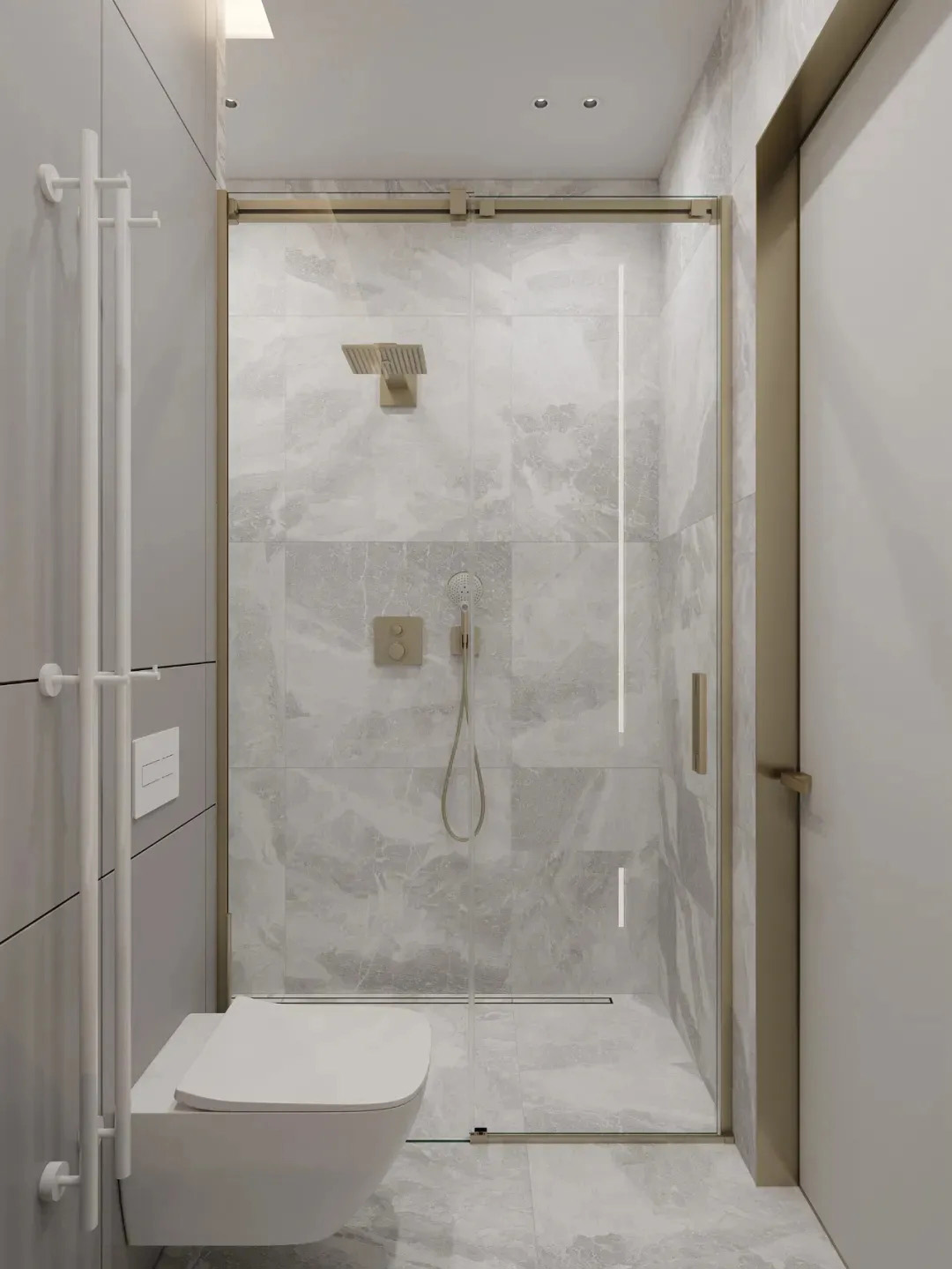
An aging-in-place bathroom doesn't have to look medical. The trick is "safety as luxury": choose a curbless walk-in shower, designer grab bars that double as towel rails, a comfort-height toilet, non-slip stone-look tile, and a warm earthy palette. The result reads like a high-end spa, not a hospital.
Key Takeaways
- You never have to choose between safe and beautiful — every accessibility upgrade in 2026 has a designer version that hides the "medical" look.
- A curbless (zero-entry) walk-in shower with a linear drain is the single highest-impact upgrade: about $6,000–$10,000 for most US baths, premium builds $12,000–$17,000.
- Designer grab bars in matte black or brushed brass — many doubling as towel rails or toilet-paper holders — replace the chrome hospital bar and pass for styling.
- Swap cool gray and all-white for a warm earthy palette (oatmeal, taupe, sage, terracotta) to instantly shed the clinical feel; pair it with high-LRV, layered lighting.
- Comfort-height toilets (17–19 inches) and stone-look non-slip tile are low-cost, near-invisible upgrades that boost both safety and resale appeal.
- A full accessible bathroom remodel runs roughly $8,000–$25,000 in 2026 — visualize the design with Feel Design Explore before committing budget.
Safety as Luxury: Why Accessible Bathrooms Finally Look Good
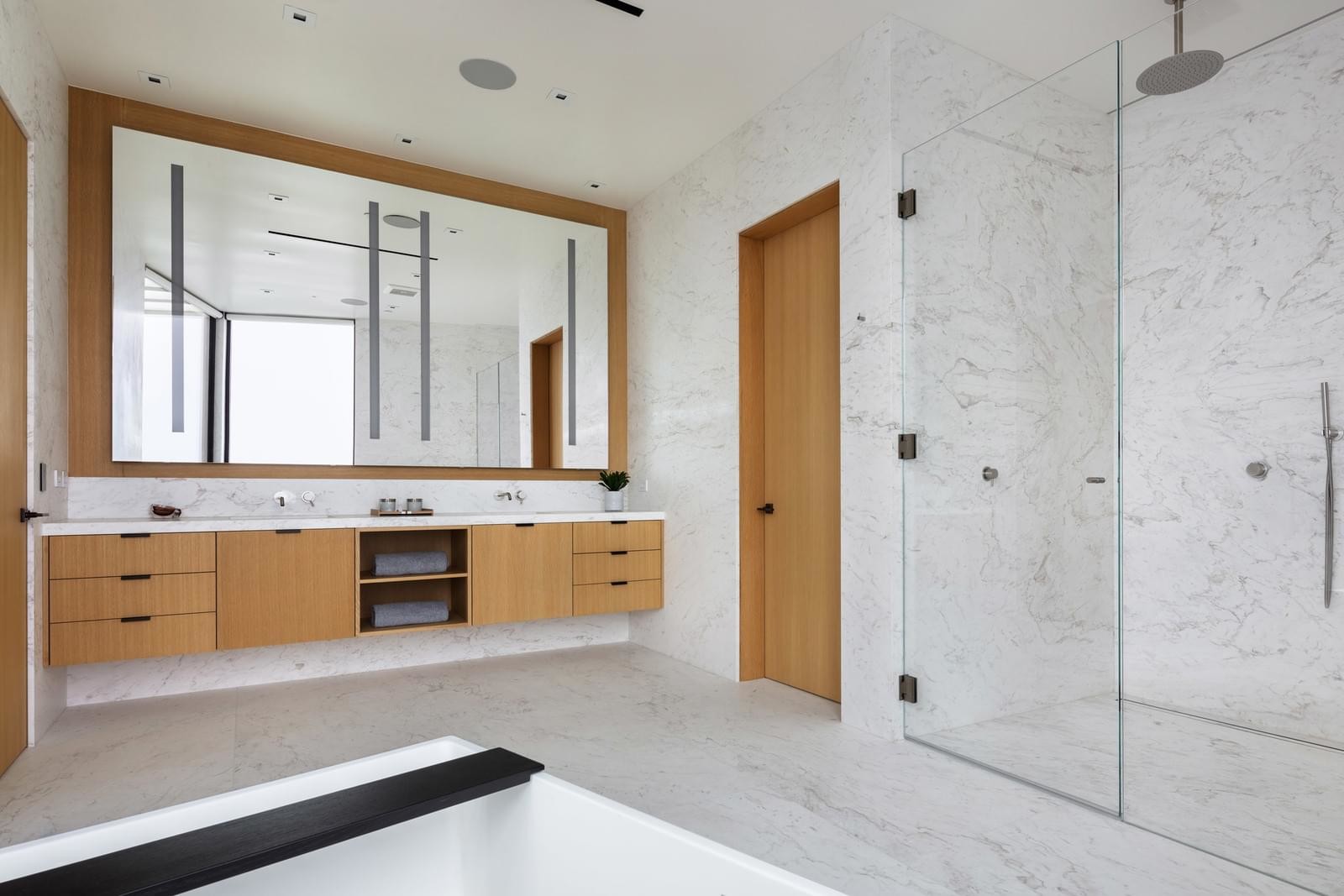
Yes — an aging-in-place bathroom can look like a spa, not a hospital. The shift driving 2026 is what designers call "safety as luxury": accessibility built so seamlessly into the design that the safety features simply disappear. The chrome grab bar, the plastic shower seat, the cold institutional tile — none of that is required anymore.
Language matters too. The clinical, slightly grim vocabulary of "elderly," "handicap," and "institutional" has been replaced by warmer framing:
- Aging in place — staying in the home you love, on your own terms.
- Universal design — spaces that work beautifully for every age and ability.
- Future-proofing — building once, so you never have to retrofit in a hurry.
This guide follows one simple rule: every upgrade below pairs a mobility benefit with a style win. Nothing here forces you to sacrifice looks for safety. And because universal-design features appeal to buyers of every age, they tend to add resale value rather than subtract it. The appetite is real, too — in NAHB's remodeler research, a strong majority of contractors report rising demand for aging-in-place features, and most adults over 50 say they want to stay in their current home as they grow older.
How to Design a Curbless Walk-In Shower for Aging in Place
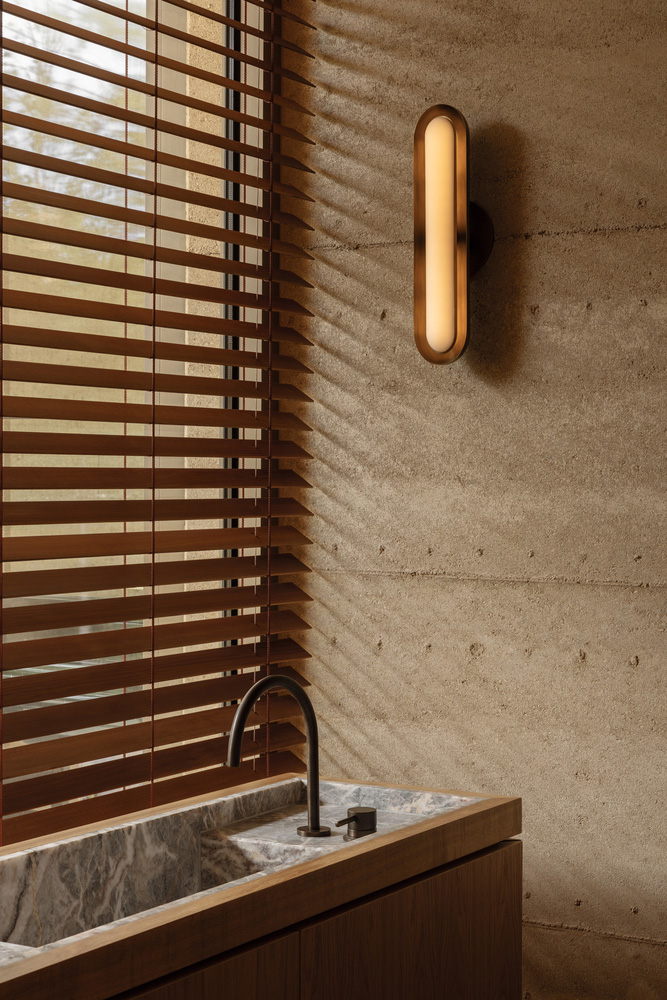
The curbless (zero-entry) shower is the single highest-impact upgrade — and, done right, the most spa-like. Here's how to plan one:
- Step 1 — Confirm clearances, go zero-entry. Plan a barrier-free threshold and at least a 32-inch entry; aim for a 60-inch turning area where space allows so the shower works for a walker or wheelchair later.
- Step 2 — Use a linear drain + sloped seamless tile. The floor stays flush, water stays in, and the look stays gallery-clean — no curb, no shower-pan lip.
- Step 3 — Add a fold-down bench at 17–18 inches. Teak or stone reads like a spa seat while functioning as safe, comfortable seating.
- Step 4 — Mount a handheld showerhead on a slide bar. It adjusts from seated to standing height without looking clinical.
- Step 5 — Specify large-format, non-slip, stone-look tile. Keep glass frameless or skip it entirely so the wet room stays open and step-free.
- Step 6 — Budget it. Most US curbless conversions run $6,000–$10,000 (premium $12,000–$17,000). Relocating plumbing usually needs a permit, so check local code first.
The payoff: a shower you step into rather than climb into, with nothing about it that signals "accessibility." It simply looks like a beautifully resolved wet room.
Designer Grab Bars That Pass for Styling, Not Hospital Hardware
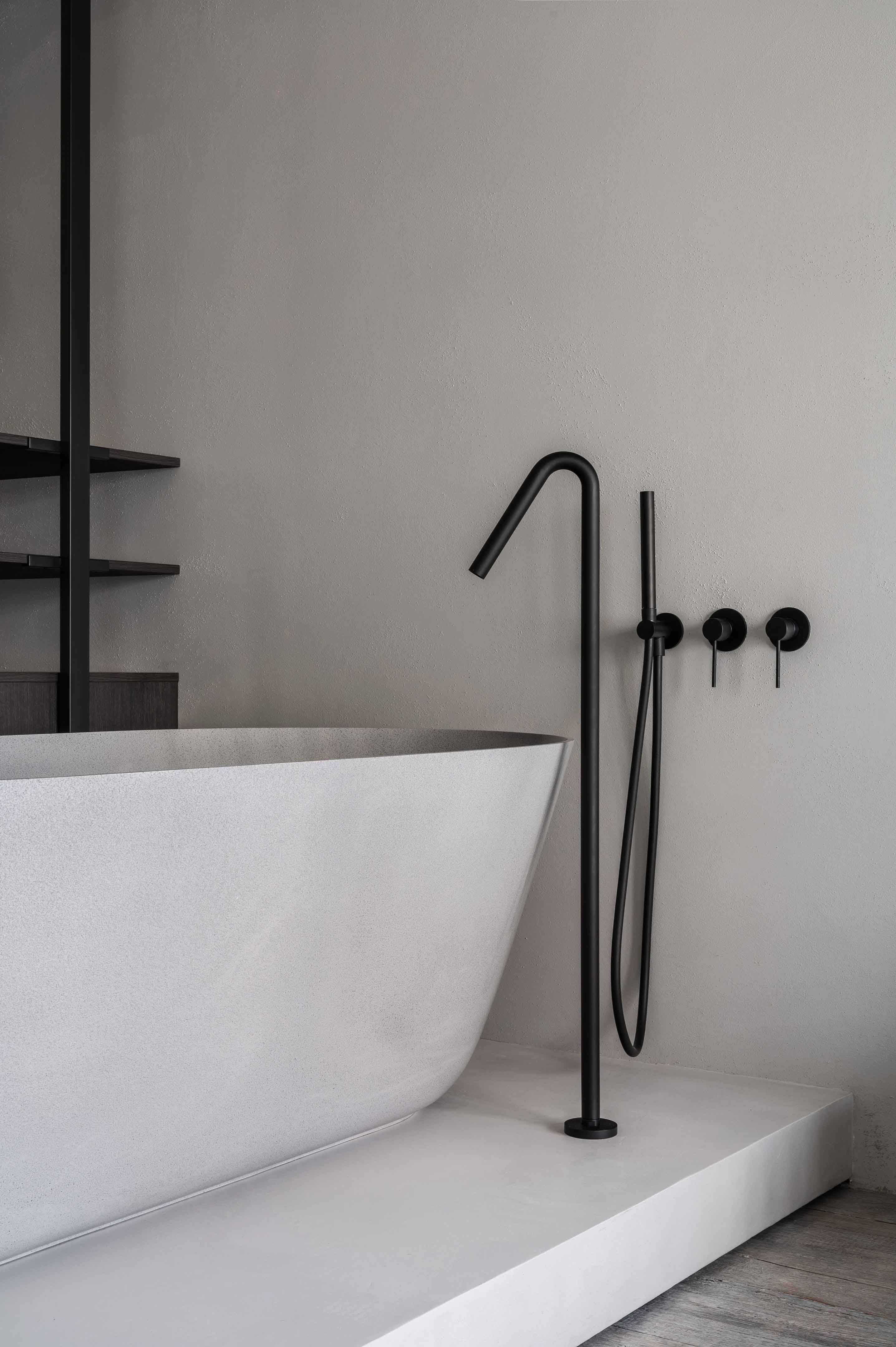
If one product captures the "safety as luxury" idea, it's the modern grab bar. Forget the shiny chrome hospital bar — today's versions come in matte black and brushed brass and read like premium towel rails, not medical hardware.
The smartest picks do two jobs at once:
- Grab bar + towel rail — looks like a heated rail, holds 250-plus pounds.
- Grab bar + toilet-paper holder — support exactly where you reach for it anyway.
- Integrated shower shelf with a load-rated grab edge — storage and stability in one.
Placement is what makes them vanish into the design: beside the toilet, inside the shower, and near the entry, with finishes coordinated to your faucets and lighting so the whole room looks intentional rather than improvised. But style is only half the story. A grab bar is only as safe as what's behind the wall — it must be anchored into solid blocking and rated for real loads, not screwed into drywall alone. Specify the blocking during the remodel, even if you install the bars later. The look is the easy part; the anchoring is what protects you.
The 2026 Warm Earthy Palette That Erases the Clinical Look
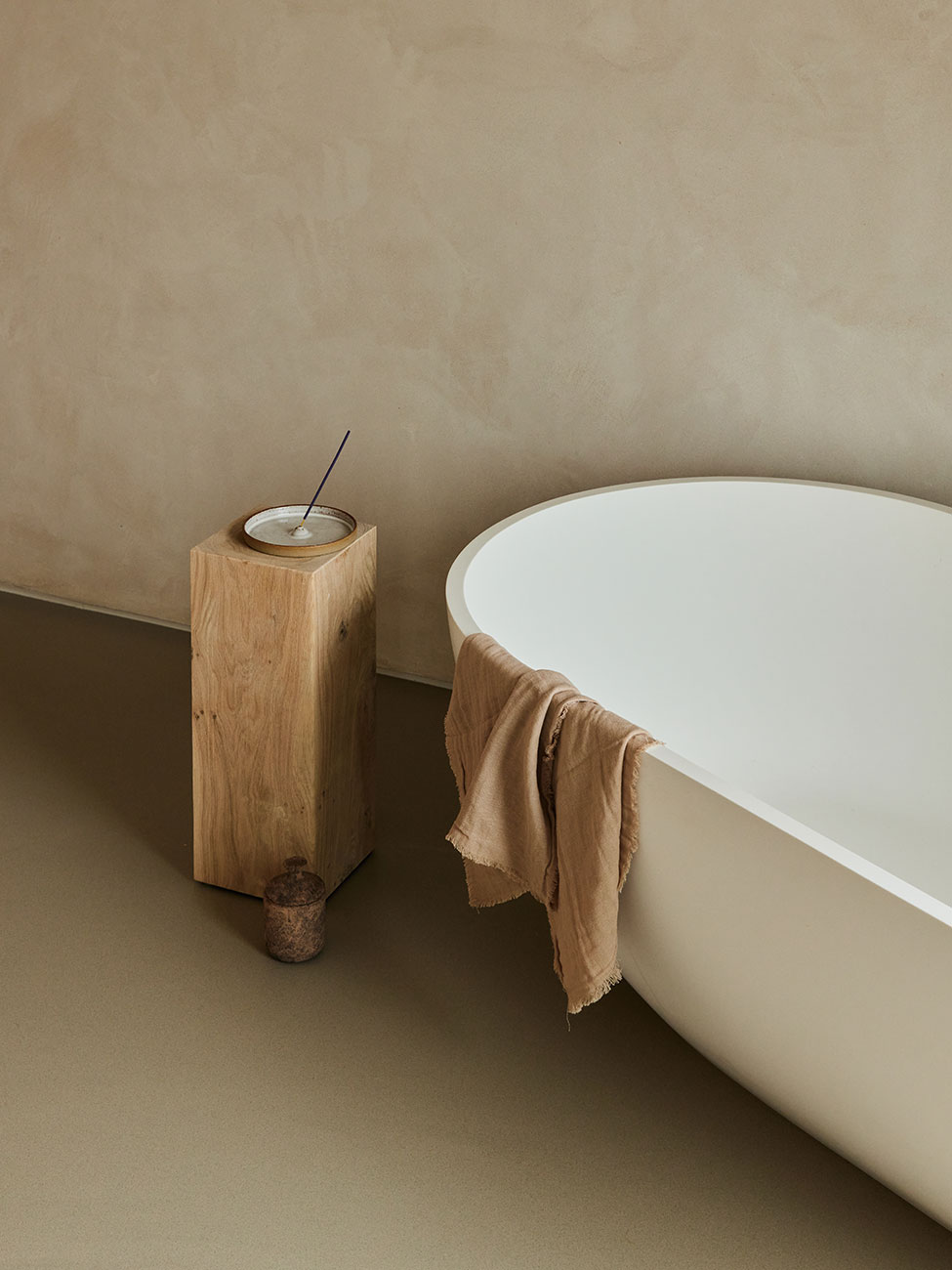
Color does more heavy lifting than any single fixture. Cool gray and all-white read "clinical"; warm earth tones read "spa." It's also the fastest, cheapest way to de-medicalize a bathroom — often just the cost of paint and tile.
The 2026 palette leans warm and grounded:
- Soft neutrals — oatmeal, taupe, mushroom, and warm greige as the base.
- Earthy accents — sage green, terracotta, and chocolate brown for depth.
- Natural materials — wood-look vanities, stone-look tile, and natural-fiber textiles.
One non-negotiable: keep it bright. Aging eyes need more light, so choose high-LRV (light-reflectance value) warm neutrals that bounce light around the room instead of absorbing it. A taupe with a high LRV stays cozy and well-lit; a dark, moody charcoal does the opposite. Pair the palette with layered lighting — vanity sconces, overhead, and a soft accent — rather than a single harsh ceiling fixture. Finally, in a wet, enclosed space, air quality counts: the EPA notes that bathrooms are prone to moisture and mold, so favor low-VOC paints and mold-resistant finishes that keep the room healthy as well as handsome.
Comfort-Height Toilets and Non-Slip Floors: The Invisible Upgrades
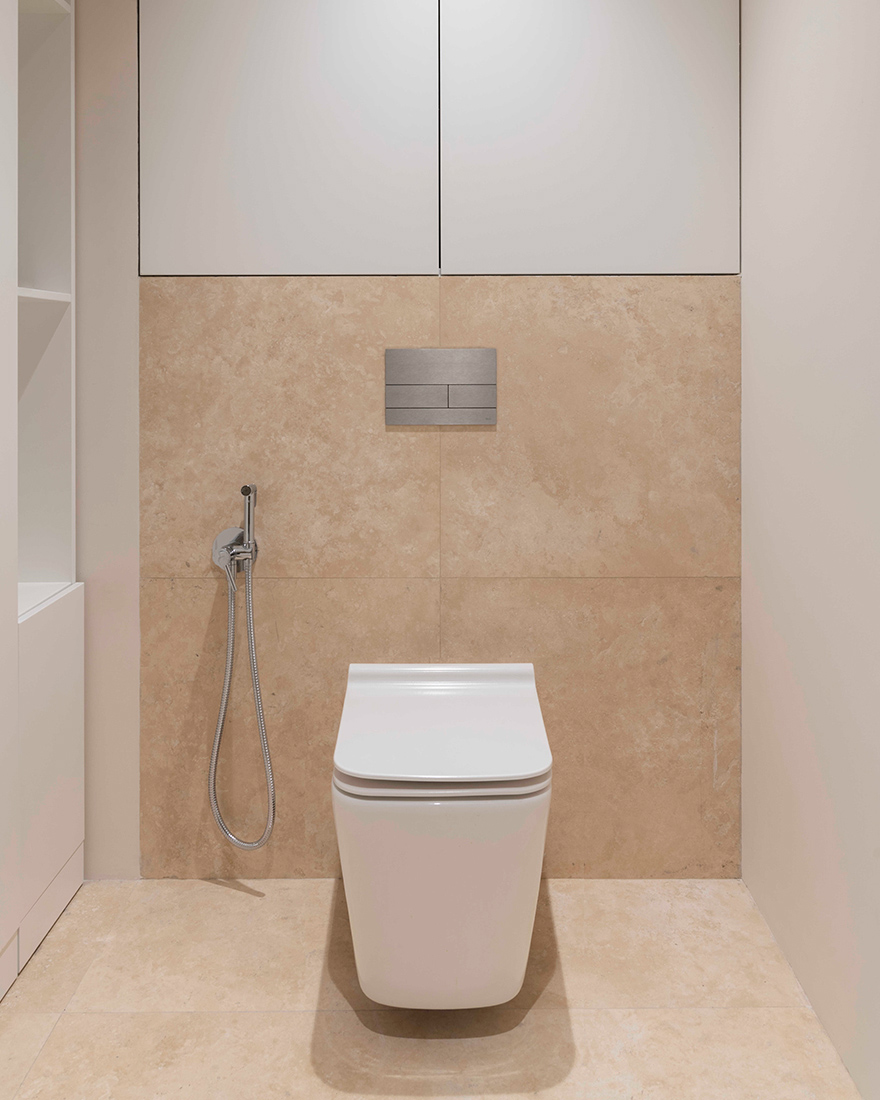
Some upgrades protect you without anyone ever noticing them. Two stand out:
- Comfort-height toilets (17–19 inches) versus the standard 15. The extra height makes sitting and standing dramatically easier on knees and hips — and it looks identical to any modern toilet. This is the accessibility upgrade nobody regrets.
- Slip-resistant flooring that still looks designer. Choose stone-look porcelain or warm wood-look luxury vinyl with a high slip-resistance (DCOF) rating instead of glossy tile that turns into an ice rink when wet.
The trick to keeping these "invisible" is in the detailing. Matte finishes, smaller-format or textured tile, and a consistent flush floor from the shower out into the room all add grip without announcing themselves. There's no rubber mat, no contrast-strip, no visual reminder that this is a "safe" bathroom — just surfaces that happen to be secure underfoot. Better yet, both swaps are inexpensive relative to their payoff, and because comfort-height fixtures and non-slip floors read as quality choices, they strengthen the home's universal-design appeal and marketability. A comfort-height toilet and non-slip flooring are the easiest accessible-bathroom wins to specify and the last ones a future buyer would ever object to.
Aging in Place Bathroom Remodel Cost in 2026 (and How to Plan It)
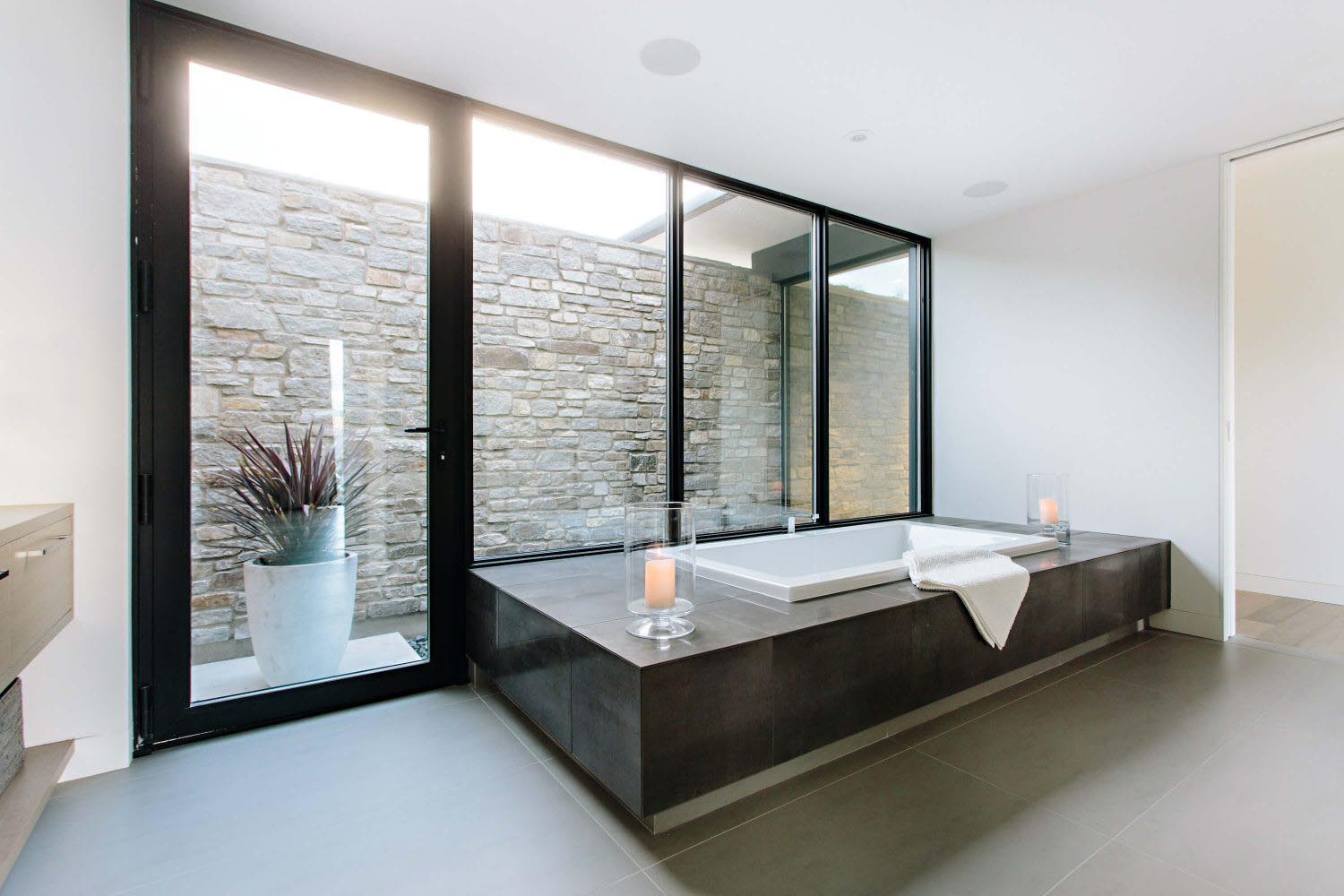
Budgets vary, but 2026 US ranges cluster predictably. Use this as a planning baseline:
| Upgrade | Typical 2026 US cost |
|---|---|
| Curbless walk-in shower | $6,000–$10,000 (premium $12,000–$17,000) |
| Full accessible bathroom remodel | $8,000–$25,000 |
| Comfort-height toilet | $150–$700 add-on |
| Designer grab bars (each) | $40–$150 plus install |
What drives the number? Plumbing relocation (and the permit that comes with it), tile selection, glass, and fixture finish. A smart rule of thumb: splurge on the curbless shower and properly anchored grab bars — the structural, safety-critical work — and save on paint and hardware, which are easy to upgrade later.
Sequence matters too. Do the wet, structural work first — curbless floor, in-wall blocking, and drain — even if you phase finishes over time, so you never have to re-open walls. And before you commit an $8K–$25K budget, see it first: upload a photo of your bathroom to Feel Design Explore or browse real project examples in Explore to preview a safe-but-stylish design and avoid costly mid-remodel changes.
Frequently Asked Questions
Can an aging-in-place bathroom really not look medical?
Yes. The 2026 "safety as luxury" approach swaps hospital hardware for designer equivalents: curbless spa-style showers, matte-black or brass grab bars that double as towel rails, comfort-height toilets, and warm earthy colors. Done well, it reads like a high-end spa, and the safety features simply disappear into the design.
How much does a curbless walk-in shower cost in 2026?
For most US bathrooms, a curbless (zero-entry) walk-in shower runs about $6,000 to $10,000, with premium builds reaching $12,000 to $17,000. Cost depends on plumbing relocation, tile, and glass. A full accessible bathroom remodel typically ranges from $8,000 to $25,000 depending on size and finish level.
What makes grab bars look designer instead of institutional?
Finish and dual purpose. Choose matte black or brushed brass instead of chrome, and pick 2-in-1 designs that act as towel rails, toilet-paper holders, or shower shelves. Coordinate the finish with your faucets and lighting. Properly anchored into wall blocking, they stay just as safe while reading as intentional styling.
Which bathroom colors feel least clinical for aging in place?
Warm, earthy neutrals. Oatmeal, taupe, sage, and terracotta replace the cool gray and all-white that read "clinical." Choose high-LRV (light-reflectance) shades so the room stays bright for aging eyes, and add wood-look and natural-fiber textures to bring spa-like warmth and depth.
Is a comfort-height toilet worth it for aging in place?
For most people, yes. Comfort-height toilets sit at 17 to 19 inches versus the standard 15, making it noticeably easier to sit and stand with less strain on knees and hips. They look identical to any modern toilet, cost only slightly more, and add universal-design appeal that supports resale value.
Conclusion
You really don't have to choose between safe and beautiful. Every upgrade here — the curbless wet room, the designer grab bars, the comfort-height toilet, the warm earthy palette — protects your independence while looking like a spa you'd actually want to relax in. Before you commit an $8K–$25K budget, see it first: upload a photo of your bathroom or browse real project examples in Feel Design Explore and visualize your safe-but-stylish aging-in-place bathroom before a single tile is set.
References
- National Association of Home Builders (NAHB) (2026). Certified Aging-in-Place Specialist (CAPS) program and aging-in-place remodeling guidance.
- U.S. Environmental Protection Agency (EPA) (2026). Indoor Air Quality — moisture, mold, and low-VOC finish guidance for wet areas.
- Houzz (2026). Industry reports and bathroom remodel design and cost trends.