
Best Materials for Modern Organic Interior Design in 2026
Quick Answer
The best materials for modern organic interior design are white oak or walnut wood, natural stone (quartzite or honed marble), mineral-based wall finishes like limewash, and tactile textiles such as linen and wool. In most US homes, this mix delivers warmth, durability, and a timeless look without feeling overly rustic or high-maintenance.
Key Takeaways
- Choose one anchor wood tone (often white oak or walnut) and repeat it across rooms for visual cohesion.
- Use natural stone where hands and water hit most: kitchen counters, vanity tops, and backsplashes.
- Pick mineral-based paints or plasters for soft depth; reserve flat paint for low-touch walls.
- Prioritize performance linen, wool blends, and easy-clean upholstery in family and pet homes.
- Balance texture with restraint: 3-4 core materials per room is usually enough.
- Use Feel Design’s /explore workflow to match reference images to real material combinations.
What Modern Organic Materials Actually Mean
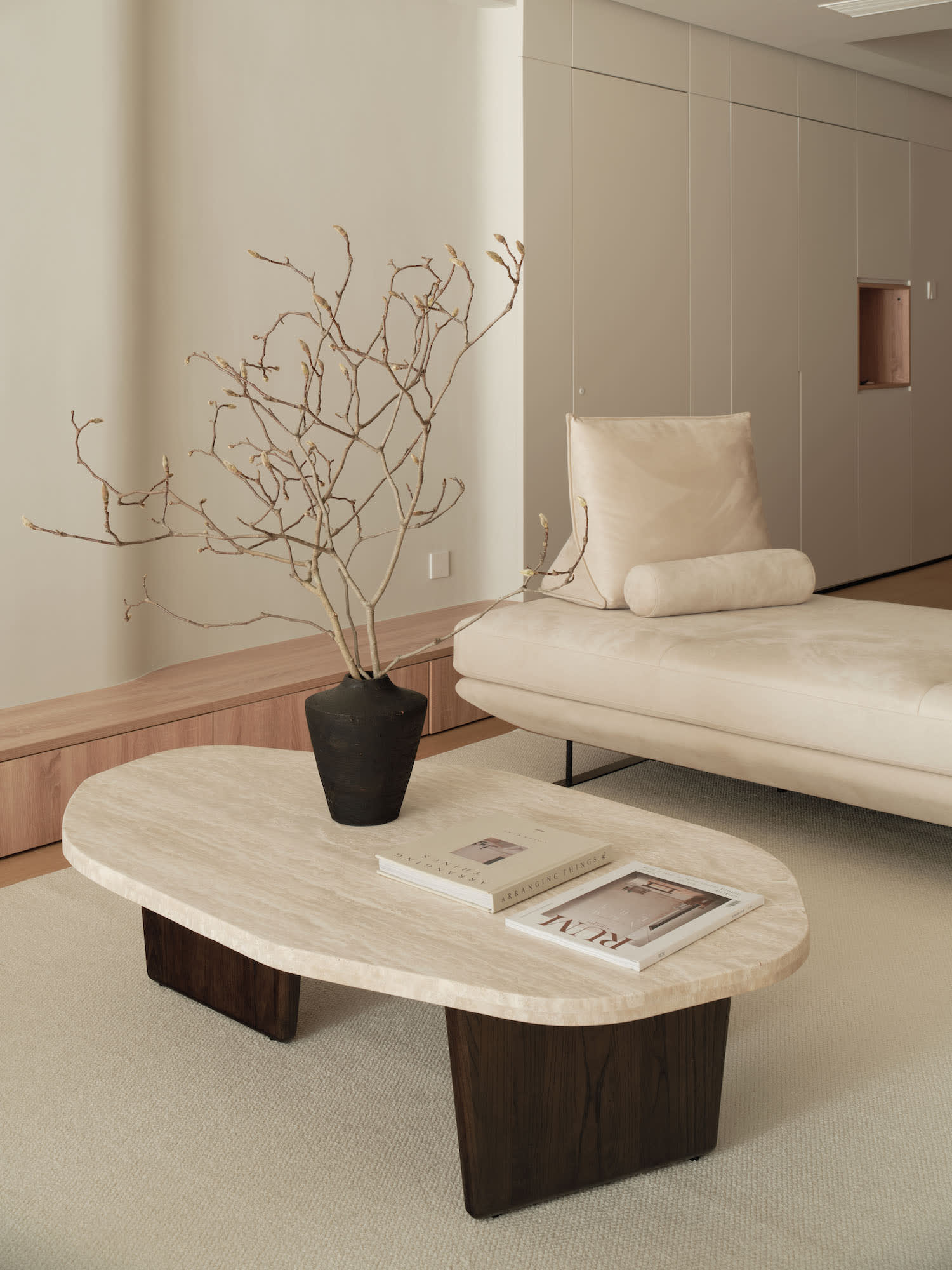
Modern organic interiors combine clean, contemporary lines with materials that feel grounded and natural. The style is less about a specific color and more about how surfaces interact: matte wood against soft textiles, subtle stone next to hand-finished walls, and light that reveals texture rather than gloss. If your home feels too stark, modern organic materials add warmth; if it feels busy, they simplify without making it cold.
In US homes, the most reliable foundation includes engineered or solid hardwood in light-to-medium tones, durable natural or natural-look stone, and low-sheen wall finishes. This palette works across condos, townhouses, suburban homes, and open-plan remodels because it scales well. In smaller apartments, you can keep the same language by using fewer material transitions and consistent undertones.
The biggest mistake people make is choosing “natural” materials without checking durability and maintenance. A beautiful but porous surface can fail quickly in busy kitchens or homes with kids and pets. The better approach is to match each material to how you actually live, then layer in design details. If you are unsure where to start, upload your room photo in Feel Design /explore and compare similar spaces that use proven modern organic combinations.
How to Choose Materials Room by Room (Step-by-Step)
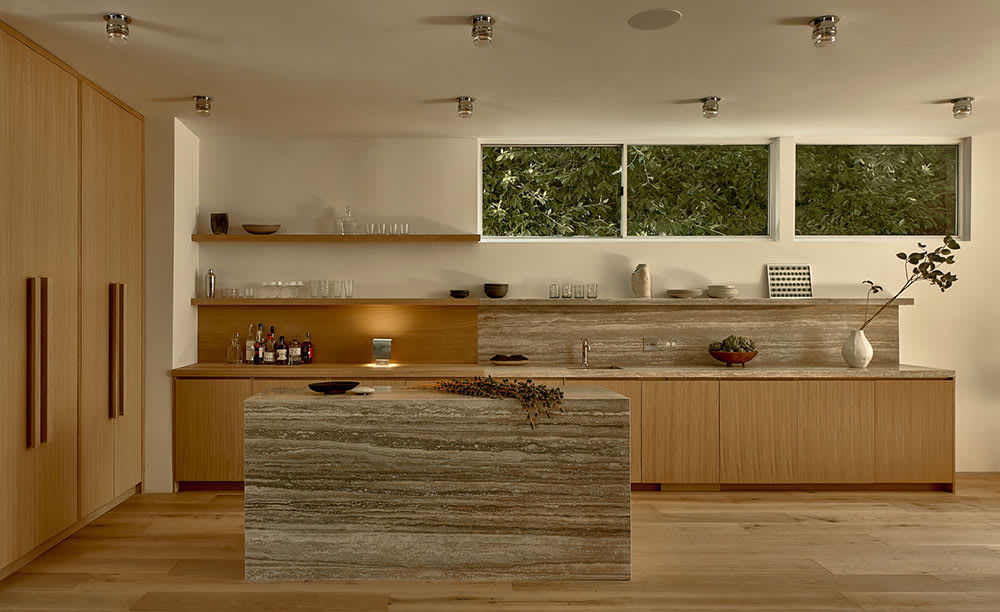
A modern organic look succeeds when every room follows the same decision framework. Instead of shopping by trend, use function first, then style. This reduces redesign costs and keeps your interior coherent from entryway to bedroom.
Step 1: Start with your highest-use surfaces
In most US homes, that means flooring, kitchen counters, and upholstery. These surfaces should be durable, cleanable, and visually neutral enough to support future changes in decor.
Step 2: Pick a wood strategy
Choose one main wood family (white oak, walnut, ash). Repeat that tone in at least two places, such as floors and furniture or cabinetry and trim. This creates quiet continuity.
Step 3: Select one stone category by budget
- Premium: quartzite or quality marble (higher character, higher maintenance).
- Mid-range: engineered quartz with organic veining.
- Value: porcelain slabs with matte stone visuals.
Step 4: Add wall texture intentionally
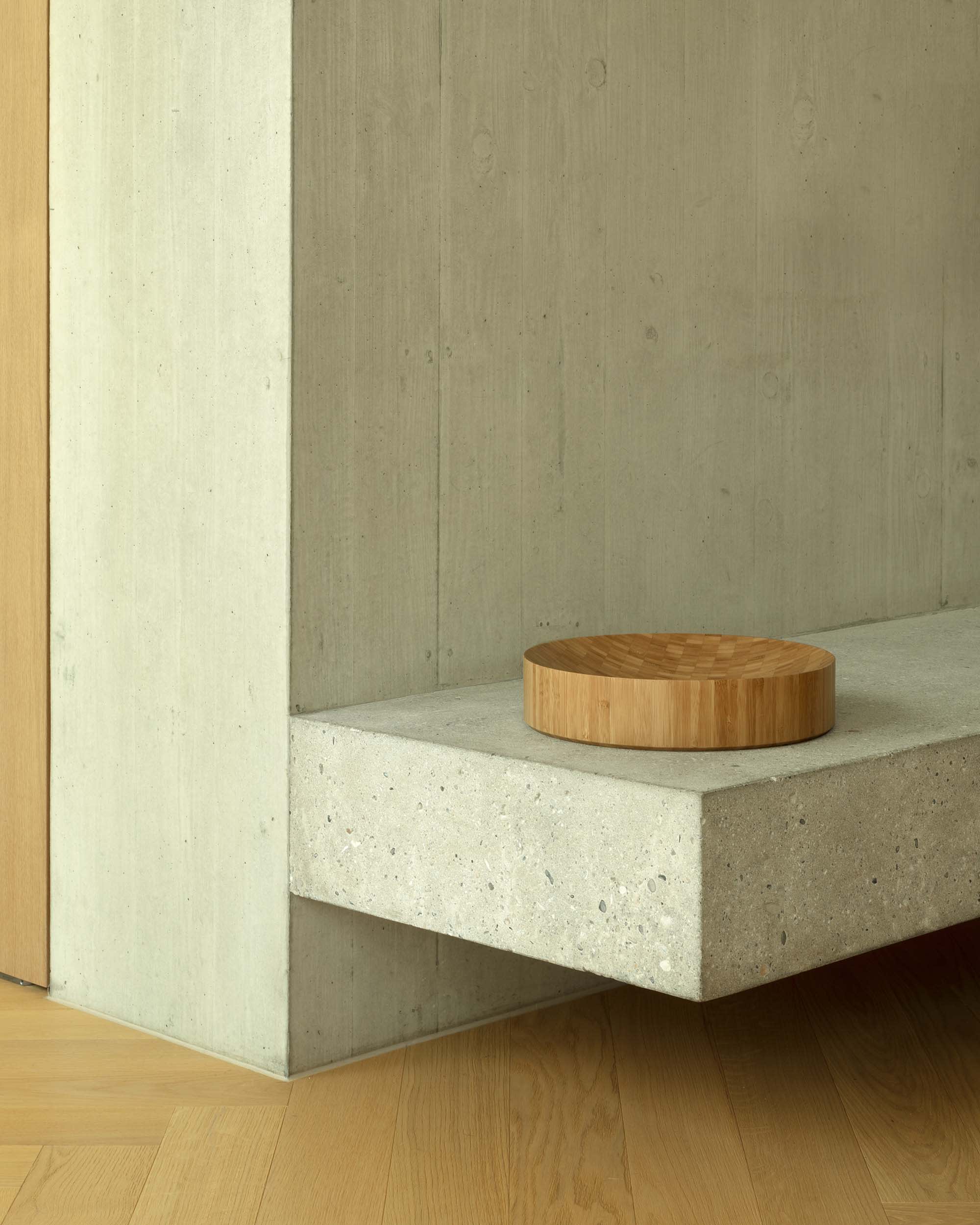
Consider limewash, clay paint, or microcement in focal areas. Keep surrounding walls simpler to avoid visual noise.
Step 5: Finish with tactile textiles
Use linen, wool, bouclé, cotton-linen blends, and natural-fiber rugs. For homes with children or pets, choose performance versions with stain resistance.
Typical US project ranges (materials only)
- Living room refresh: $1,500-$6,000
- Kitchen material upgrade: $4,500-$18,000
- Whole-home palette alignment: $8,000-$35,000
To shorten decision time, use Feel Design /explore to visually filter by room type and material mood, then build your shortlist before requesting contractor quotes.
Best Practices: Performance, Maintenance, and Longevity
Modern organic interiors age well when your materials are selected for real-world wear, not just showroom appeal. The best practice is to evaluate each option on four factors: moisture tolerance, scratch resistance, UV stability, and cleaning effort. This is especially important in US regions with humidity swings, dry winters, or strong sun exposure.
| Material | Best Use | Main Risk | Practical Fix |
|---|---|---|---|
| White oak / walnut | Floors, cabinetry, shelving | Scratches and sun fading | Use matte finish + rugs + UV window treatment |
| Honed stone | Counters, fireplace surrounds | Etching/staining | Seal regularly; use cutting boards and trays |
| Limewash / clay paint | Accent walls, low-touch zones | Spot-repair challenges | Reserve for focal areas and keep touch-up batch |
| Linen / wool blends | Sofas, drapery, bedding | Wrinkling or pilling | Choose performance blends in high-use areas |
Another best practice is managing contrast. If every surface has strong texture, the room can feel cluttered. Instead, pair one statement material (like dramatic stone) with quieter companions (plain-weave textiles, low-grain wood). Keep hardware simple and low-sheen to let natural surfaces lead. This balance creates the calm, refined mood associated with modern organic homes.
Real-World Scenarios: What Works in Different US Homes
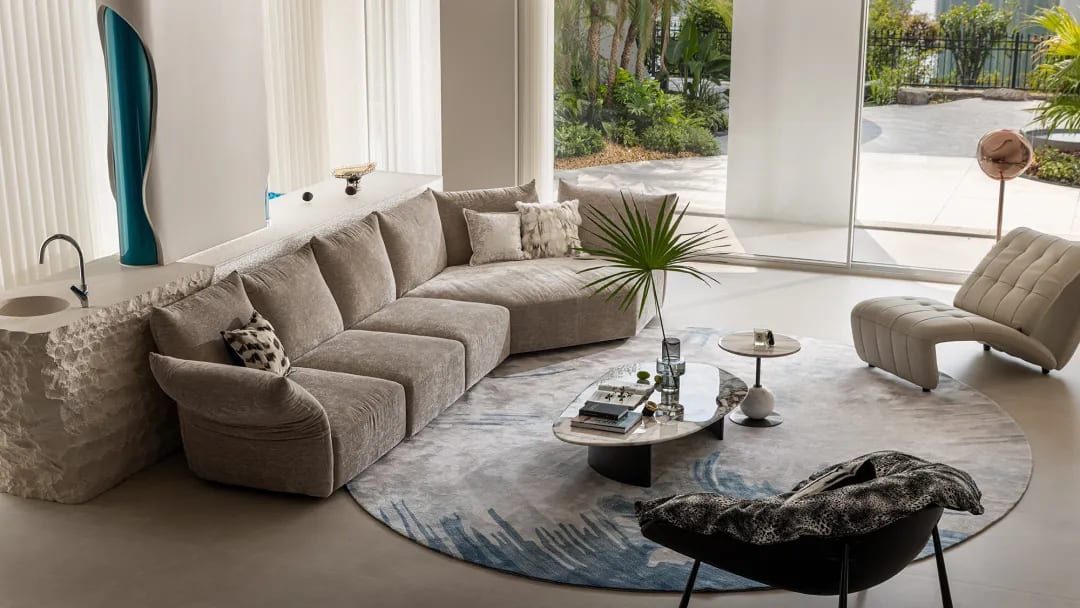
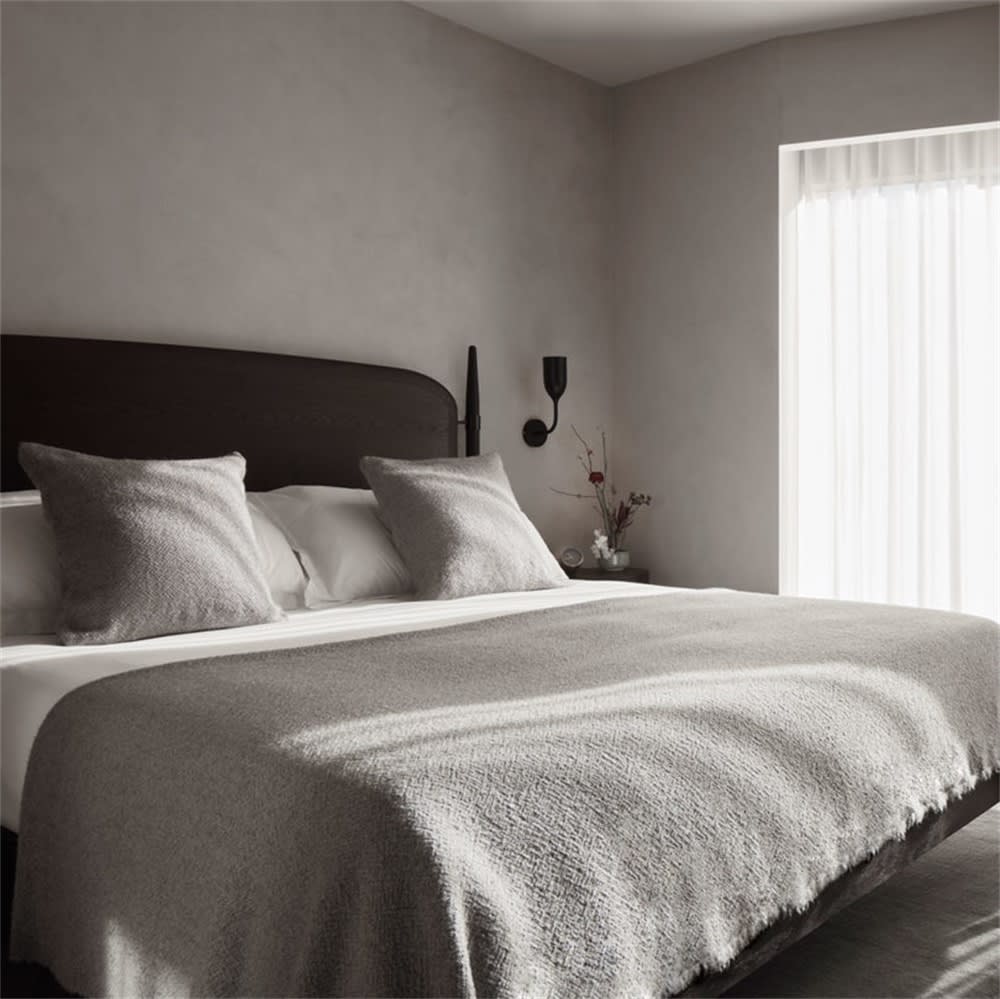
Scenario 1: Small apartment (under 900 sq ft). Use one wood tone, one stone-look surface, and two textile types max. Too many material changes shrink the space visually. A compact plan might use white oak laminate, quartz with soft veining, and linen drapery. This keeps the apartment light, cohesive, and renter-friendly.
Scenario 2: Family home with pets and kids. Focus on durability first: engineered hardwood, performance upholstery, washable rugs, and matte quartz surfaces. You still get the modern organic look by introducing texture through throw pillows, natural baskets, and subtle limewash in low-contact zones.
Scenario 3: Rental property refresh. Since permanent changes may be limited, prioritize reversible upgrades: neutral Roman shades, textured bedding, wool-blend throws, peel-and-stick backsplash with stone texture, and warm lighting. Then use Feel Design /explore to match decor pieces to a target visual style before purchasing.
Across all three scenarios, consistency wins. Repeating undertones and avoiding high-gloss finishes creates that calm, collected atmosphere people associate with high-end modern organic interiors.
Expert Insights and 2026 Material Trends
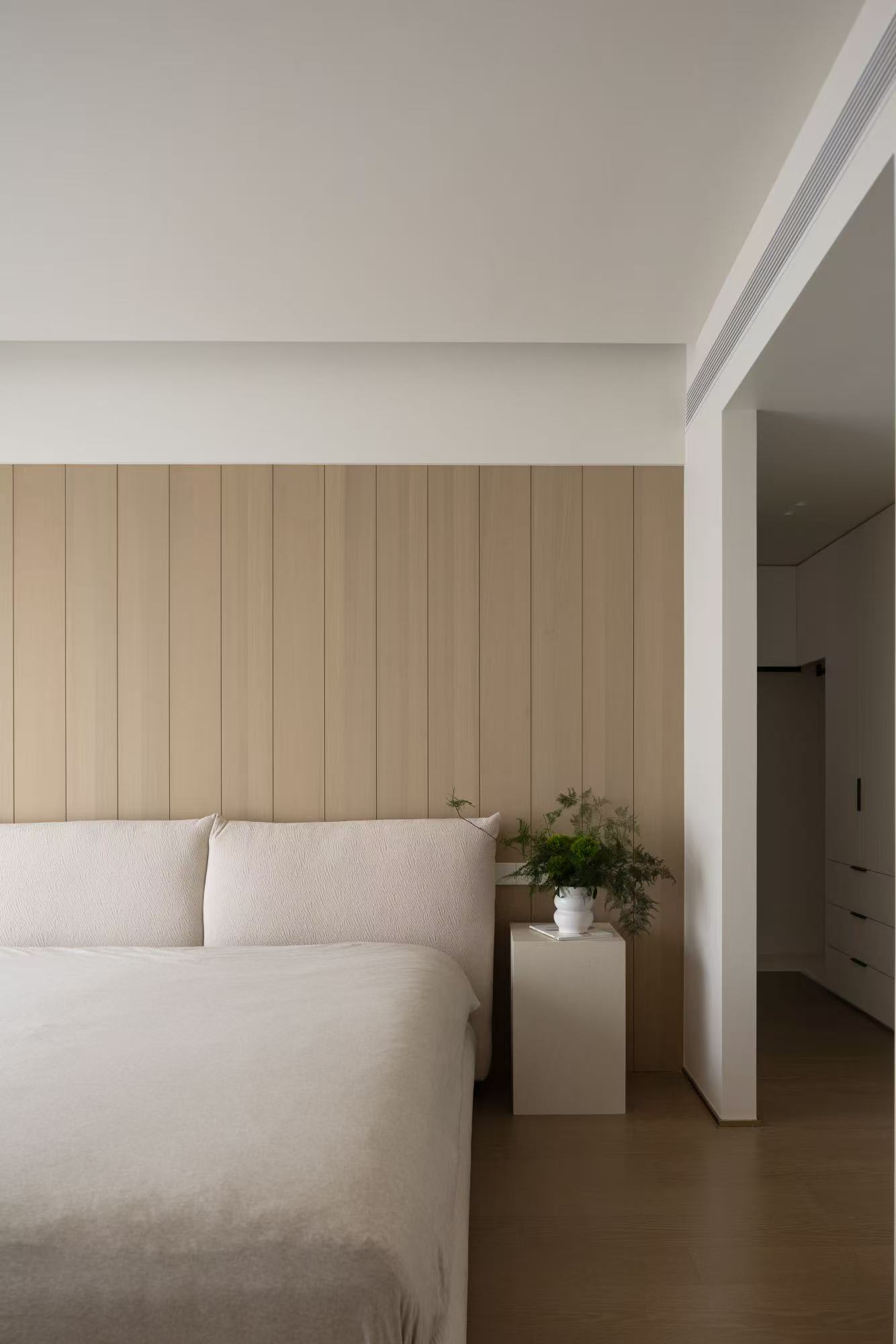
In 2026, the modern organic movement in the US is shifting from purely aesthetic choices to wellness- and longevity-driven decisions. Designers are increasingly combining natural textures with lower-emission finishes, better indoor air quality considerations, and materials that age gracefully instead of requiring frequent replacement.
Three trends stand out. First, low-VOC and mineral-based coatings are becoming default choices in bedrooms and family spaces. Second, clients are asking for “quiet contrast”: tonal palettes with subtle texture shifts instead of dramatic color jumps. Third, there is stronger interest in mixed sourcing, where premium materials are used strategically on focal surfaces while durable alternatives are used elsewhere to control budget.
For homeowners, this means you do not need every finish to be luxury-grade. You need a smart hierarchy: spend where touch and visibility are highest, save where function matters more than prestige, and maintain visual continuity through tone and texture. If you want to quickly validate trend-aligned combinations for your exact room type, start with Feel Design /explore and compare reference interiors by mood, materials, and layout.
FAQ
Are modern organic materials expensive?
They can be, but they do not have to be. Use premium materials on focal areas (like counters), and choose durable mid-range alternatives for secondary surfaces to keep costs manageable.
What is the most durable modern organic countertop?
Quartzite is one of the most durable natural options. High-quality engineered quartz is also practical for busy homes and can still match a modern organic aesthetic.
Can I get this look in a rental apartment?
Yes. Focus on non-permanent upgrades such as textiles, lighting, rugs, and decor layering. Keep the palette warm and neutral for a cohesive modern organic effect.
How do I keep modern organic interiors from looking flat?
Layer materials with different textures: wood grain, stone movement, soft woven fabrics, and matte walls. Keep colors close, but vary texture depth.
Conclusion
The best materials for modern organic interior design are the ones that balance natural beauty with everyday performance. Build your palette around warm wood, practical stone, tactile textiles, and low-sheen finishes, then adapt each choice to your room, budget, and lifestyle. Ready to map your own space? Upload a photo and explore matching interiors in Feel Design /explore.
References
- American Society of Interior Designers (ASID) - Research and industry guidance for residential interiors.
- U.S. Environmental Protection Agency (EPA) - Indoor Air Quality - Best practices on healthier indoor environments and material emissions.
- National Association of Home Builders (NAHB) - US residential building guidance and market insights.