Closet Office Ideas for Small Spaces (Cloffice 2026)
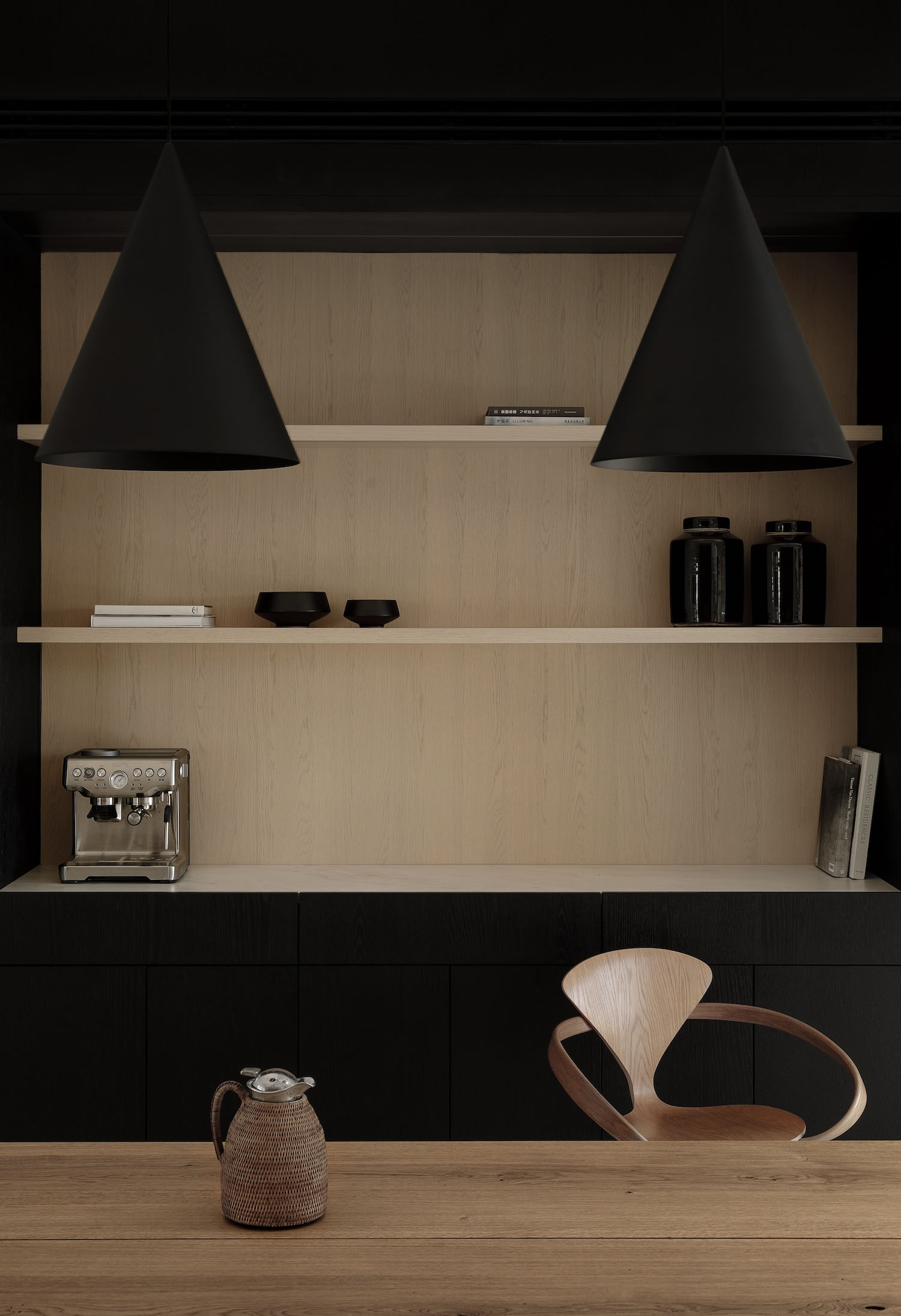
A cloffice turns an unused reach-in closet — typically 36–48 inches wide — into a compact home office you can shut behind the doors at 5pm. Add a floating desk, an in-closet outlet, dedicated task lighting, and no-drill shelving to create a renter-safe workspace without sacrificing a whole room.
Key Takeaways
- A "cloffice" fits a standard 36–48 in reach-in closet, so you never have to give up a spare bedroom.
- A floating desk 16–24 in deep clears your knees while leaving room to pull a chair fully in.
- Two non-negotiables make it usable: an in-closet outlet (or a safe surge strip) and dedicated task lighting.
- Renters can build it damage-free — peel-and-stick wallpaper, a tension-rod curtain instead of doors, and adhesive or tension-mounted shelving.
- Lean into the fall-2026 mood: an oxblood or forest-green back wall, a warm walnut desktop, and a linen-shade lamp.
- The same closet converts into a back-to-school homework station for kids with a lower desk and open supply shelving.
- Preview paint, shelving, and desk styling in Feel Design Explore before you drill a single hole.
What Is a Cloffice? The Small-Space Home Office Fix
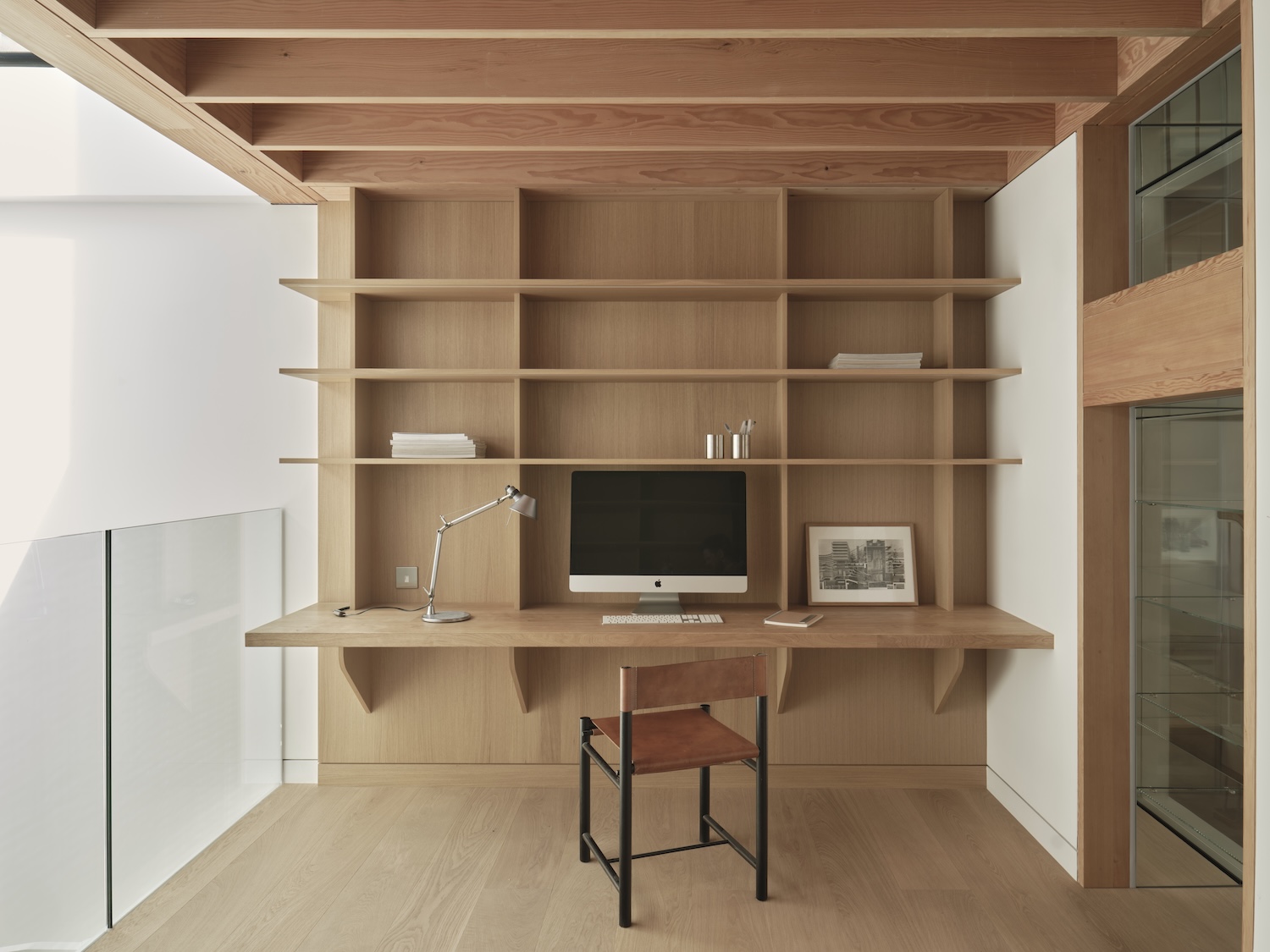
A cloffice — the mash-up of "closet" and "office" — is exactly what it sounds like: a reach-in closet converted into a compact, working home office you can close off at day's end. Once a pandemic-era workaround, it's now one of 2026's defining small-space design moves, with interior professionals treating the home workspace as a room worth designing. The American Society of Interior Designers has flagged the home office as one of the most re-prioritized spaces of the hybrid-work era, and platforms like Houzz report sustained homeowner interest in carving dedicated work zones out of unused square footage.
Who is a cloffice for?
- Renters and condo or studio dwellers with no spare bedroom to give up
- Hybrid and remote workers who want a real "shut the doors at 5pm" boundary
- Anyone whose dining table has quietly become a permanent desk
The standard reach-in closet is what makes this work. At roughly 24 inches deep and 36–48 inches wide, it already gives you a defined nook, a feature back wall, and built-in enclosure. This guide walks through the real conversion — not a furniture roundup.
How to Turn a Closet Into a Home Office (Step by Step)
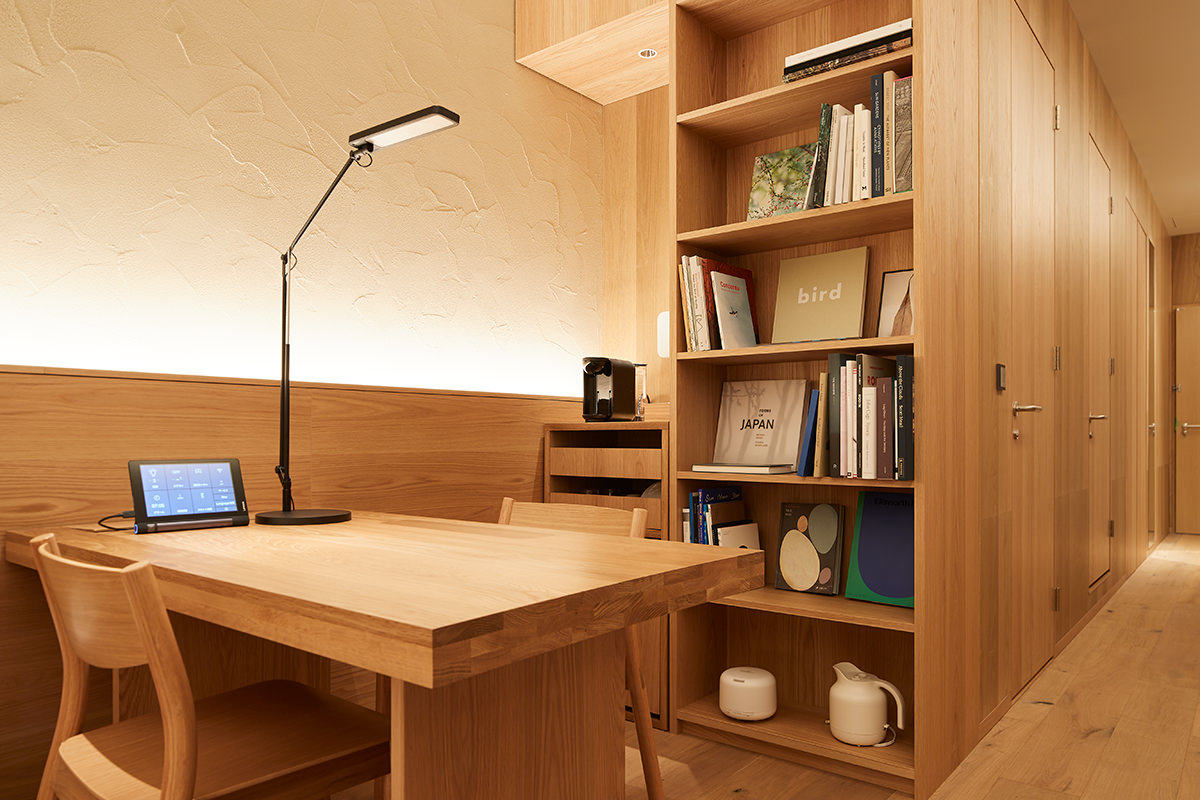
Work through these steps in order — power and lighting make or break whether the finished nook is genuinely usable.
- Empty and measure. Clear the closet, then record width, depth, and height. A typical reach-in runs 36–48 inches wide and about 24 inches deep — those numbers drive every choice that follows.
- Plan the floating-desk depth. Mount a desktop 16–24 inches deep so your knees clear the wall and a chair still pulls fully in. Around 18–20 inches is the sweet spot for a laptop plus a monitor.
- Solve power first. Use an existing in-closet outlet, or run a surge-protected strip to the nearest wall outlet. Never overload a single circuit; hardwiring a new outlet calls for a licensed electrician (and possibly landlord or HOA sign-off).
- Add task lighting. Layer a plug-in desk lamp with under-shelf LED strips in a warm 2700–3000K tone. Never rely on one dim overhead bulb in an enclosed space.
- Manage cables. Adhesive clips, a mounted power strip, and a grommet behind the desktop keep cords invisible.
- Add shelving. Float one or two shelves 14–16 inches above the desktop for storage that keeps the desk surface clear.
Budget roughly $150–$400 total, depending on whether you paint, paper, or add new shelving.
Choosing a Compact Desk and Built-In Shelving
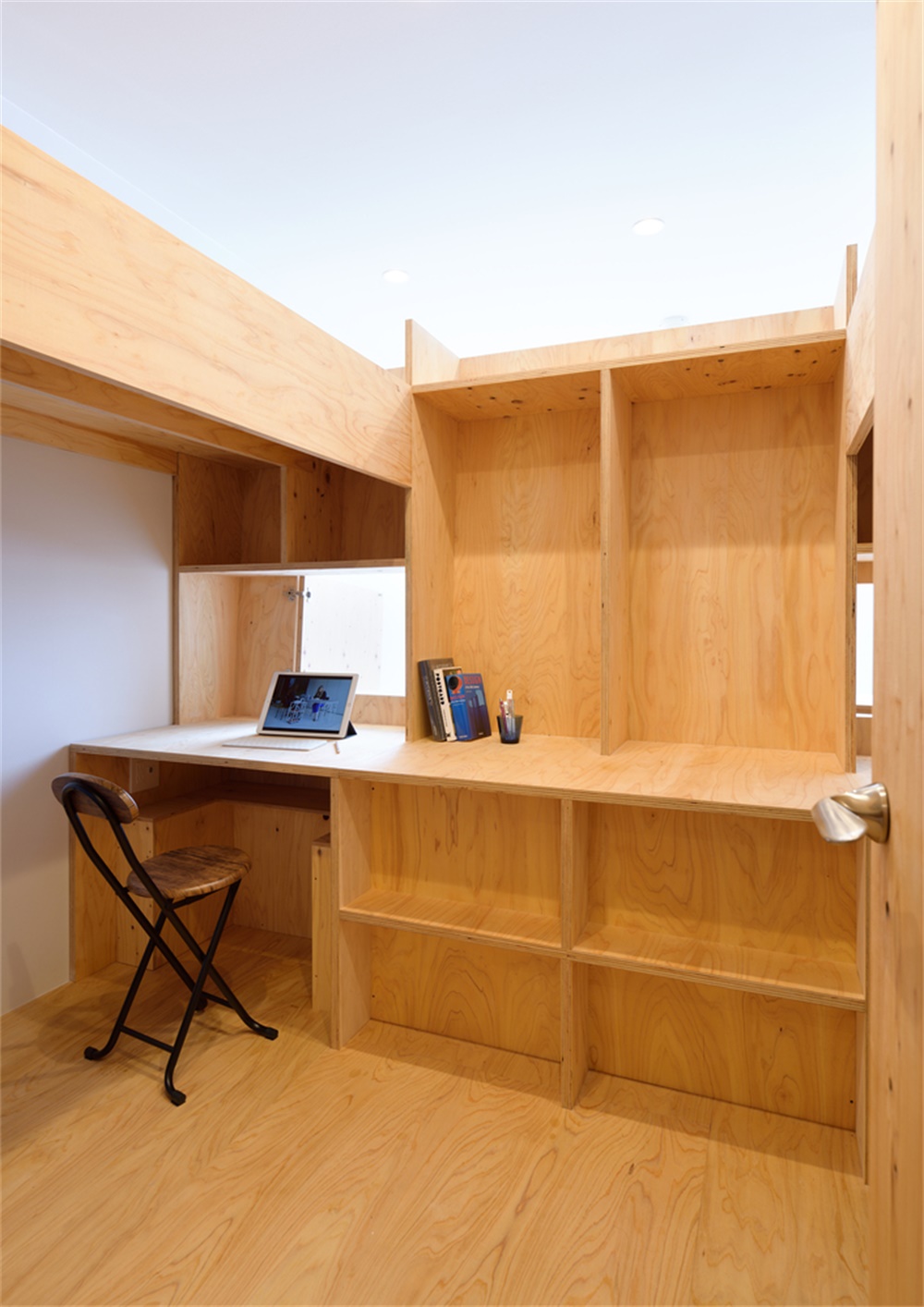
The desk is the heart of the build, and you have three realistic formats for a 36–48 inch opening. A floating (wall-mounted) desk maximizes legroom and delivers that seamless built-in look; a freestanding desk is the fully renter-safe pick; a corner desk suits wider reach-ins or walk-ins.
| Desk type | Ideal depth | Drill required? | Best for |
|---|---|---|---|
| Floating (wall-mounted) | 16–20 in | Yes (cleat or brackets) | Max legroom, built-in look |
| Freestanding | 18–24 in | No | Renters, fast setup |
| Corner | 20+ in per side | Sometimes | Wider or walk-in closets |
For the desktop itself, aim for 18–20 inches deep and run it the full width of the closet so you get elbow room on both sides. You don't need a custom carpentry budget to fake a built-in: a solid wood shelf board on sturdy brackets makes a convincing desktop, and stacking two or three open shelves above it reads as one cohesive unit. Choose warm walnut or espresso tones to keep the nook from feeling clinical. A small closet desk with built-in shelving can be approximated entirely with off-the-shelf bracket systems — no cabinetmaker required.
Renter-Safe, No-Drill Cloffice Ideas
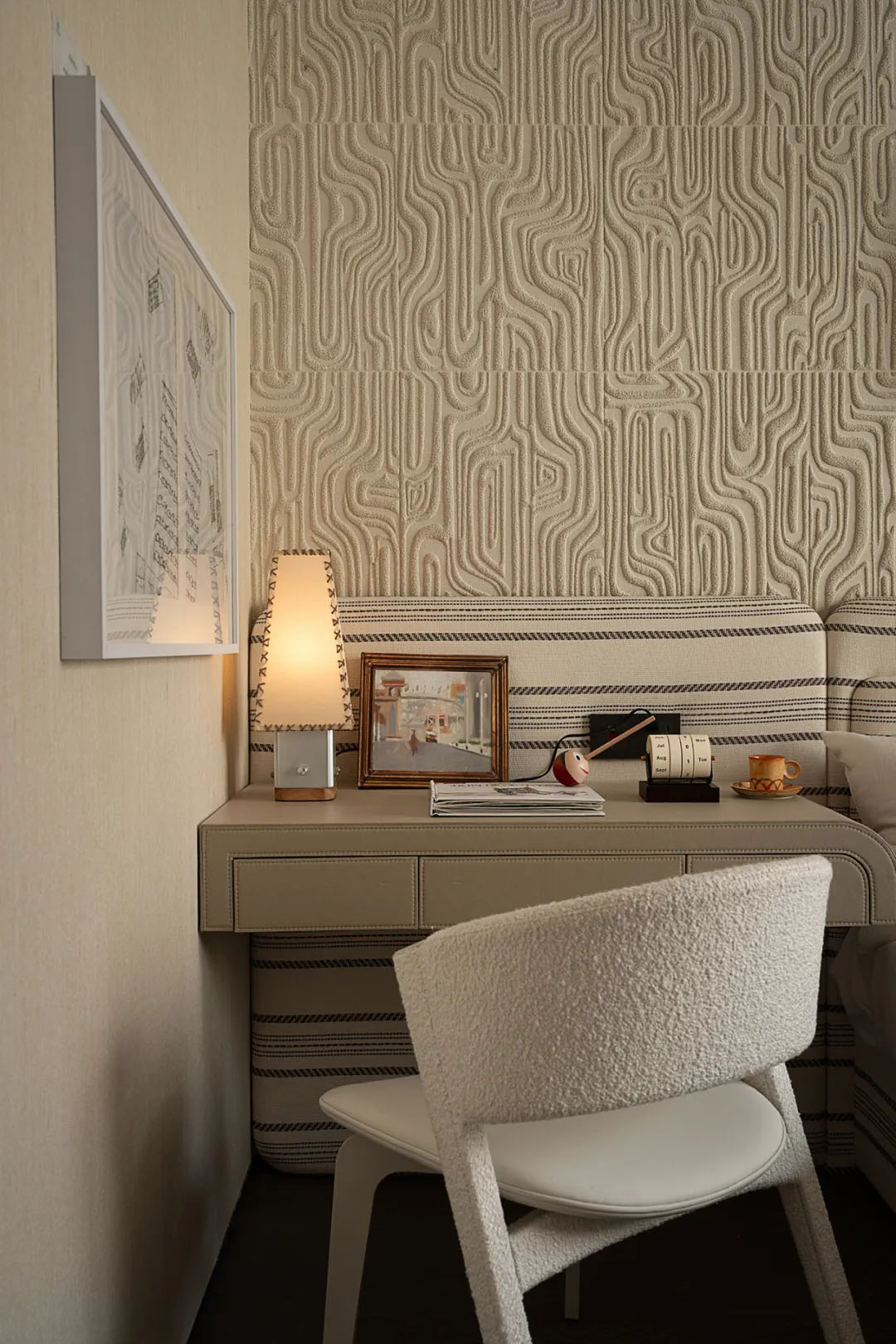
A cloffice is one of the most rental-friendly upgrades you can make, because almost every element has a no-drill, fully reversible version. The goal: a workspace with real personality that leaves zero marks when you move out.
- Wall treatment: Skip permanent paint and use peel-and-stick wallpaper or a removable, rentable paint on the back wall for a feature moment.
- Hide it without doors: A tension-rod curtain delivers the "hidden home office in a closet with doors" close-off effect with no hardware and no holes.
- No-drill storage and desk: Tension-rod shelving, adhesive floating shelves, and a freestanding or clamp-on desk keep everything reversible — just respect each product's stated weight limit.
One safety note if you do decide to paint an enclosed closet: choose a low-VOC or zero-VOC formula and ventilate while it cures. The U.S. Environmental Protection Agency notes that paints and finishes can release volatile organic compounds indoors, and a closet is a small, poorly ventilated volume where those fumes concentrate. Low-VOC products keep the air in your new nook healthier to work in all day.
Fall 2026 Cloffice Styling: Moody Color and Warm Texture
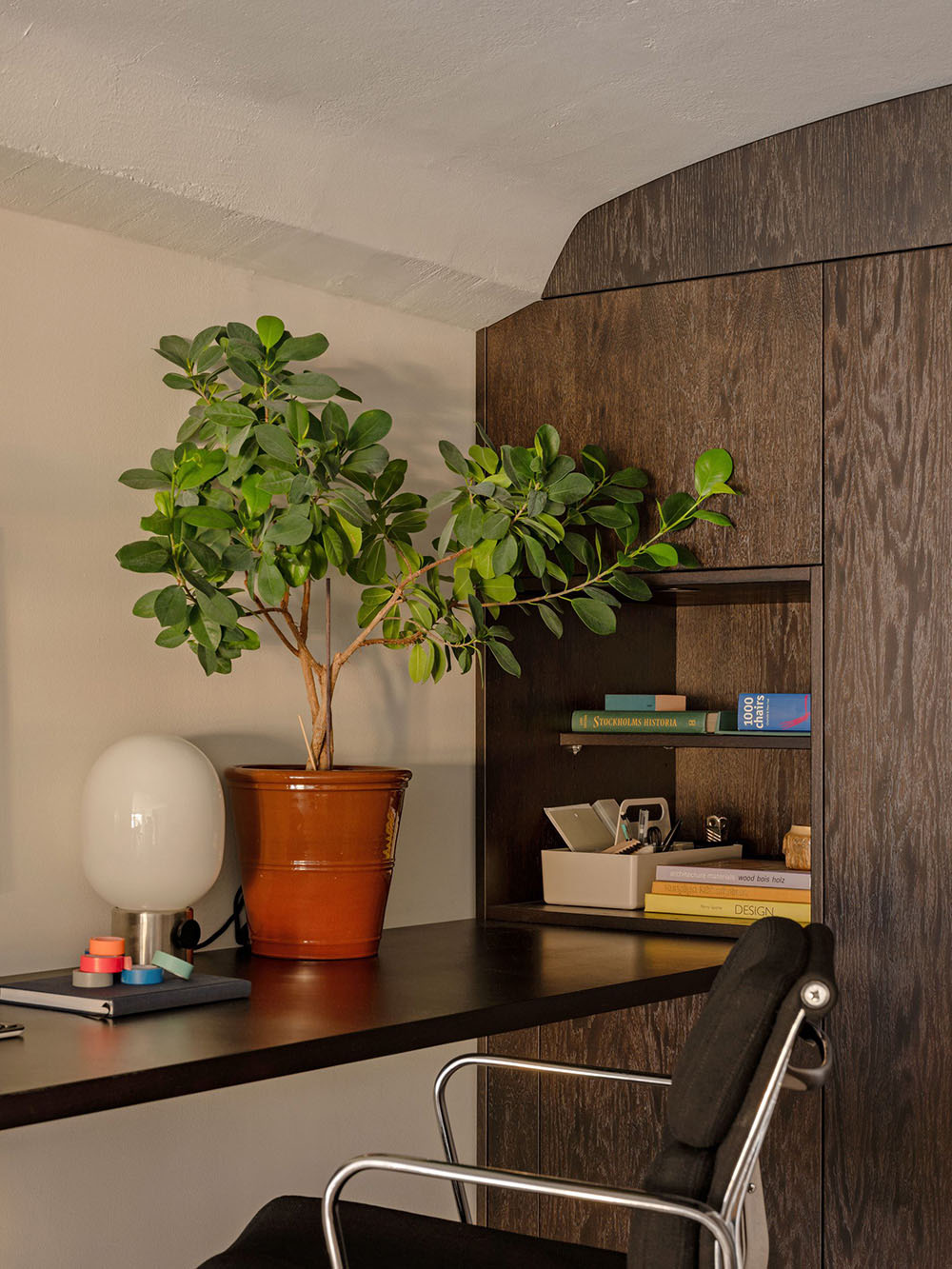
Once the build works, styling is where the cloffice earns its keep. Fall 2026 leans moody and warm — a palette that also reduces visual noise and helps you focus.
- Color: Paint or paper the back wall in oxblood, forest green, burnt umber, or mustard for a focus-friendly, dark-academia mood. Because the surface is small, a deep hue that would overwhelm a full room feels rich and contained here.
- Materials: Pair a warm walnut or espresso desktop with brass or matte-black hardware and a ceramic, linen-shade task lamp.
- Texture: Layer a wool or velvet throw over the chair, add a slim rug runner underfoot, and mount a natural cork or linen pinboard.
Restraint keeps a small nook from tipping into clutter. Follow a loose three-object rule on each open shelf — a short stack of books, one plant, one object — so it still breathes. Not sure which deep hue suits your closet? Upload a photo to Feel Design Explore and preview oxblood, forest green, and walnut pairings before you commit. Warm minimalism is the target: enough texture to feel intentional, never so much that the 36-inch space reads as busy.
A Back-to-School Cloffice: Kids' Homework Station
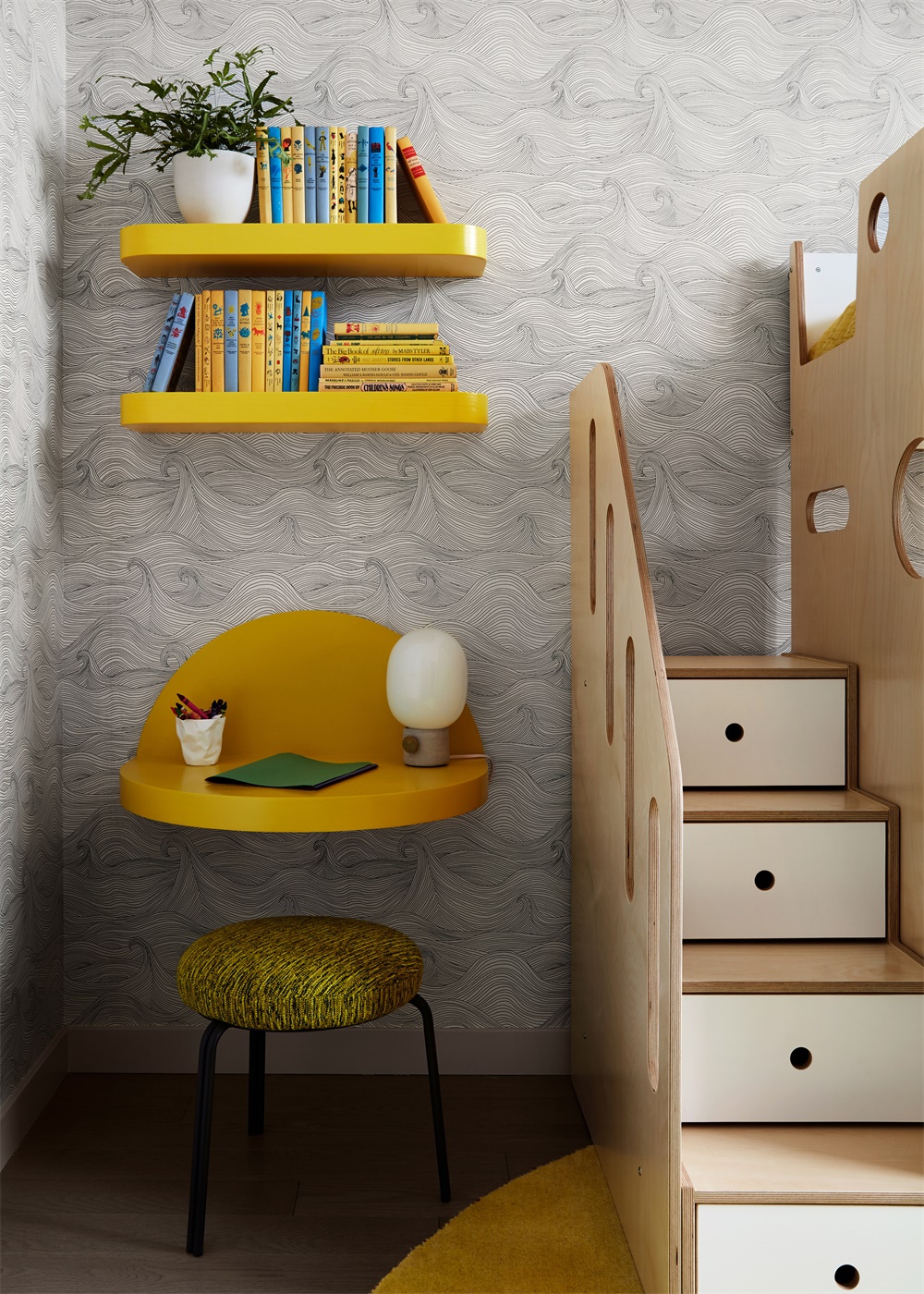
The same conversion reframes as a back-to-school homework and virtual-learning station — useful when the cloffice does double duty for a working parent by day and a student after school. The adjustments are mostly about scale and organization.
- Right-size it: Drop the desktop to a lower height and add a kid-scale chair so feet reach the floor and posture stays healthy through homework and video lessons.
- Organize supplies: Use open shelving with labeled bins, plus a pinboard or magnetic panel for schedules, permission slips, and artwork.
- Contain the mess: When the school day ends, close the doors or draw the curtain to hide the clutter and hand the room back to the family.
- Grow with them: Choose adjustable-height shelves and a bracket desk you can re-mount higher, so the nook scales from grade-schooler to teen without a rebuild.
Because the footprint is small and enclosed, a kids' cloffice keeps school supplies from migrating across the home — everything lives in one defined, closable zone you can shut at day's end.
Frequently Asked Questions
How deep should a closet office desk be?
Aim for 16–24 inches. A standard reach-in closet is about 24 inches deep, so an 18–20 inch floating desk clears your knees and still leaves a few inches to run cables behind it. Any deeper and you can't sit square to the wall; any shallower and a laptop plus monitor won't fit comfortably.
Do I need an electrician to build a cloffice?
Usually not. If the closet already has an outlet, you're set. If it doesn't, run a surge-protected power strip to the nearest outlet rather than overloading one circuit. Only hardwiring new lighting or adding an outlet requires a licensed electrician — and possibly landlord or HOA approval on a rental.
How do I make a closet office without damaging a rental?
Go fully no-drill. Use peel-and-stick wallpaper on the back wall, a tension-rod curtain instead of hinged doors, tension or adhesive shelving, and a freestanding or clamp-on desk. Everything is reversible, so you keep your deposit. If you paint an enclosed closet, choose a low-VOC formula for better indoor air quality.
What lighting works best in a windowless closet office?
Layer it. Pair a plug-in task lamp at the desktop with under-shelf LED strips, and choose warm 2700–3000K bulbs so screens are easy on the eyes. Avoid relying on a single overhead bulb, which casts shadows and makes a small, enclosed nook feel dim and cave-like on video calls.
Can a cloffice double as a kids' homework station?
Yes. Lower the desk height, add a kid-scale chair for good posture, and use open shelving with labeled bins for supplies. A pinboard holds schedules and artwork. When homework's done, close the doors or curtain to hide the clutter — the same conversion works for adults by day and kids after school.
Conclusion
Before you drill a single hole, see the whole cloffice first. Upload a photo of your closet to Feel Design Explore to preview paint colors, floating-desk styling, and shelving layouts in seconds — then browse real small-space workspaces in Explore for more inspiration. A reach-in closet you barely use is all the room you need for a genuine, hideable home office: solve power and light, keep every renter-safe swap reversible, and lean into the warm, moody fall-2026 mood. When the design feels right on screen, build it with confidence and reclaim your workday.
References
- American Society of Interior Designers (ASID) (2026). The home office and workplace wellness as re-prioritized residential spaces in the hybrid-work era.
- Houzz Industry Reports (2026). Homeowner interest in dedicated home-office and small-space work zones.
- U.S. Environmental Protection Agency — Indoor Air Quality (2026). Volatile organic compounds from paints and finishes and the value of ventilation indoors.