
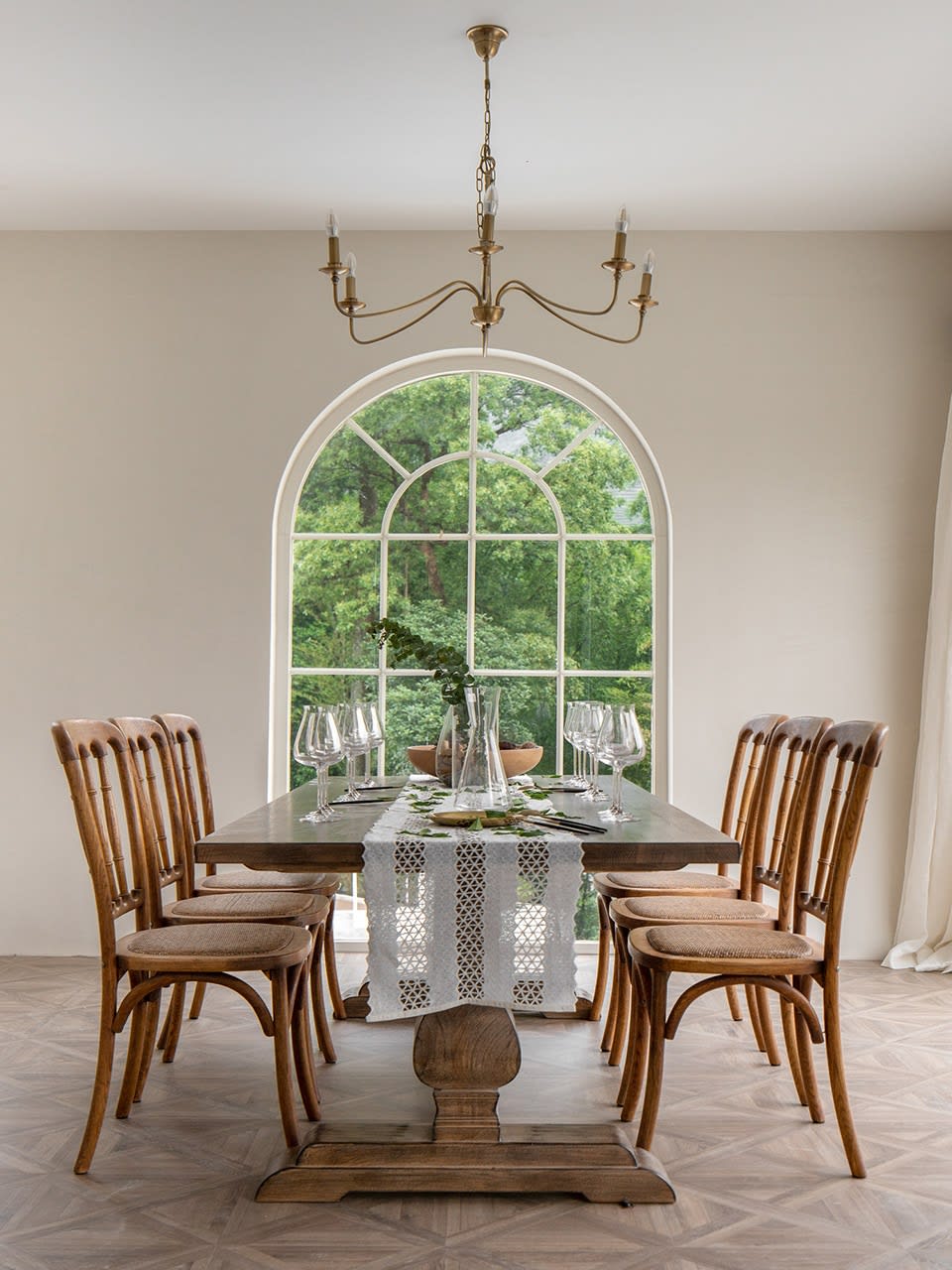
Quick Answer: What Is Modern American Revival Design?
Modern American Revival interior design reimagines classic American architectural styles—Colonial, Craftsman, Federal, and Georgian—through a contemporary lens. This approach preserves the warmth, craftsmanship, and symmetry of traditional American design while incorporating clean lines, updated materials, and modern functionality. The result is a timeless aesthetic that feels both rooted in history and refreshingly current, perfect for homeowners who appreciate heritage without sacrificing contemporary comfort.
Key Takeaways
- Honor architectural heritage: Work with, not against, your home's original features like crown molding, wainscoting, and built-ins
- Mix eras thoughtfully: Pair antique or reproduction furniture with contemporary art and lighting
- Choose a refined color palette: Classic neutrals (navy, cream, sage) with strategic accent colors
- Prioritize quality materials: Solid wood, natural stone, brass hardware, and quality textiles
- Balance symmetry with surprise: Traditional layouts with unexpected contemporary elements
- Layer lighting strategically: Combine classic fixtures (chandeliers, sconces) with modern task lighting
- Embrace craftsmanship: Handmade details and artisanal pieces over mass-produced items
Understanding American Revival Styles
American Revival design encompasses several distinct architectural movements that have shaped the American home. According to the American Institute of Architects (AIA), these styles experienced their original popularity between 1880 and 1955, and are now seeing renewed interest with modern interpretations.
Colonial Revival (1880-1955)
Characterized by symmetrical facades, center-hall layouts, and classic proportions. Modern interpretations maintain the formal elegance while opening up floor plans and updating kitchens and bathrooms.
Craftsman/Arts & Crafts (1905-1930)
Celebrates handcrafted details, natural materials, and integration with nature. Today's Craftsman revivals honor the built-in cabinetry and wood details while incorporating contemporary sustainability practices.
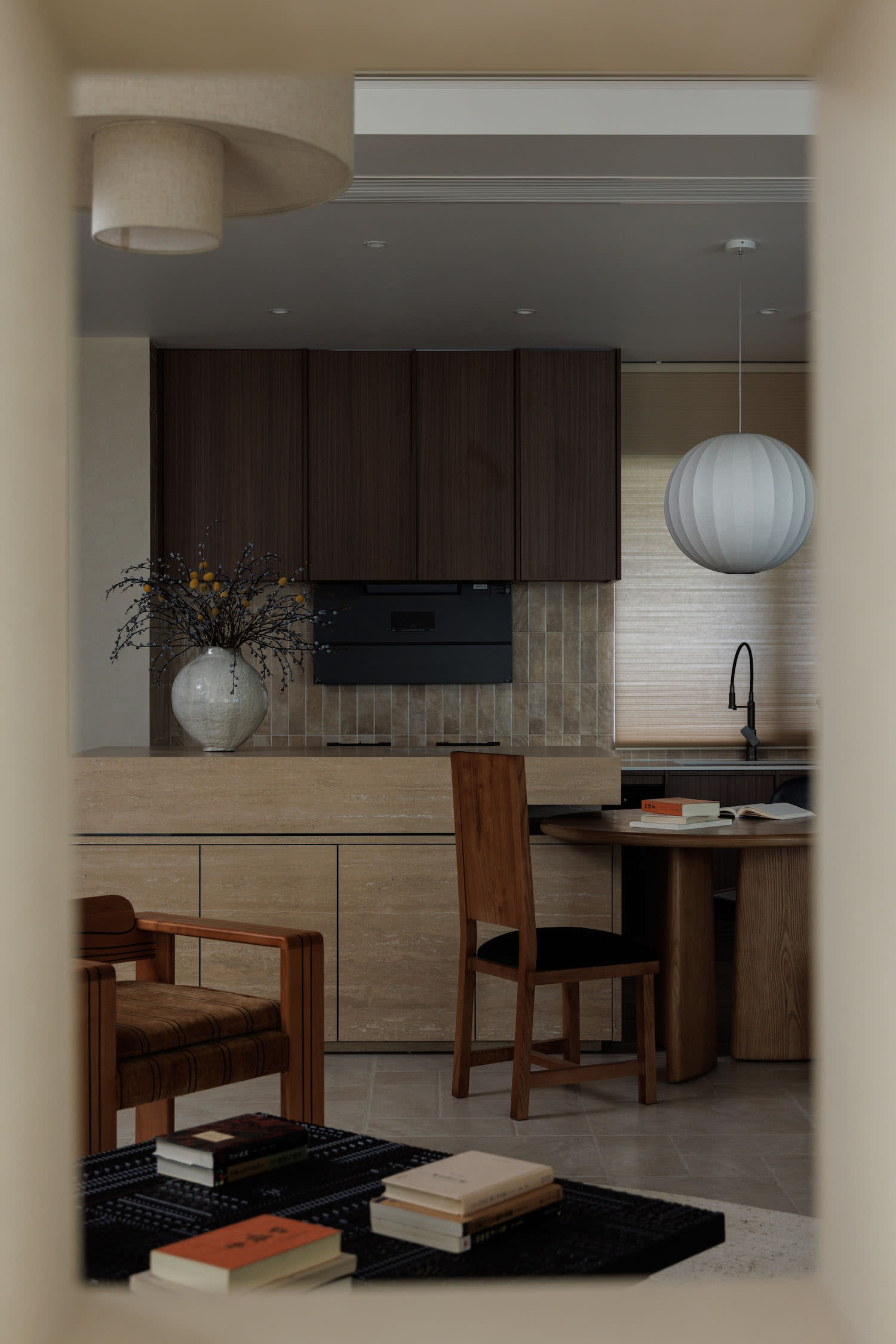
Federal Style (1780-1840)
Elegant and refined with delicate ornamentation, oval rooms, and fan windows. Modern Federal revivals simplify the decorative elements while preserving the sophisticated proportions.
Georgian Revival (1900-1950)
Grand, symmetrical, and formal with classical details. Contemporary Georgian homes often feature updated kitchens and open-concept family areas while maintaining formal living and dining spaces.
Modern American Revival Living Room Ideas
The living room is where Modern American Revival truly shines, offering opportunities to blend periods and create conversation-worthy spaces.
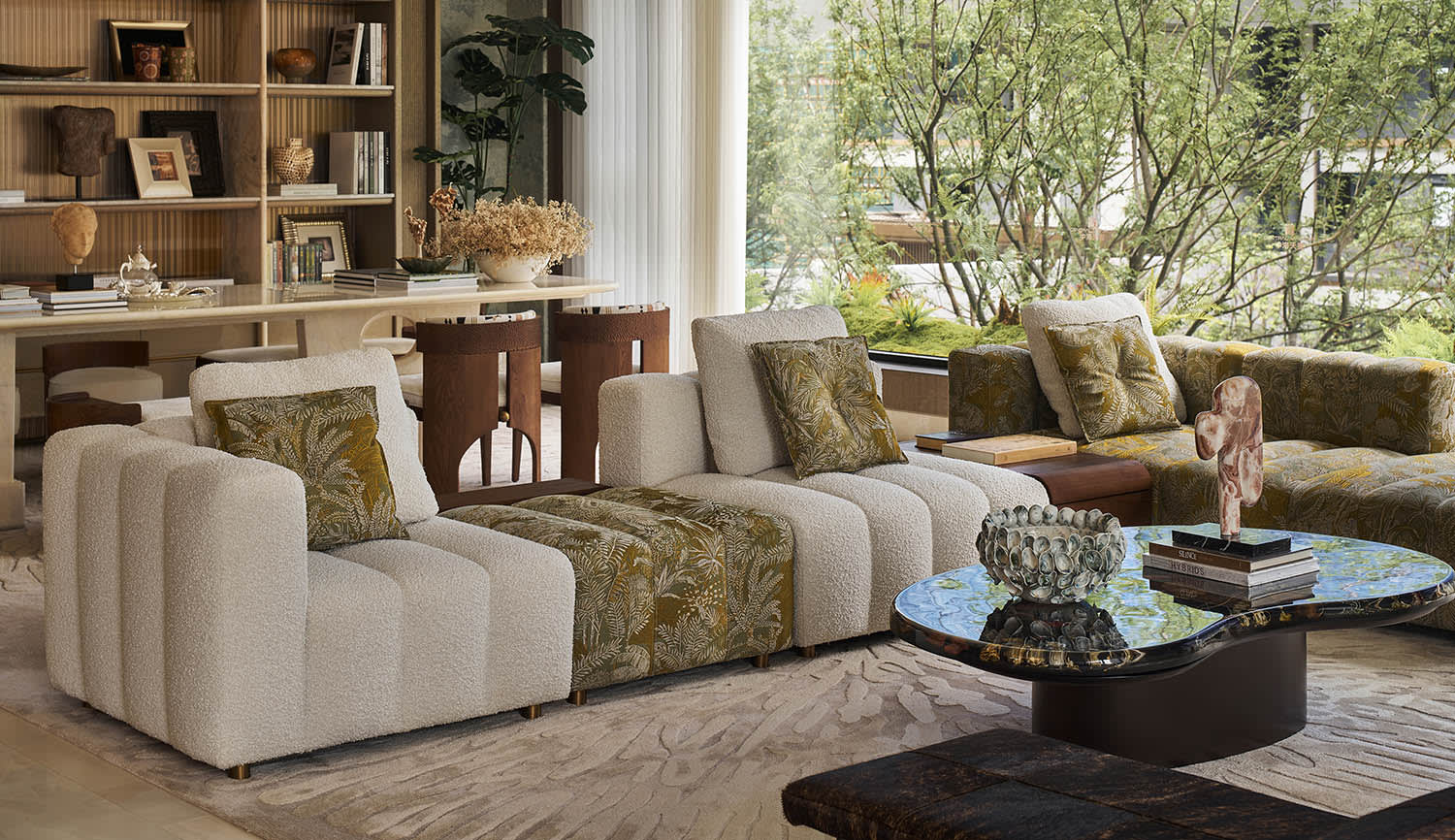
Furniture Selection
- Anchor pieces: Rolled-arm sofas, wingback chairs, Chesterfield sofas in updated fabrics
- Case goods: Traditional silhouettes in rich woods (mahogany, cherry, walnut)
- Modern additions: Lucite accent tables, contemporary art, minimalist floor lamps
- Textiles: Classic patterns (toile, damask, stripes) in contemporary colorways
Color Palette Recommendations
| Category | Traditional Choice | Modern Update |
|---|---|---|
| Walls | Cream, soft white | Warm greige, pale sage |
| Accents | Hunter green, burgundy | Navy, terracotta, olive |
| Trim | Bright white | Soft white, warm white |
| Metals | Polished brass | Unlacquered brass, bronze |
Pro Tip: Use Feel Design's AI visualization tools to test different color combinations in your space before committing to paint.
Bedroom Design: Classic Comfort Meets Modern Serenity
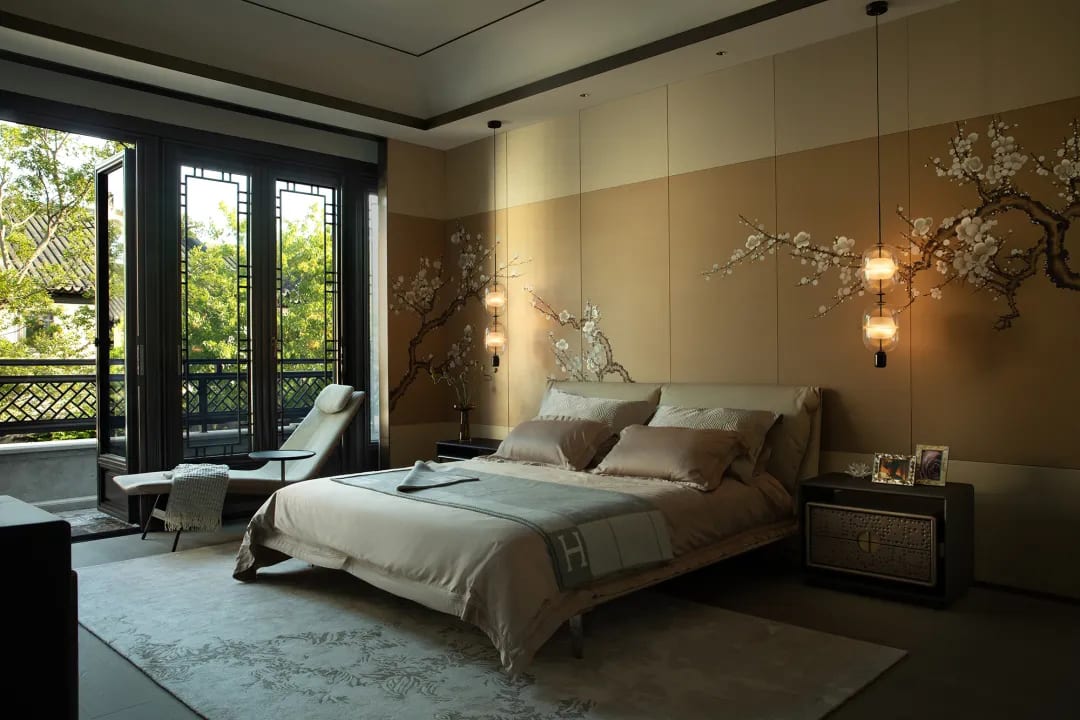
American Revival bedrooms prioritize comfort and tranquility while maintaining elegant details. The American Society of Interior Designers (ASID) notes that bedroom design trends are moving toward "collected" looks that feel personal rather than decorated.
Essential Elements
- Bed: Four-poster, sleigh, or upholstered headboard with classic proportions
- Nightstands: Matching or complementary pieces in rich wood tones
- Seating: Slipper chair or small settee at the foot of the bed
- Lighting: Bedside sconces or lamps with traditional shades
- Window treatments: Full-length drapes in quality fabrics (linen, velvet, cotton sateen)
Modern Updates for Traditional Bedrooms
- Simplify the color scheme: Move from busy patterns to sophisticated solids
- Update hardware: Replace ornate pulls with clean, geometric shapes
- Add contemporary art: Abstract or modern photography above the bed
- Incorporate technology: Hidden charging stations, smart lighting controls
Kitchen Design: Where Heritage Meets Modern Function
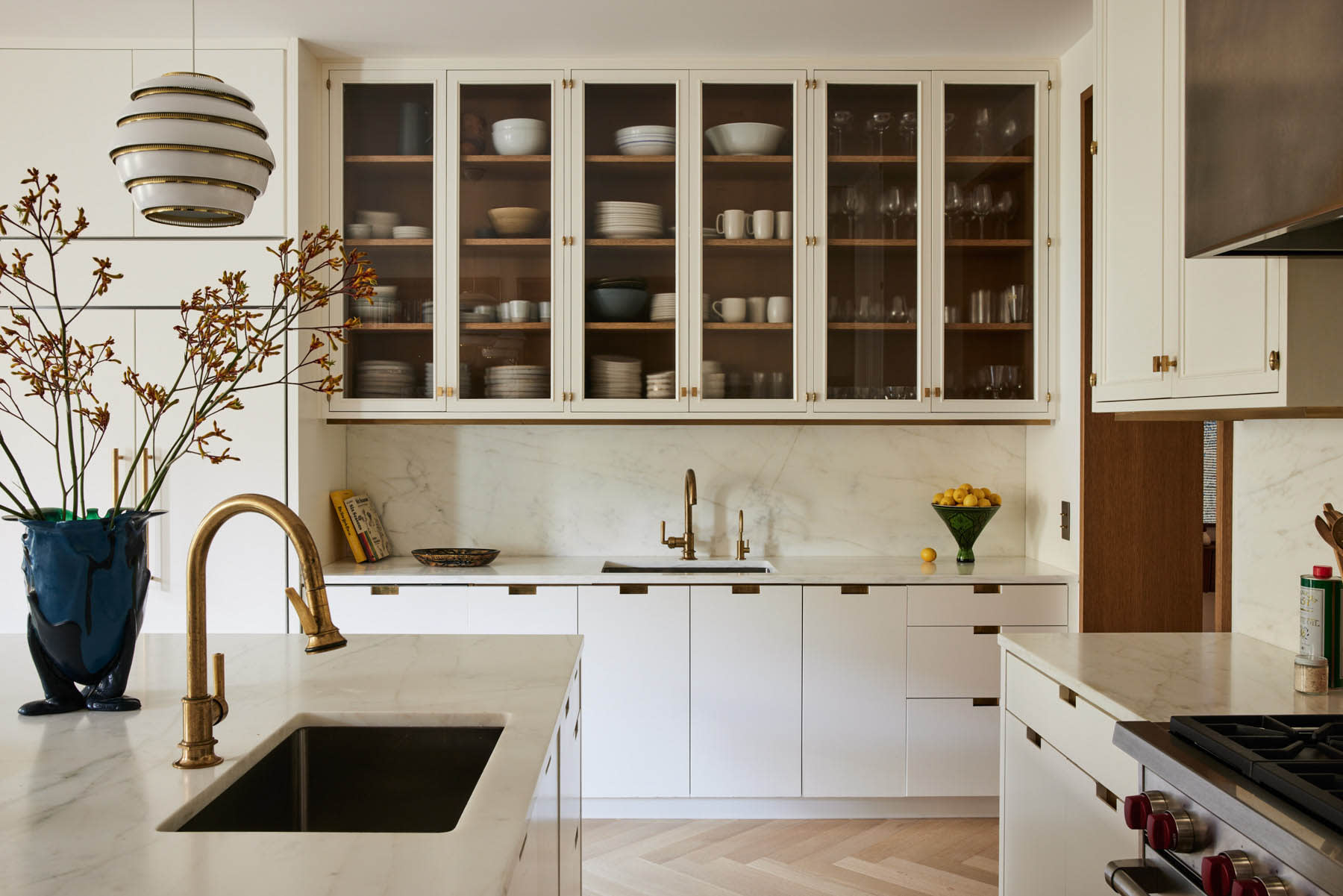
The kitchen represents the greatest opportunity—and challenge—for Modern American Revival design. According to the National Kitchen & Bath Association (NKBA), transitional kitchens that blend traditional and contemporary elements remain the most popular style in American homes.
Cabinetry Guidelines
- Door style: Shaker, raised panel, or beaded inset
- Color: White, cream, soft gray, or rich wood tones
- Hardware: Bin pulls, knobs in brass, bronze, or polished nickel
- Modern touch: Handleless upper cabinets, integrated appliances
Countertop and Backsplash Combinations
| Style | Counter | Backsplash |
|---|---|---|
| Classic Elegant | Calacatta marble | Subway tile with dark grout |
| Warm Traditional | Honed granite | Brick or stone |
| Modern Update | Quartz (marble look) | Full-height slab |
| Craftsman | Butcher block + stone | Handmade ceramic tile |
Want to see how different finishes would look in your kitchen? Upload a photo to Feel Design and explore various material combinations instantly.
Creating a Welcoming American Revival Entryway
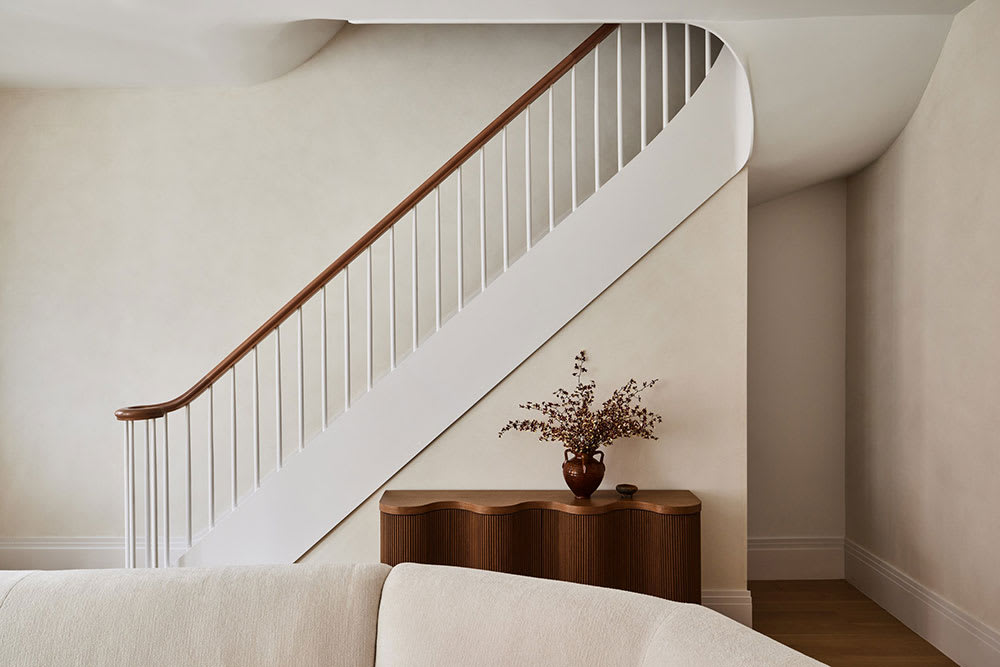
The entryway sets the tone for your entire home and offers the first opportunity to establish your Modern American Revival aesthetic.
Key Design Elements
- Flooring: Hardwood (wide plank oak), encaustic tile, or classic black-and-white checkerboard
- Lighting: Statement lantern or chandelier appropriate to ceiling height
- Furniture: Console table, demilune, or classic hall tree
- Accessories: Antique mirror, fresh flowers, meaningful art
- Storage: Built-in coat closet or period-appropriate hooks
Modern Practical Updates
- Add discreet drop zones for keys and mail
- Include subtle smart home controls
- Install adequate lighting for safety and ambiance
- Consider durable, easy-clean flooring materials
Expert Tips for Authentic American Revival Design
1. Study the Originals
Visit house museums, historic homes, and browse Architectural Digest archives to understand the principles behind these styles. Knowledge of the original helps you make informed modern updates.
2. Invest in Quality Over Quantity
American Revival design celebrates craftsmanship. Choose fewer, better pieces rather than filling spaces with mediocre items. According to Consumer Reports, quality furniture can last 15-25 years versus 3-5 years for budget pieces.
3. Embrace Patina and Imperfection
Authentic American design includes the wear and character of time. Don't over-restore antiques or choose finishes that are too perfect.
4. Layer Your Lighting
Traditional American homes relied on multiple light sources. Combine:
- Overhead fixtures (chandeliers, pendants)
- Wall sconces at appropriate heights
- Table and floor lamps for task lighting
- Modern additions: recessed lighting, under-cabinet LEDs
5. Use Feel Design for Visualization
Before making significant purchases, use Feel Design's room visualizer to see how traditional pieces will work in your space alongside modern elements.
Common Mistakes to Avoid
1. Going Too Theme-y
Avoid creating a museum or period room. Modern American Revival should feel lived-in and personal, not like a historical recreation.
2. Ignoring Scale and Proportion
Traditional furniture was designed for rooms with higher ceilings and larger dimensions. Ensure pieces are appropriately scaled for your actual space.
3. Forgetting Functionality
Don't sacrifice modern convenience for aesthetic authenticity. Your home should work for contemporary life.
4. Matching Everything
Traditional rooms often featured furniture acquired over time. Avoid matching bedroom or dining sets in favor of complementary but varied pieces.
5. Overlooking the Details
Hardware, outlet covers, and switch plates matter. Upgrade to period-appropriate options or sleek modern alternatives—not builder-grade basics.
Frequently Asked Questions (FAQs)
- Q1: What is the difference between traditional and Modern American Revival design?
- Traditional American design strictly adheres to historical accuracy, while Modern American Revival reinterprets classic elements for contemporary living. Modern American Revival maintains the proportions, materials, and craftsmanship of traditional styles but incorporates updated colors, simplified ornamentation, and modern functionality like open floor plans and integrated technology.
- Q2: Can I create Modern American Revival design in a newer home?
- Absolutely. Many newer homes can successfully embrace Modern American Revival design through thoughtful additions. Consider adding architectural details like crown molding, wainscoting, or built-in bookcases. Choose furniture and fixtures that reference traditional American styles, and use classic color palettes to establish the aesthetic foundation.
- Q3: What are the best furniture brands for American Revival style?
- Quality furniture makers for American Revival style include Ethan Allen, Baker, Hickory Chair, and Stickley for new pieces. Antique and vintage pieces from quality auction houses and estate sales often offer better craftsmanship at comparable prices. For budget-friendly options, Pottery Barn and Ballard Designs offer traditional-inspired pieces.
- Q4: How do I mix modern and traditional pieces successfully?
- Successful mixing requires maintaining a consistent color palette and varying texture rather than style. Start with a 70/30 ratio—70% traditional, 30% modern—and adjust based on your preferences. Ensure modern pieces share something with traditional ones: color, material, or scale.
- Q5: Is American Revival design expensive to achieve?
- American Revival design can fit various budgets depending on your approach. Focus investment on architectural details and anchor furniture pieces. Supplement with vintage finds, quality reproductions, and modern pieces from accessible retailers. The key is prioritizing quality in visible, high-impact areas.
Conclusion
Modern American Revival interior design offers the best of both worlds: the warmth, craftsmanship, and character of America's architectural heritage combined with the comfort and functionality of contemporary living. By understanding the principles behind Colonial, Craftsman, Federal, and Georgian styles, you can create spaces that feel timeless yet fresh, collected yet cohesive.
The key is approaching each room with intention—honoring what works from the past while confidently incorporating modern elements that serve your actual lifestyle. Start with your home's existing architecture, invest in quality where it matters, and don't be afraid to mix periods thoughtfully.
Ready to visualize your Modern American Revival transformation? Visit Feel Design's Explore page to upload photos of your space and see how traditional and contemporary elements can work together in your home. Our AI-powered visualization tools help you experiment with different styles, colors, and furniture arrangements before making any commitments.