Small Apartment Reading Nook Ideas for a Cozy Corner
The most useful small apartment reading nook ideas start with a comfortable seat, a reachable surface, and light directed onto your book. Choose a quiet corner beside a window, near the sofa, or along an unused wall. Measure the furniture and walking route before adding storage, then finish with one soft layer.
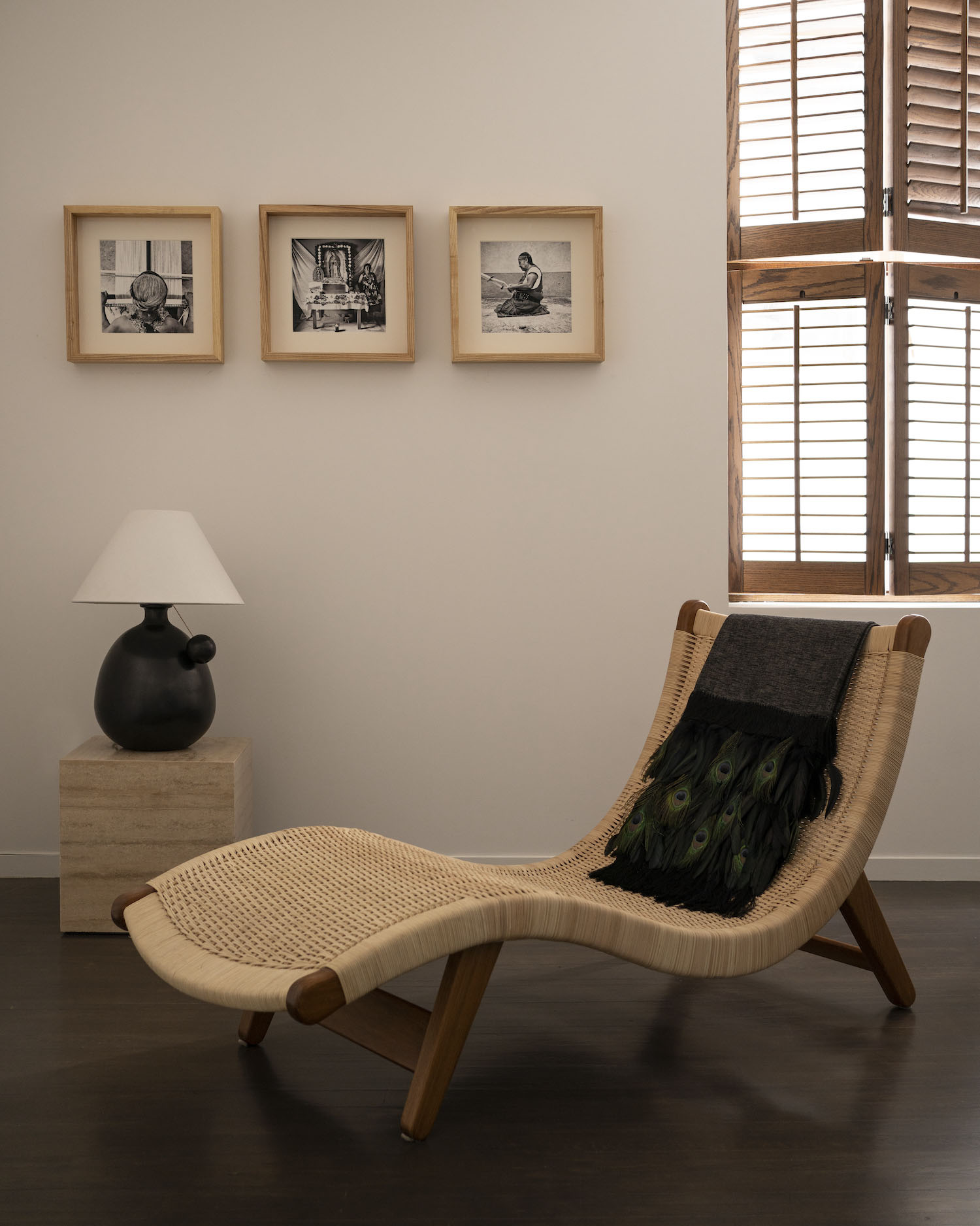
Key Takeaways
- Start with a seat you already enjoy using and a surface you can reach.
- Compare the window corner, sofa edge, and quiet wall against your daily routine.
- Measure the real furniture footprint and test the usual walking route before shopping.
- Check daylight and lamp light with an open book from your normal sitting position.
- Keep current books close, store overflow elsewhere, and choose details you can reset for guests.
What belongs in a small apartment reading nook?
A small apartment reading nook needs a seat you enjoy using, useful light, and somewhere to put your book. A separate armchair is optional. If an existing sofa already feels comfortable, its quieter end may be the best starting point.
| Start with | Add only if useful |
|---|---|
| A comfortable existing seat | A footrest that fits when extended |
| Light directed toward the page | A second lamp for the room’s atmosphere |
| A reachable surface | A small shelf for current books |
The distinction matters when every piece shares space with daily life. An attractive stool that is awkward to reach will not serve you as well as the side table you already use. Likewise, a decorative basket becomes clutter if you must move it whenever you sit down.
Houzz’s 2026 U.S. emerging trends report describes interest in analog leisure and warm, tactile interiors. That is useful inspiration, not a shopping prescription or evidence that this exact nook arrangement suits every home. Borrow a texture or color you like, then judge the corner by whether you actually return to it. A simple, regularly used spot is a successful result.
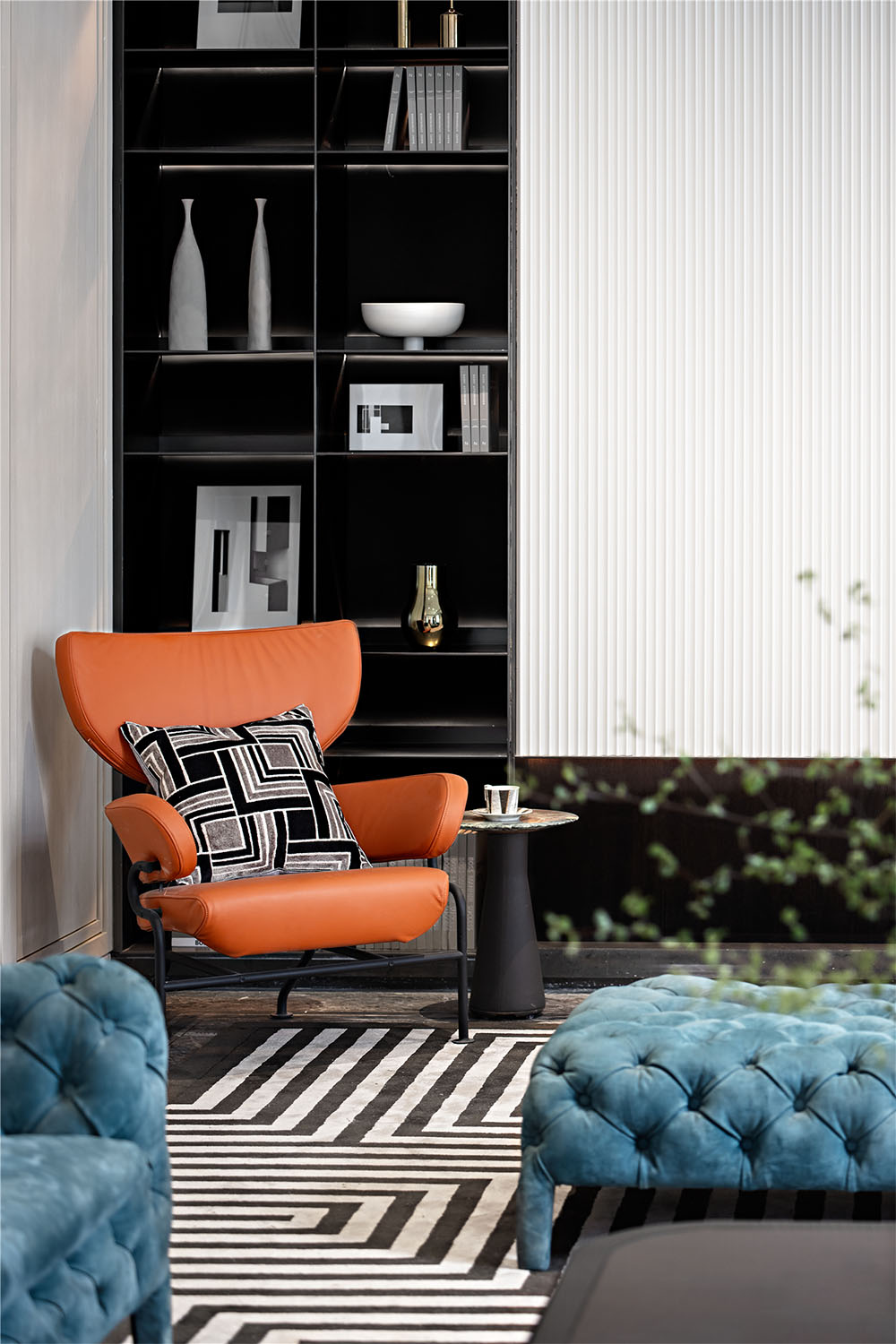
Set up your corner before buying furniture
Try a reading nook with furniture you own before committing to a permanent arrangement. This reuse-only trial has an estimated additional cost of USD $0 if you already own every item used. Any later purchases are outside that estimate. Keep a tape measure handy and work with the dimensions of your particular furniture.
- Find a workable spot: Identify a quiet corner and note the windows, outlets, door swings, and routes people use. Consider when you usually read, not just how the room looks in daylight.
- Measure the actual furniture: Record your chair’s width and depth in inches. Include any reclining movement or footrest you intend to use, plus the lamp base and side table.
- Test the footprint: Mark the proposed arrangement with paper or another removable method suitable for your floor. Walk the usual route and open nearby doors before moving heavy furniture.
- Try an existing setup: Place a seat, reachable surface, and portable lamp you already own. Read there during the day and evening, noticing glare, comfort, and interruptions.
- Adjust before shopping: Change the position or remove an unnecessary piece. Buy something only after the trial identifies a missing function, and consider where movable pieces will go when guests arrive.
Do not treat another room’s measurements as a universal fit. Your furniture, movement needs, and shared routes determine whether the arrangement works. If the trial feels cramped, remove a piece before trying to squeeze everything closer together.
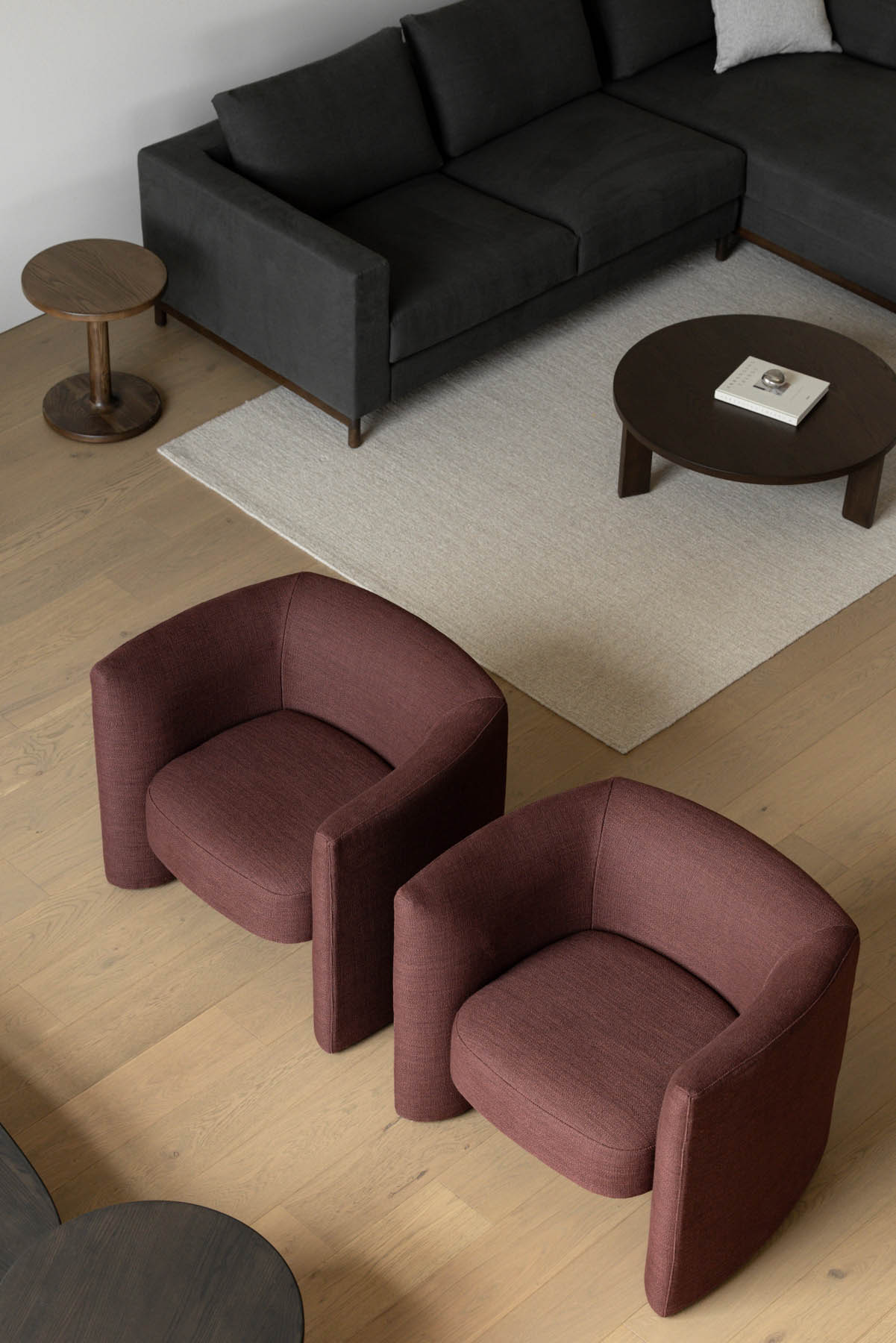
Compare three layouts for a shared living room
The best reading-nook location depends on how your living room already works. Compare several positions before deciding that an empty corner needs another chair.
| Position | What it offers | What to check |
|---|---|---|
| Beside a window | Daylight and a view | Glare on the page and access to curtains |
| At the sofa’s quieter end | Existing seating and a shared side table | Television sound and interruptions |
| Along an underused wall | A defined seat outside the main gathering area | Door swings and the route through the room |
For a window-side setup, sit with your book before choosing which direction the chair faces. At a sofa end, try moving the lamp and table first. Along a wall, keep the group small enough that it does not become a barrier between other activities.
The National Association of Home Builders’ April 2026 update identifies flexible interiors and multipurpose rooms among builders’ responses to housing preferences. An apartment nook applies a similar planning idea at furniture scale: one area can support several activities. The report is broader housing context, not a study of reading corners. Keep an alternative position in mind for the small table when visitors arrive, so reading and conversation can share the same room.
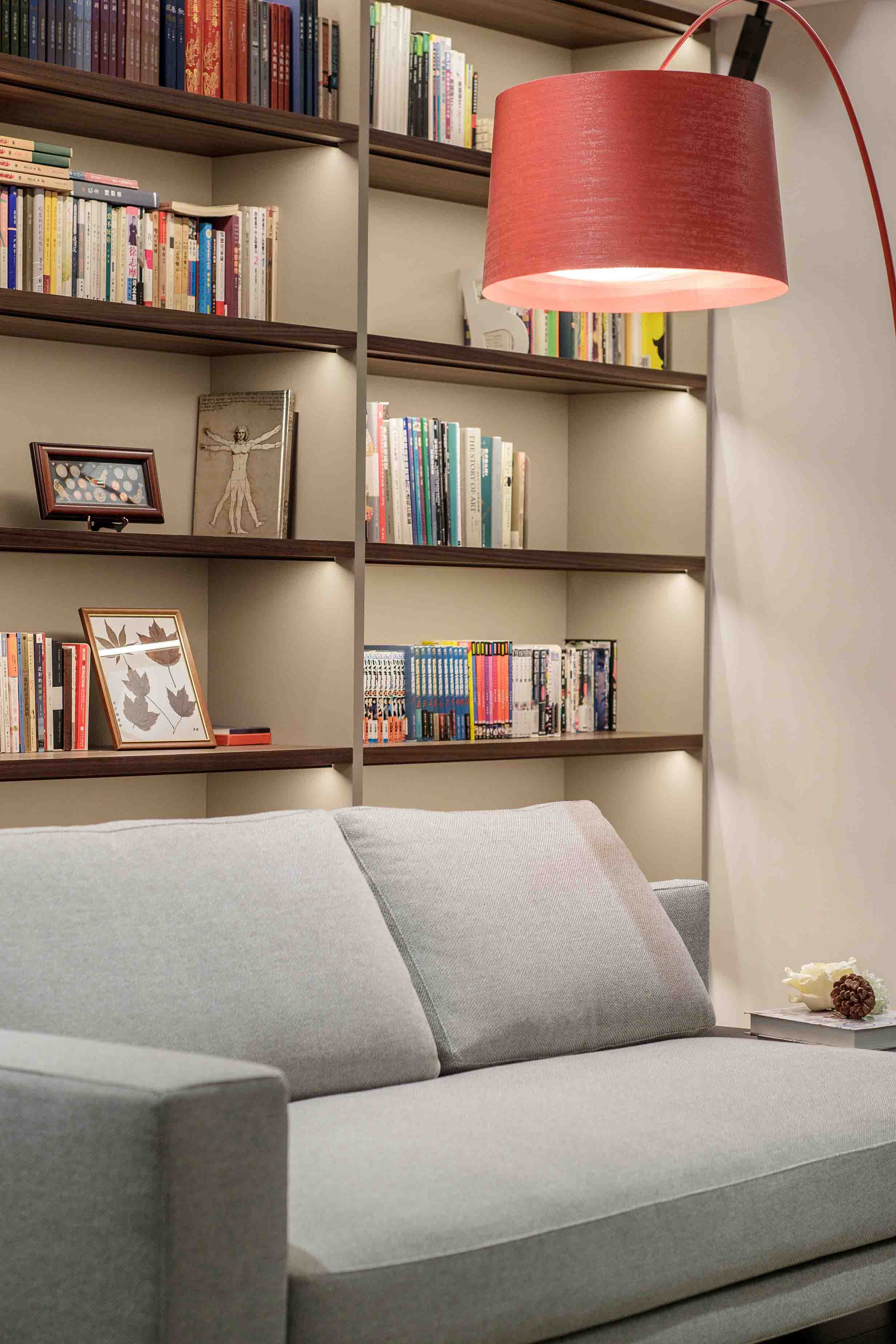
Choose lighting you can adjust from the seat
A reading corner can look inviting and still be difficult to read in. Test the light on an open book from your usual sitting position. The goal is a clearly lit page without a distracting bright source in your direct view. Start with a lamp you can reposition rather than choosing one solely for its silhouette.
- Daylight check: Try the seat at the time you usually read. Adjust your angle or an existing shade if the page catches glare.
- Evening check: Turn on the reading lamp and the room lighting you normally use.
- Placement check: Keep the lamp base and cord out of the route people use. Choose a position that works with an existing outlet.
Soft ambient light can make the corner feel comfortable, but it does not automatically replace light aimed at the task. Move a shaded lamp nearer or change its direction, then sit down again. If the fitting allows adjustment, compare positions while keeping the bulb out of your sightline.
A floor lamp also has a footprint. Include its base when testing the arrangement, especially behind a chair that moves. There is no need to invent a wiring solution to preserve a preferred layout; another corner or a different portable lamp may suit the room more naturally.
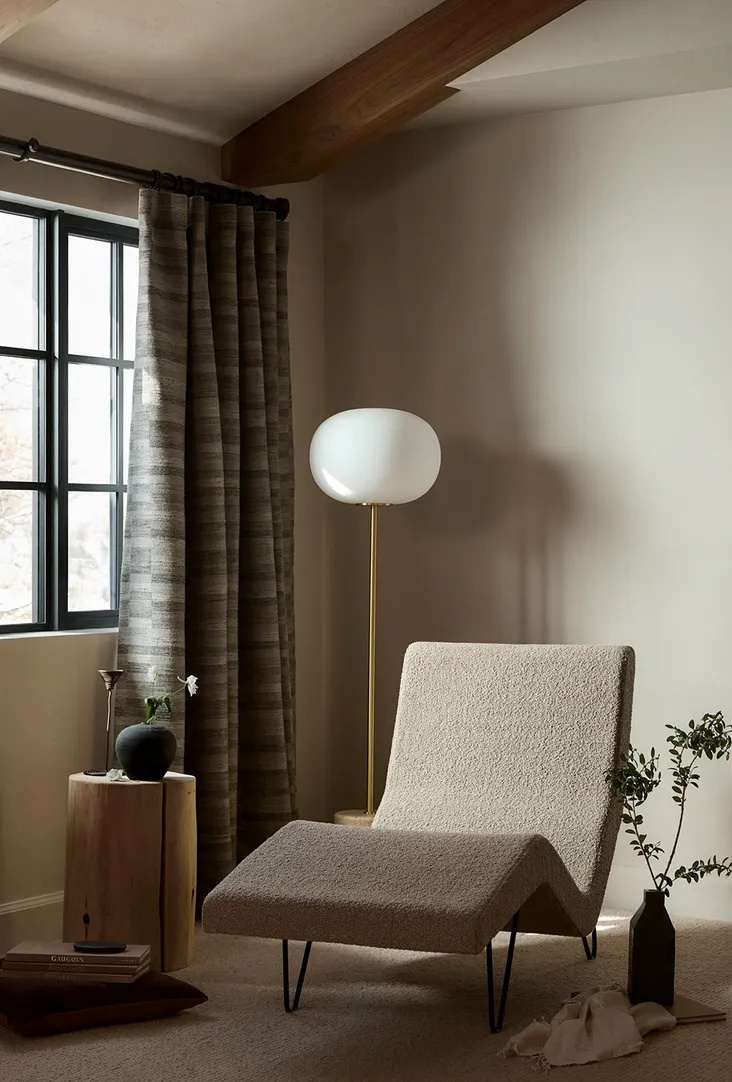
Store books without turning the corner into a library
A reading nook does not need to hold your entire book collection. Start with the book you are reading and a small selection you expect to open next. Keeping the rest in existing storage makes it easier to give the seat, lamp, and walking route enough room.
- Use a lower table shelf: It gives books a defined place while leaving the tabletop available.
- Try a small basket: Choose one that fits beside the seat without becoming something you must step around.
- Consider a compact freestanding unit: Check its actual depth and installation requirements before bringing it home.
Be honest about what needs to stay within reach. Reading glasses and a current paperback may fit comfortably on an existing surface. A large display book may need a wider shelf, but that does not mean every volume belongs beside the chair. Return finished books to their usual home rather than letting the nook become overflow storage.
Freestanding does not necessarily mean installation-free. Follow the manufacturer’s instructions, including any required anchoring, and check your lease before attaching furniture to a wall. Do not assume adhesive hardware can replace specified fixings. If a piece cannot be installed appropriately in your rental, choose a different storage approach. The useful design decision is often the smaller collection, not the larger shelf.
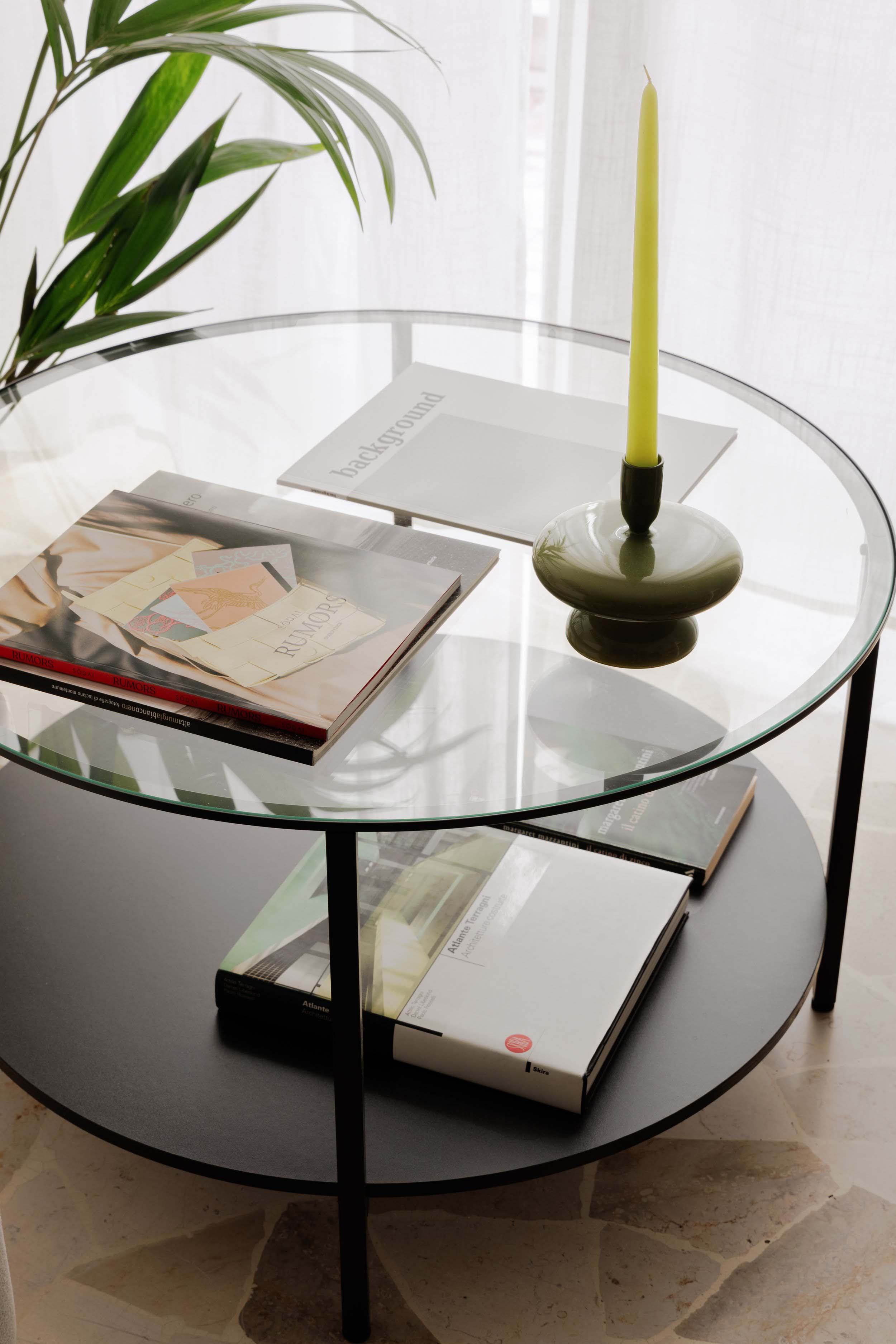
Add comfort that still works when guests arrive
Finish a reading nook with details that make the seat pleasant to use and easy to reset. One cushion or a washable throw may be enough. Choose them around the upholstery and colors already in your living room, so the nook feels connected to its surroundings.
- Keep: A textile you reach for, a surface that stays usable, and a light you can operate comfortably.
- Change: A cushion that pushes you forward, accessories that crowd the table, or loose items that collect around your feet.
- Reset: Fold the throw, put away finished books, and move the small table if the seat joins a conversation area.
Warm neutrals can work with wood and textured upholstery, but a favorite colored chair can be just as inviting. Repeat one existing color rather than replacing several pieces to match a mood board. If you consider secondhand furniture, assess its condition, dimensions, and suitability for your room instead of assuming it will automatically fit or save money.
Use the corner for several ordinary reading sessions before adding more. Notice what you adjust each time: perhaps the pillow never stays, or the table belongs on the other side. Those observations are more useful than a perfectly styled photograph.
Frequently Asked Questions
Can I create a reading nook without buying a new chair?
Yes. A comfortable sofa end or an existing armchair can become your reading spot when you add usable light and a nearby surface. Try the arrangement with a book before shopping. If the seating works, spend your attention on placement, glare, and keeping the area clear instead.
Where should a reading nook go in a small apartment?
Compare a window-side corner, the quieter end of your sofa, and an underused wall. Choose the position that lets you sit comfortably without interrupting a usual walking route. Test the spot at the time you normally read, because afternoon glare and evening activity can change which location works best.
How can I make a reading nook renter-friendly?
Start with furniture and lighting you can move, and avoid making wall changes during the trial setup. Check your lease before installing anything. If a storage unit requires anchoring, follow its instructions and get the necessary permission rather than treating adhesive hooks as a substitute for the specified hardware.
Does a reading nook need its own bookshelf?
No. A small surface or shelf for the book you are reading may be enough, especially in a shared living room. Keep a larger collection in existing storage elsewhere. Add a separate bookcase only if its real footprint fits the space and it can be installed as its manufacturer requires.
Make the corner work for your everyday life
Choose the simplest arrangement that lets you settle down with a book, then improve it through use. A comfortable seat, a clear surface, and thoughtfully placed light can give an ordinary part of your living room a new purpose. Browse Feel Design Explore for reading corners with room shapes similar to yours. Compare where the seat and lamp sit, rather than trying to copy every accessory. Bring the useful idea back to your measured space, test it with furniture you own, and let your next reading session tell you what to adjust.