
Vintage Textile Reupholstery: A Complete Guide to Reviving Furniture
Quick Answer
Vintage textile reupholstery involves recovering old furniture frames with authentic or reproduction fabrics from past eras, typically mid-century, Art Deco, or Victorian periods. This sustainable approach costs between $500-$3,000 for professional work, depending on furniture size and fabric rarity. DIY options are available for simpler pieces like dining chairs, while complex items like tufted sofas require professional expertise.
Key Takeaways
- Sustainability first: Reupholstery diverts furniture from landfills and reduces demand for new manufacturing
- Frame quality matters: Check for solid hardwood frames before investing in reupholstery
- Fabric selection: Choose period-appropriate textiles like barkcloth, velvet, or wool blends
- Cost considerations: Professional reupholstery ranges from $500-$3,000+ depending on complexity
- DIY potential: Simple pieces like dining chairs are beginner-friendly projects
- Value preservation: Quality reupholstery can double a vintage piece's resale value
- Timeline: Expect 2-6 weeks for professional work, longer for custom fabric sourcing
Understanding Vintage Textile Reupholstery
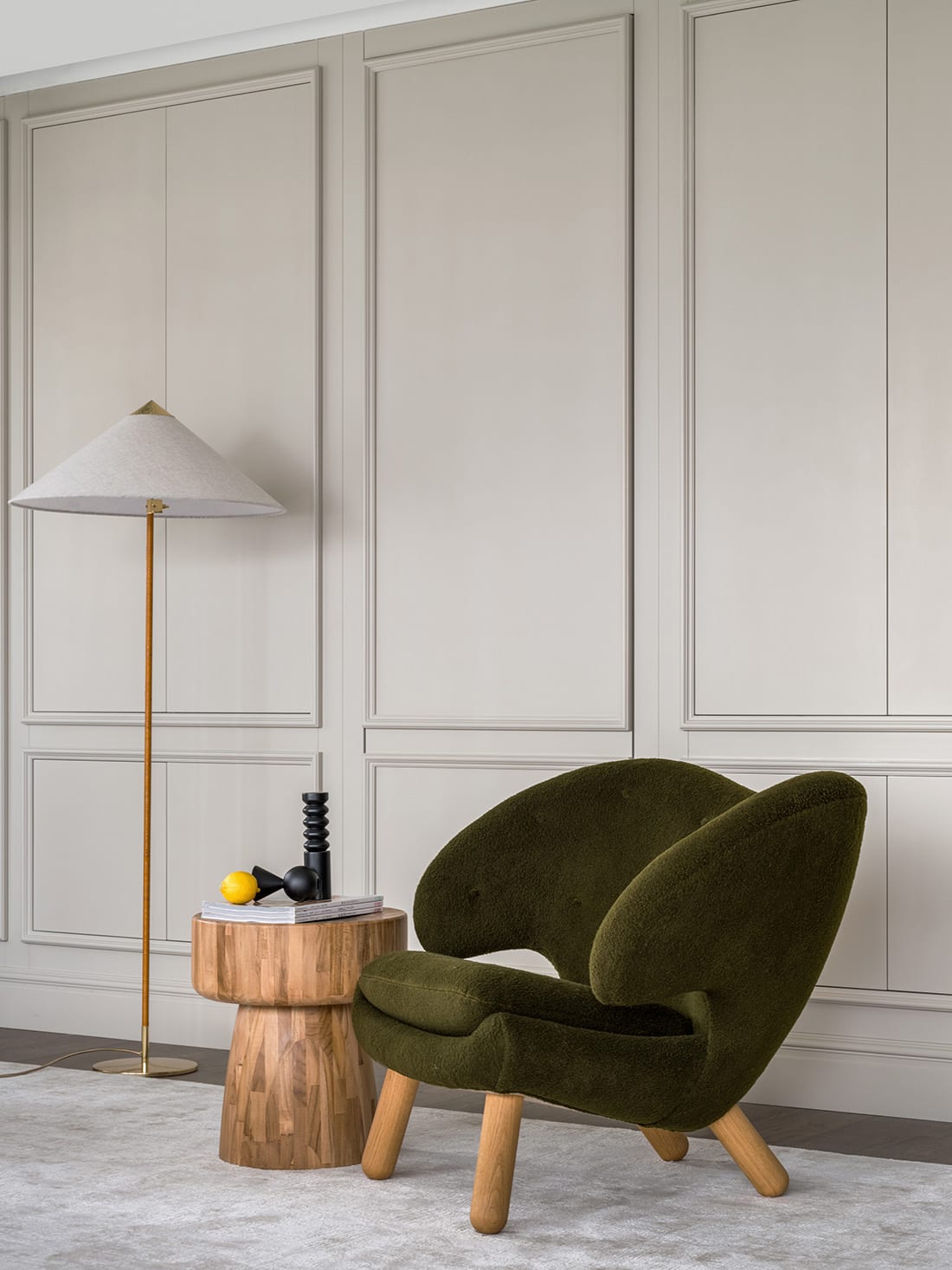
Vintage textile reupholstery is the art of breathing new life into old furniture by replacing worn fabric with period-appropriate textiles. Unlike simple reupholstering with modern fabrics, vintage textile reupholstery focuses on authenticity—matching the era, style, and craftsmanship of the original piece.
Why Choose Vintage Textiles?
- Authenticity: Period-correct fabrics maintain the furniture's historical integrity
- Uniqueness: Vintage and deadstock fabrics offer patterns unavailable in modern production
- Sustainability: Repurposing existing furniture reduces environmental impact
- Investment value: Properly restored vintage pieces appreciate over time
- Craftsmanship: Older textiles often feature superior weaving and dyeing techniques
According to the EPA, Americans discard over 12 million tons of furniture annually. Reupholstery offers a sustainable alternative that preserves both craftsmanship and resources.
Choosing the Right Vintage Fabric
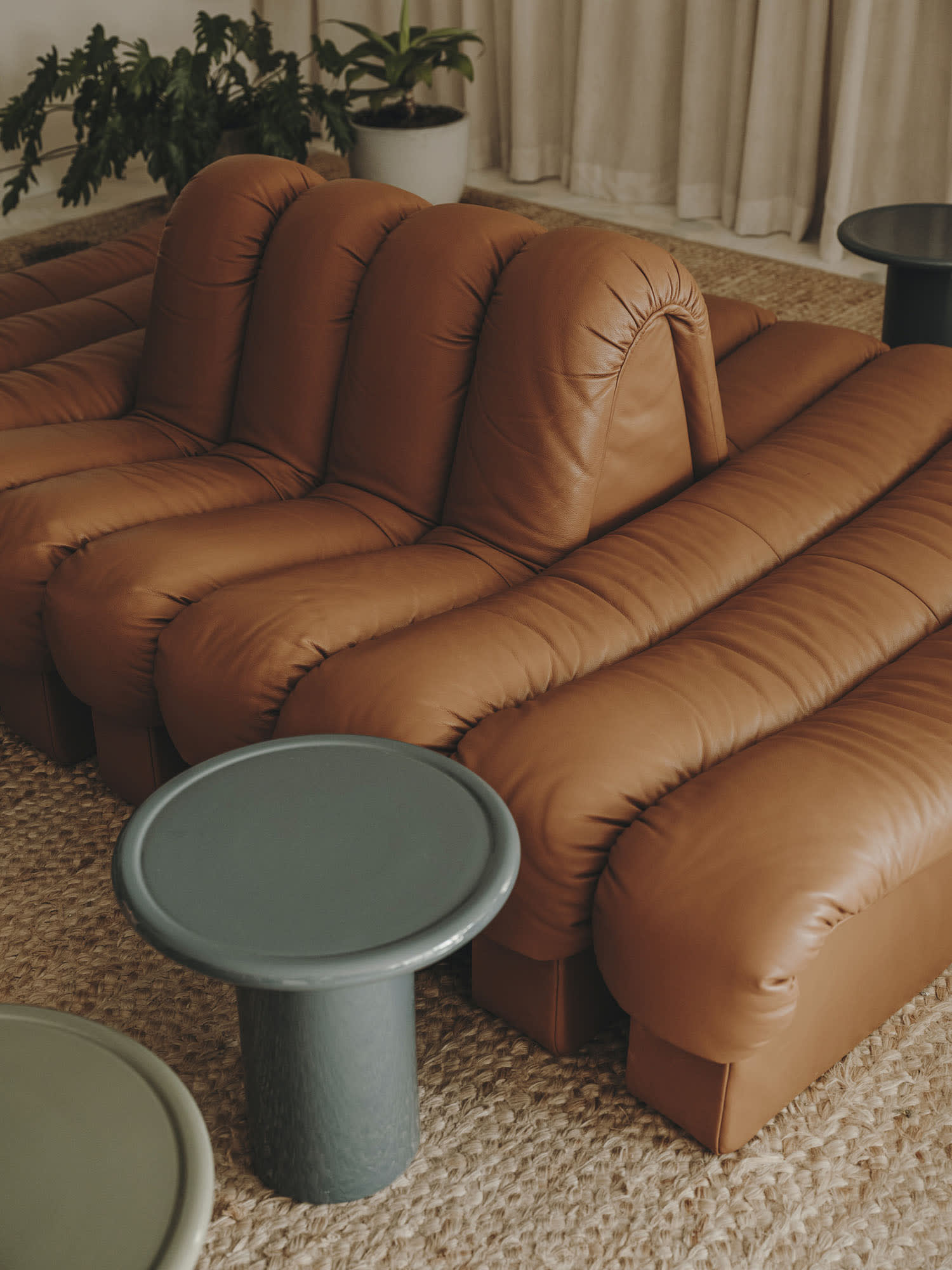
The fabric you choose defines the entire project's success. Here's how to select the perfect textile:
Popular Vintage Fabric Types by Era
| Era | Popular Fabrics | Characteristics | Best For |
|---|---|---|---|
| Art Deco (1920s-30s) | Velvet, damask, silk blends | Geometric patterns, jewel tones | Accent chairs, ottomans |
| Mid-Century (1950s-60s) | Barkcloth, tweed, vinyl | Atomic patterns, earth tones | Sofas, lounge chairs |
| Victorian (1837-1901) | Brocade, horsehair, silk | Ornate florals, deep colors | Settees, wingback chairs |
| 1970s | Corduroy, chenille, macramé-style | Bold colors, textures | Sectionals, bean bags |
Where to Source Vintage Fabrics
- Estate sales and auctions: Often feature deadstock fabric bolts
- Etsy and specialty dealers: Curated vintage textile shops
- Textile reproduction companies: Period-accurate modern productions
- Antique linens: Repurpose tablecloths, drapes, or bedspreads
Use Feel Design Explore to upload photos of your furniture and discover design inspirations that match your vintage aesthetic vision.
Step-by-Step DIY Reupholstery Guide
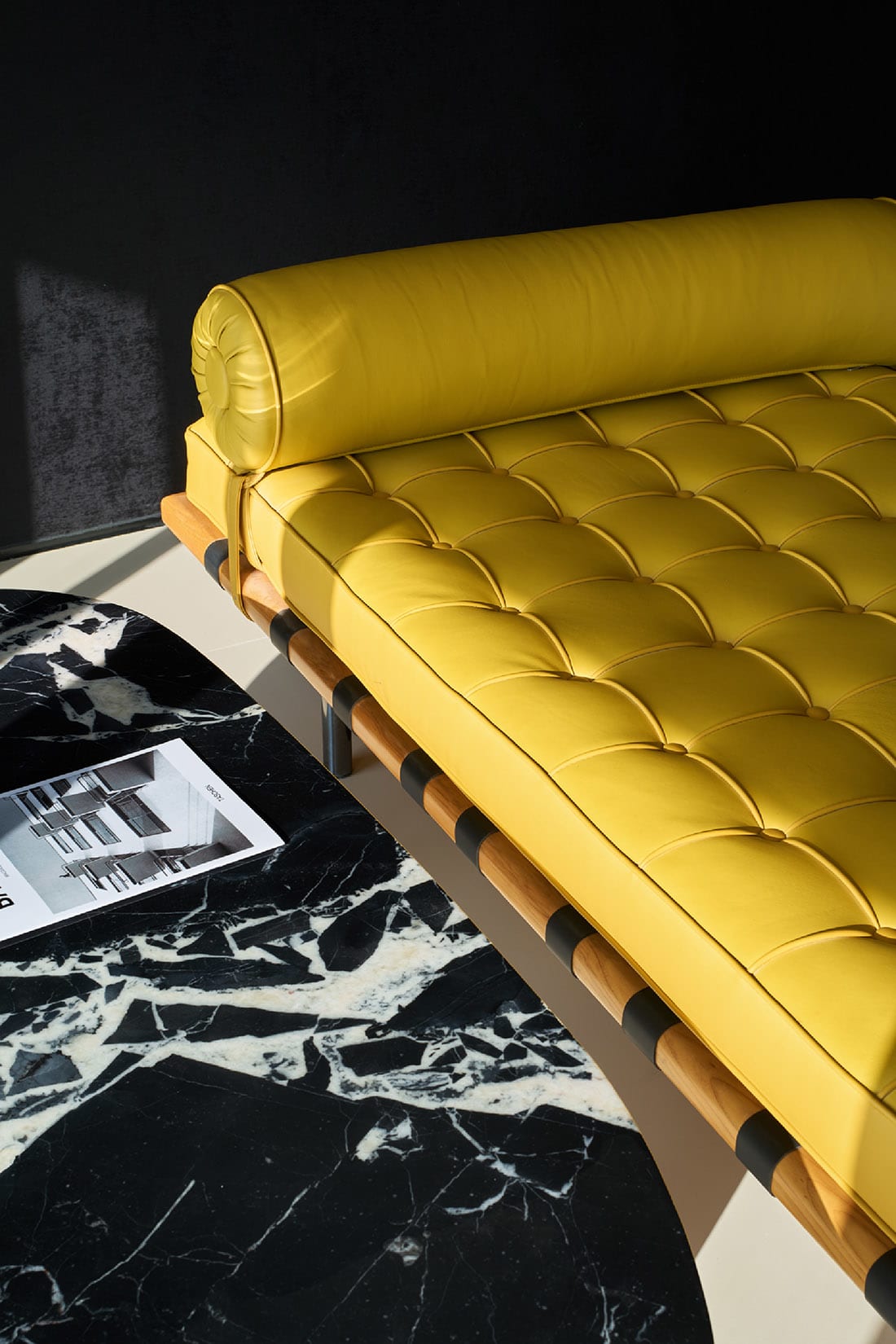
For simpler pieces like dining chairs or ottomans, DIY reupholstery is achievable with patience and proper preparation.
Essential Tools and Materials
- Staple gun and staples (3/8" for most work)
- Upholstery tack puller or flat-head screwdriver
- Fabric scissors and marking chalk
- Batting and foam (if replacing cushioning)
- Welt cord for professional finish
- Needle and upholstery thread
The DIY Process
- Document and Disassemble: Photograph the original construction. Carefully remove old fabric, keeping pieces as templates.
- Inspect the Frame: Check for loose joints, broken springs, or wood damage. Repair before proceeding.
- Replace Cushioning: If foam has deteriorated, replace with high-density foam wrapped in Dacron batting.
- Cut New Fabric: Use old pieces as patterns, adding 3-4 inches extra for pull and stapling.
- Apply Fabric: Start from the center of each piece, pulling taut and stapling outward. Work opposite sides alternately.
- Finish Details: Apply welt cord, add decorative tacks, or hand-stitch final closures.
When to Hire a Professional Upholsterer
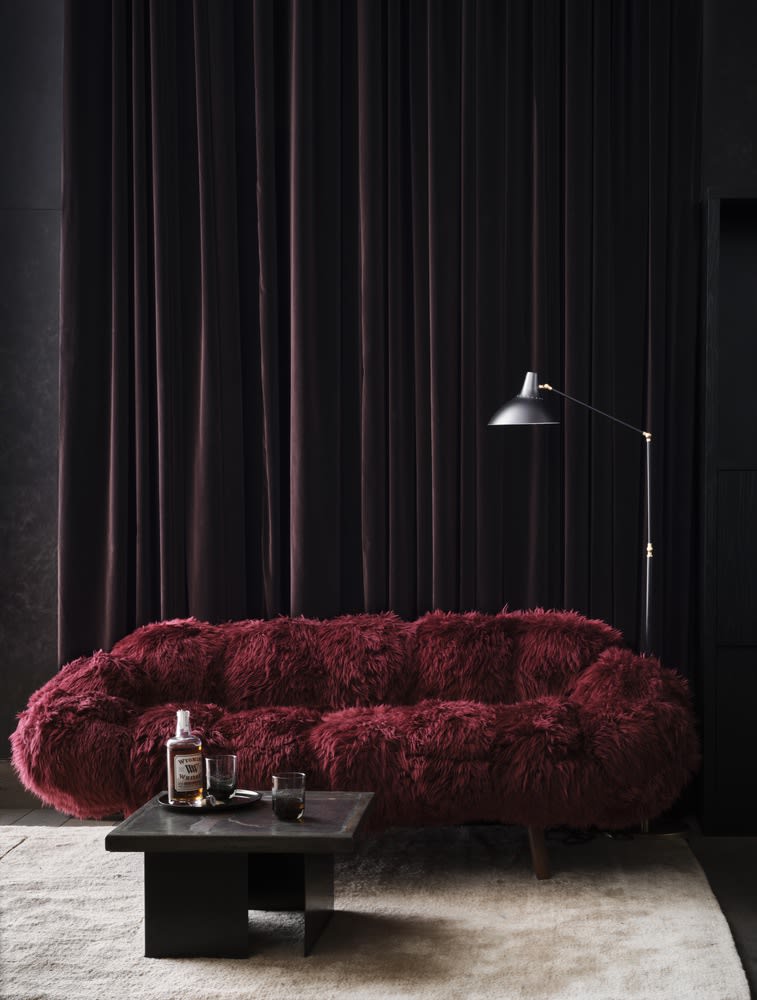
While DIY works for simple pieces, complex furniture requires professional expertise:
Projects That Need Professional Help
- Tufted furniture: Diamond or biscuit tufting requires specialized techniques
- Curved or channeled backs: Complex shapes need professional pattern-making
- Antiques over 100 years old: Historic preservation requires specialized knowledge
- Spring system repairs: Eight-way hand-tied springs demand expertise
- Rare or expensive fabrics: Mistakes with $200/yard fabric are costly
Cost Breakdown for Professional Work
| Furniture Type | Labor Cost | Fabric Cost (avg) | Total Estimate |
|---|---|---|---|
| Dining Chair | $150-$300 | $50-$150 | $200-$450 |
| Armchair | $400-$800 | $150-$400 | $550-$1,200 |
| Sofa (3-seat) | $1,000-$2,000 | $400-$1,000 | $1,400-$3,000 |
| Wingback Chair | $600-$1,200 | $200-$500 | $800-$1,700 |
The American Society of Interior Designers (ASID) recommends getting three quotes and asking to see previous work before hiring an upholsterer.
Expert Tips for Successful Projects
Fabric Care Considerations
- Test for colorfastness: Vintage fabrics may fade or bleed
- Pre-treat for stains: Apply fabric protector before installation
- Consider durability: Decorative pieces can use delicate fabrics; high-use furniture needs durability
- Pattern matching: Buy 20-30% extra fabric for large patterns
Design Integration Tips
- Use vintage reupholstered pieces as focal points in otherwise modern rooms
- Choose fabrics that complement, don't compete with, existing decor
- Consider the room's light—some vintage fabrics fade quickly in direct sunlight
- Mix eras thoughtfully: a mid-century chair can pair beautifully with Victorian accents
Browse curated design inspiration on Feel Design Explore to see how designers successfully integrate vintage pieces into contemporary spaces.
Frequently Asked Questions (FAQs)
- Q1: Is reupholstering vintage furniture worth the cost?
- Yes, if the frame is solid hardwood and the design is timeless. Quality reupholstery can last 20+ years and often increases the furniture's value. For cheaply made or damaged frames, replacement may be more economical.
- Q2: How long does professional reupholstery take?
- Expect 2-6 weeks for professional work. Simple chairs may take 1-2 weeks, while complex sofas or pieces requiring fabric sourcing can take 6-8 weeks. Rush orders typically cost 25-50% more.
- Q3: Can I use modern fabric on vintage furniture?
- Absolutely. While purists prefer period-appropriate textiles, modern performance fabrics offer better durability and stain resistance. The key is choosing a style that complements the furniture's era and silhouette.
- Q4: How do I identify quality vintage furniture worth reupholstering?
- Look for solid hardwood frames (oak, walnut, maple), kiln-dried construction, eight-way hand-tied springs, and traditional joinery like dowels or mortise-and-tenon. Avoid particleboard, stapled joints, or plastic components.
- Q5: Where can I find authentic vintage upholstery fabric?
- Estate sales, specialty Etsy shops, textile reproduction companies like Scalamandré, and architectural salvage stores are excellent sources. Facebook groups dedicated to vintage fabrics also connect collectors and sellers.
Conclusion
Vintage textile reupholstery offers a sustainable, creative way to preserve furniture craftsmanship while expressing your unique design aesthetic. Whether you tackle a simple dining chair yourself or commission a professional for a complex tufted sofa, the result is a one-of-a-kind piece that tells a story.
Ready to reimagine your furniture? Start by exploring design inspiration on Feel Design Explore—upload a photo of your current space or the piece you want to transform, and discover professionally designed interiors that showcase the beauty of vintage textiles in modern homes.
References
- American Society of Interior Designers (ASID) (2025). Furniture Restoration Best Practices.
- U.S. Environmental Protection Agency (2024). Facts and Figures about Materials, Waste and Recycling.
- Houzz. Reupholstery Cost Guide and Designer Directory.