Renter Friendly Apartment Makeover Ideas That Work
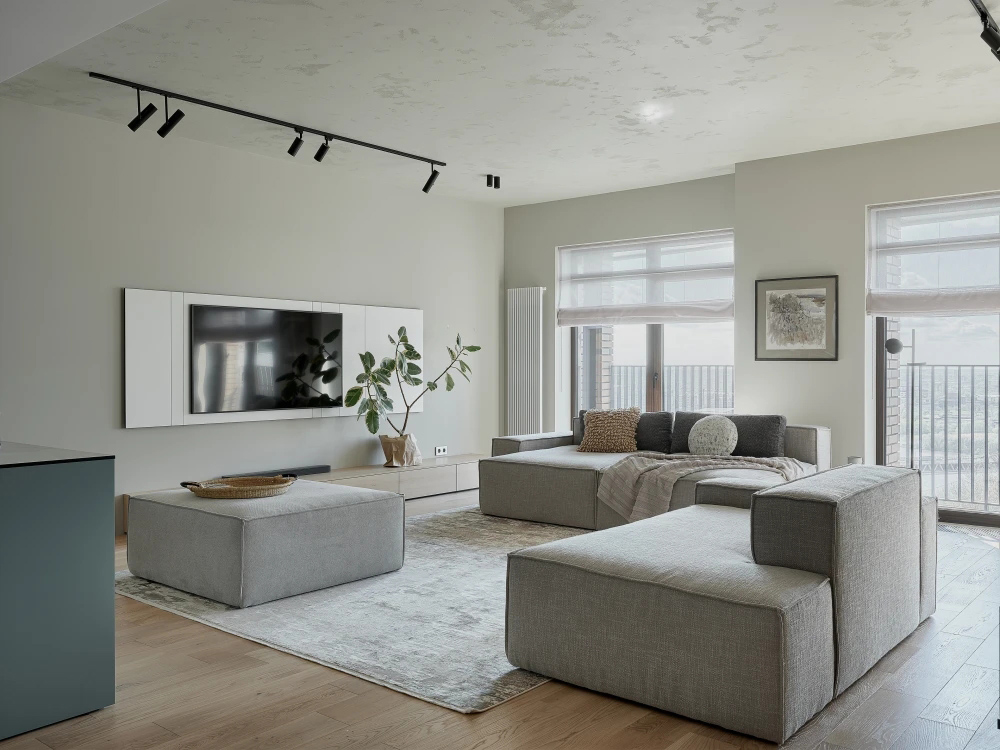
The best renter friendly apartment makeover ideas focus on reversible, high-impact changes: oversized rugs, plug-in lighting, curtains, peel-and-stick finishes, freestanding storage, flexible furniture, and plants. Use an AI room preview before buying so each upgrade improves layout, mood, and function without painting, drilling, rewiring, or risking your deposit.
Key Takeaways
- Start with reversible changes that affect the whole room before buying small decor.
- Use AI previews to test scale, palette, lighting, and traffic flow before purchases.
- Rugs, curtains, plug-in lighting, and removable finishes create the biggest visual shift.
- Freestanding storage and multifunctional furniture make small apartments feel intentional.
- Biophilic accents and warm minimalist textures update a rental without permanent work.
- Always check lease rules before using adhesive products, heavy furniture anchors, or fixture swaps.
What Makes an Apartment Makeover Renter Friendly?
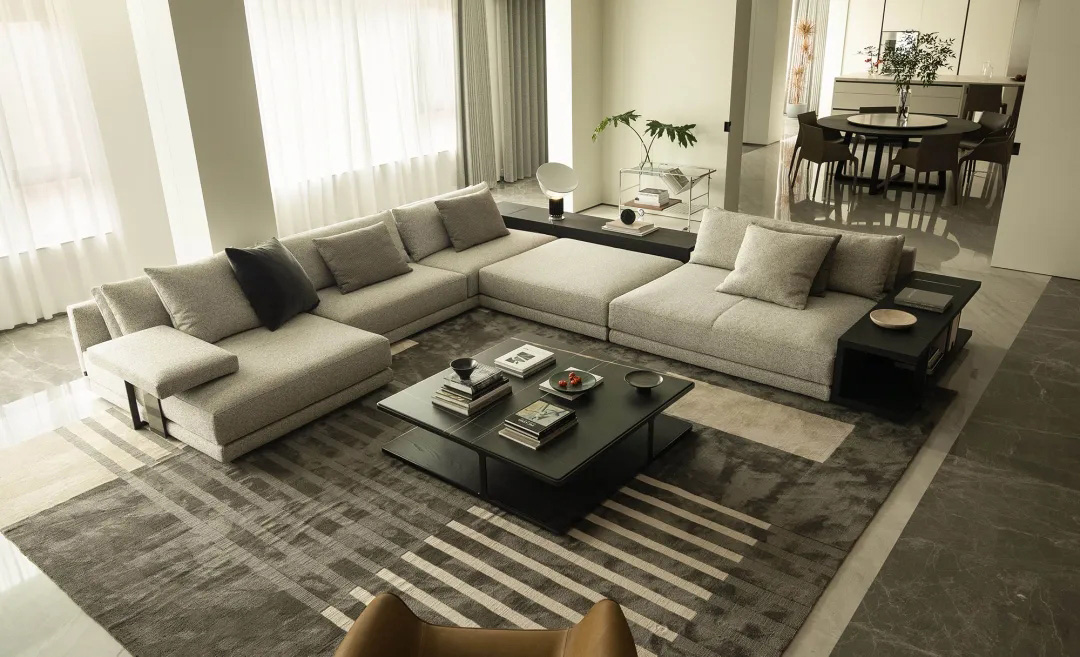
A renter friendly apartment makeover is reversible, deposit-conscious, and realistic about what a lease allows. The goal is not to disguise every rental feature. It is to make the apartment feel intentional while leaving the walls, floors, plumbing, and electrical systems easy to restore at move-out.
- High-impact first: Cover more floor area with a correctly sized rug, add curtains, improve lamps, and solve visible storage friction.
- Low-risk surfaces: Use peel-and-stick only where the product is rated for the surface, then test a hidden spot before committing.
- Permission items: Ask before swapping fixtures, adding heavy anchors, changing blinds, mounting shelves, or touching anything electrical or plumbing-related.
This approach works because the biggest visual problems in rentals are often scale, lighting, and clutter, not the apartment itself. A sofa that floats on too-small a rug looks temporary; a larger rug, better lamp height, and a consistent palette can make the same room feel designed.
Plan the Makeover Before You Buy
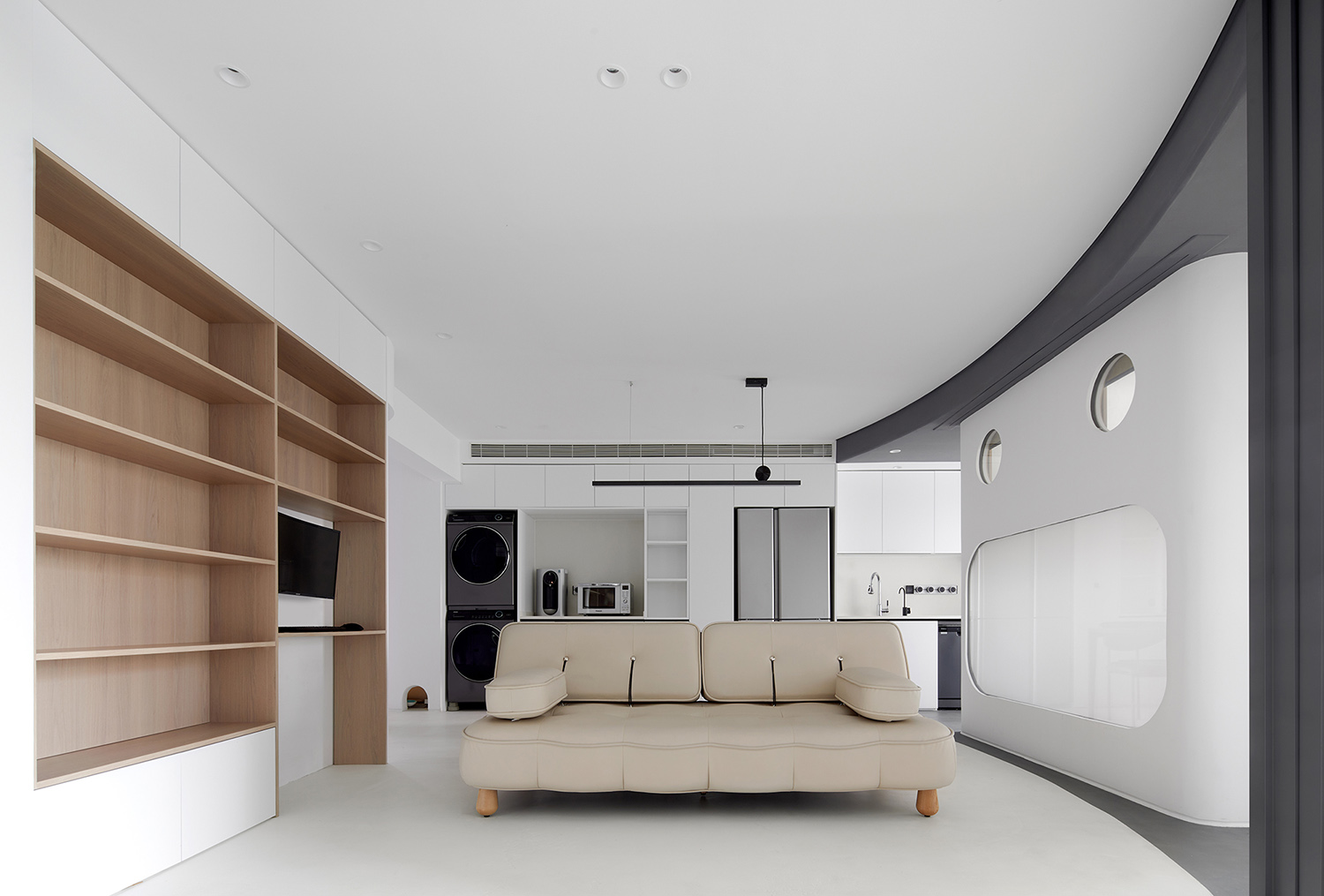
Before buying anything, build a small planning kit: room photos, measurements, lease notes, and a short list of daily frustrations. A practical starter budget might be $250 to $800 for one main room, depending on rug size, lighting, and storage needs. The planning step prevents expensive mistakes, especially in small apartments where one wrong scale can block a walkway.
- Step 1: Photograph each room in daylight and at night so AI previews capture layout problems and lighting gaps.
- Step 2: Measure walls, windows, door swings, existing furniture, and walkway clearances in inches or feet.
- Step 3: Test two or three directions, such as warm minimalist, biophilic, or quiet luxury, before choosing products.
- Step 4: Prioritize the changes with the biggest room impact: rug scale, lighting layers, storage, seating layout, and removable finishes.
- Step 5: Save receipts, product specs, lease notes, permission emails, and removal instructions for move-out.
Use Feel Design Explore to compare visual directions from a room photo, then treat the result as a guide rather than a shopping order. Measurements and lease rules still decide what belongs in the final plan.
Upgrade the Living Room With Rugs, Curtains, and Lighting
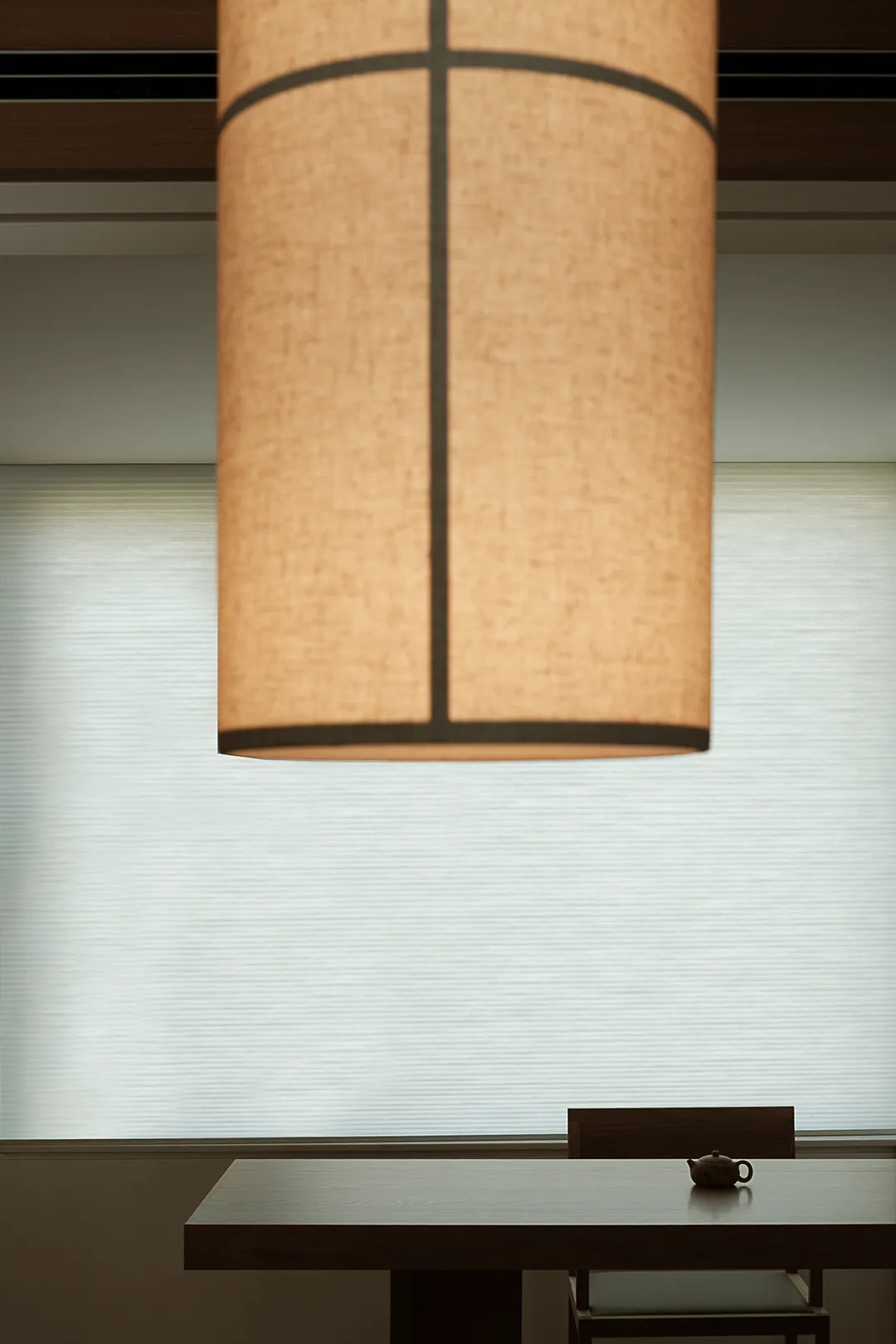
The living room usually gives renters the fastest visible payoff because it has large surfaces and flexible furniture. Start with the floor. A rug that reaches under the front legs of the sofa and chairs makes separate pieces read as one conversation zone. If the apartment has basic carpet, a flatweave or low-pile rug can still add color, texture, and a cleaner boundary.
| Rental Problem | Renter Friendly Fix | Why It Works |
|---|---|---|
| Harsh overhead light | Floor lamps, table lamps, smart bulbs, and plug-in sconces | Layered light makes the room feel warmer without rewiring. |
| Short or bare windows | Long curtains on tension, magnetic, or approved no-drill hardware | Fabric softens rental blinds and visually raises the ceiling. |
| Awkward media wall | Slim console, cord covers, art leaning on the console, and closed baskets | The wall looks finished without mounted cabinetry. |
Keep the palette tight: one main neutral, one wood tone, one metal finish, and one accent color. This restraint makes budget pieces look more deliberate and helps the room survive future moves.
Make Kitchens and Bathrooms Feel Custom Without Renovation
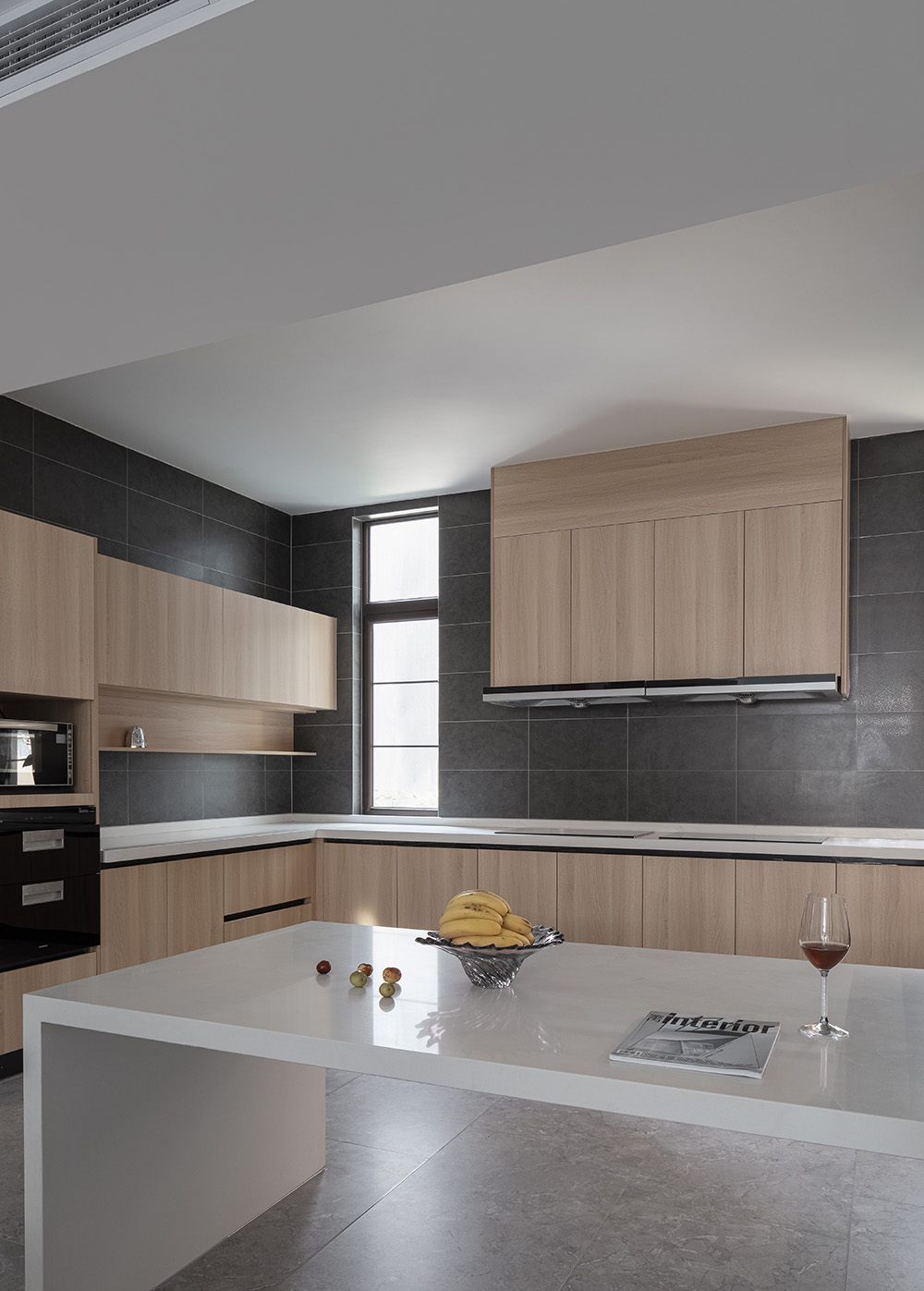
Kitchens and bathrooms need more caution because water, steam, and cleaning products can weaken adhesives. That does not mean these rooms have to stay bland. Focus on washable layers, removable accents, and better organization rather than simulated renovation.
- Kitchen: Try removable backsplash panels, a washable runner, countertop lamps where safe, matching canisters, a utensil rail with approved adhesive, and a freestanding island or cart.
- Bathroom: Upgrade the shower curtain, bath mat, towels, mirror lighting, covered storage, and freestanding shelves before applying anything to tile or painted walls.
- Adhesive rule: Test a hidden area, avoid freshly painted surfaces, keep removal instructions, and stop if the product pulls paint or finish.
The EPA's indoor air guidance is a useful reminder that products and materials used at home can affect indoor air quality. For rentals, that supports a practical habit: choose low-odor adhesives, ventilate during installation, let new items air out when possible, and avoid layering strong cleaners with peel-and-stick work.
Refresh Bedrooms With Wellness, Texture, and Better Light
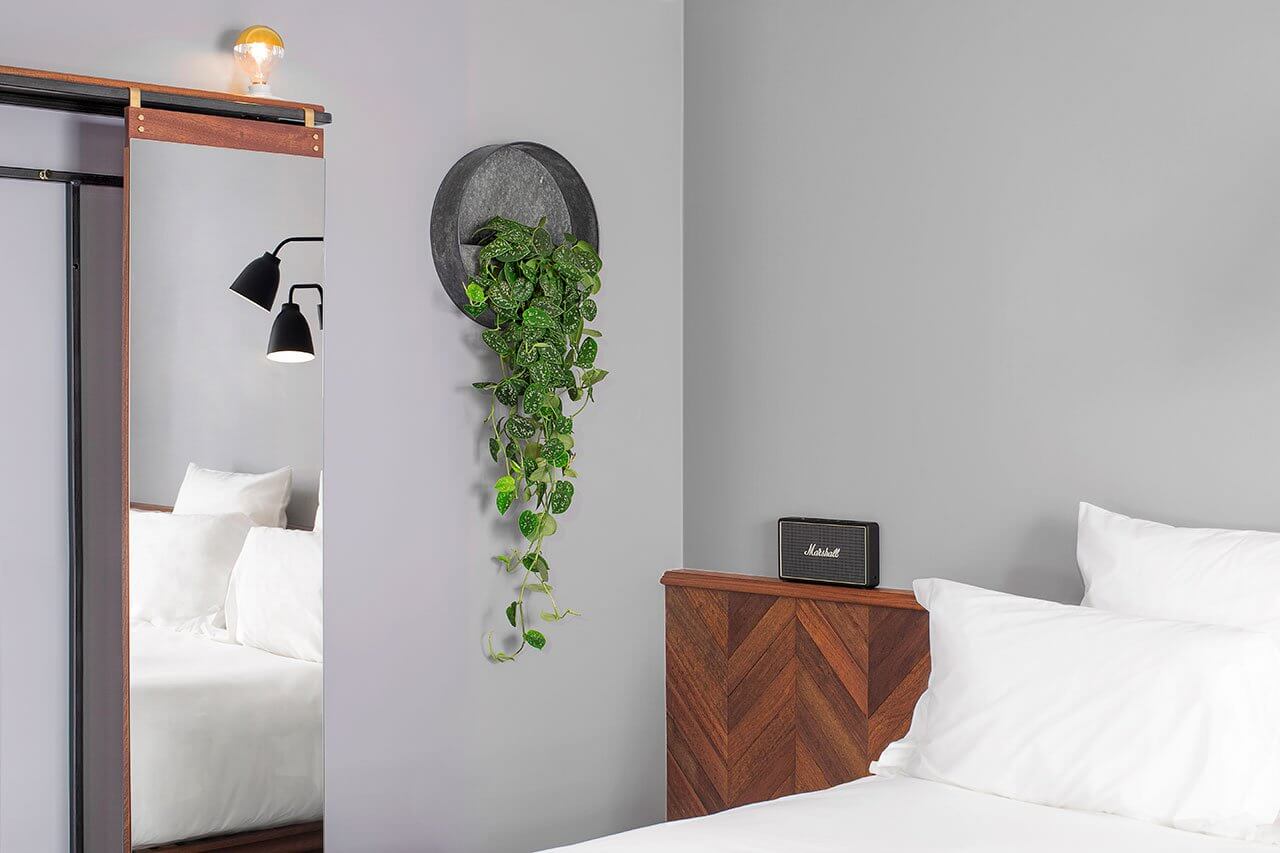
A renter bedroom makeover should support sleep first and style second. Start with light control: blackout curtains, warmer bulbs, and a bedside lamp that does not glare from above. Then make the bed feel layered with breathable sheets, a textured throw, two sleeping pillows, and a few decorative pillows that repeat colors from the rug or art.
ASID's 2026 Trends Outlook points to interiors shaped by wellness, technology, culture, and the built environment. Renters can translate that broad direction into practical choices without renovating: plants that match the room's light, natural fiber baskets, wood or woven textures, low-odor products, and a calm palette instead of trend overload.
- Place the bed where drawers and closet doors still open fully.
- Use under-bed bins, a storage bench, or a tall dresser before adding more small furniture.
- Lean a mirror or use approved hanging hardware to bounce light without drilling into a questionable wall.
- Choose plug-in sconces or clip lamps when nightstands are narrow.
The best small bedroom looks restful because every visible item has a job: sleep, storage, light, or texture.
Build Entry, Office, and Storage Zones That Move With You
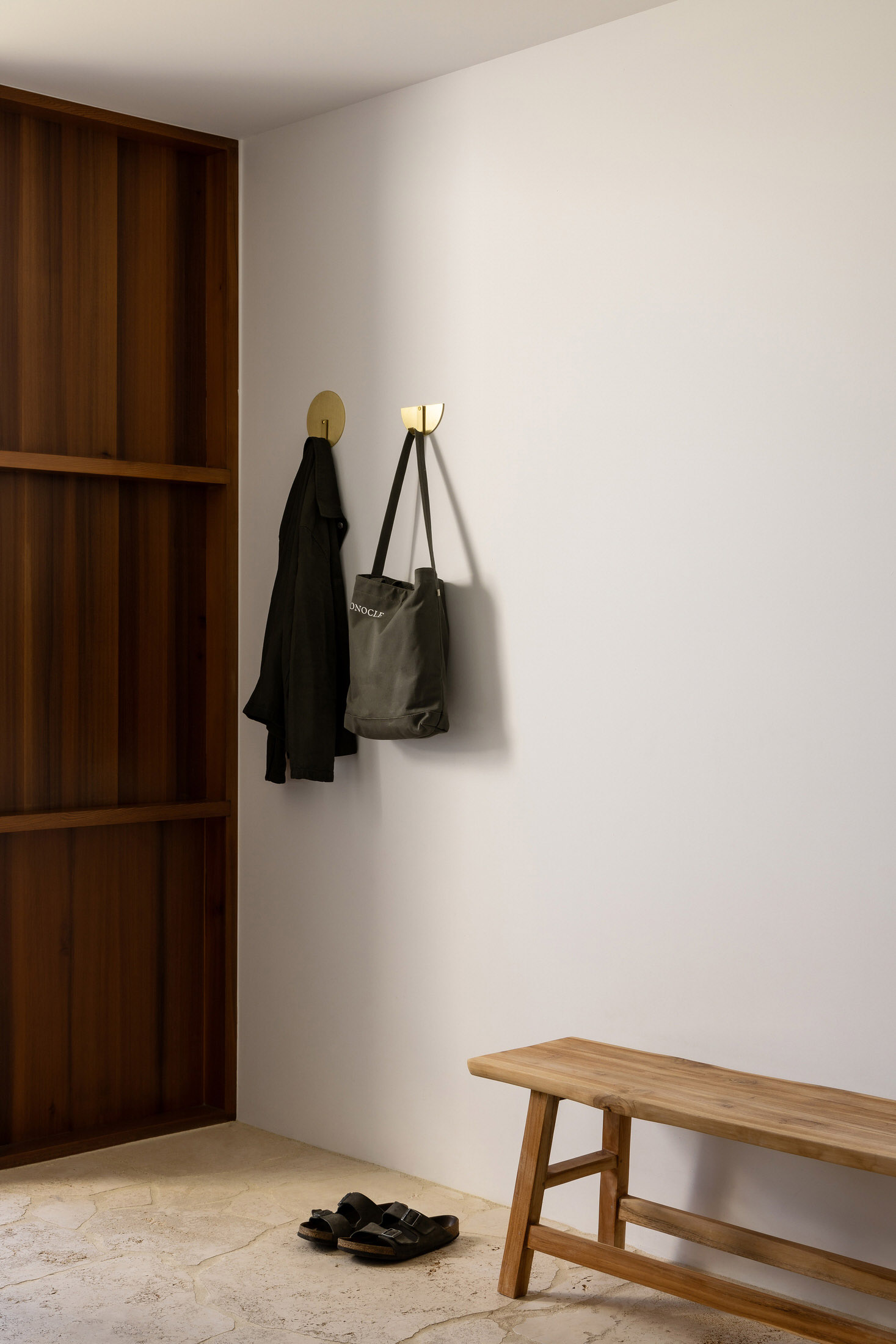
Small rentals feel more custom when each transition zone has a clear function. The entry needs a landing place for keys, shoes, bags, and mail. A narrow console, tray, shoe cabinet, basket, and approved hooks can create that routine without built-ins. If hooks are not allowed, use an over-door rack, a freestanding coat stand, or a bench with hidden storage.
| Zone | Moveable Pieces | Design Tip |
|---|---|---|
| Entry | Narrow console, tray, shoe cabinet, baskets | Keep the top mostly clear so the zone reads as intentional, not crowded. |
| Office | Small desk, task lamp, cable box, rolling file cart | Place work tools where they can close down visually after hours. |
| Storage | Freestanding wardrobe, bookcase, rolling cart, storage bench | Repeat finishes so separate pieces feel like a system. |
Before buying freestanding storage, preview the room from more than one angle. A unit that looks perfect straight on may block a door swing, crowd a walkway, or make the room feel taller on one side only.
FAQ
What is the easiest renter friendly apartment makeover idea?
Start with a larger rug, better lighting, and curtains that reach close to the floor. Those three changes make the room feel planned, hide basic rental finishes, and move with you later. They also avoid paint, drilling, wiring, and most lease concerns.
Can peel-and-stick products damage a rental apartment?
They can, especially on textured paint, older cabinets, porous surfaces, or humid bathroom walls. Test a hidden spot first, follow removal instructions, avoid freshly painted surfaces, and check the lease. If the product feels risky, use removable panels, rugs, or freestanding storage instead.
How can I make a rental apartment feel custom without painting?
Repeat a tight palette through rugs, curtains, pillows, art, lamps, storage baskets, and bedding. Then improve scale with larger textiles and layered lighting. A room feels custom when the pieces relate to each other, even if the walls and fixtures stay unchanged.
Is an AI room planner useful for renters?
Yes, especially before buying furniture, rugs, lighting, or removable finishes. AI previews help renters compare layouts, test color direction, and avoid scale mistakes. Treat the result as a planning guide, then verify measurements and lease rules before purchasing anything expensive.
Conclusion
A renter friendly makeover is less about hiding the apartment and more about making reversible choices in the right order. Start with scale, light, textiles, storage, and moisture-safe removable finishes, then add personality after the room works. Upload a room photo to Feel Design Explore, compare a few renter-safe directions, and choose upgrades that improve daily life before spending on decor or furniture.
References
- American Society of Interior Designers (2026). 2026 ASID Trends Outlook Report.
- U.S. Environmental Protection Agency (n.d.). Volatile Organic Compounds' Impact on Indoor Air Quality.