
Mediterranean Inspired Living Room: Bring Coastal Warmth Home
Quick Answer
A Mediterranean inspired living room features warm earth tones like terracotta, ochre, and sun-washed whites paired with natural materials such as wrought iron, terra cotta tile, and rustic wood. The style draws from Italian, Spanish, and Greek coastal homes, emphasizing textured walls, arched openings, and comfortable furniture that invites relaxation and conversation.
Key Takeaways
- Build your palette around warm earth tones—terracotta, golden yellow, olive green, and Mediterranean blue
- Incorporate natural textures through stucco walls, terra cotta floors, and handwoven textiles
- Choose furniture with curved lines and distressed finishes for authentic character
- Add wrought iron accents in light fixtures, mirrors, and decorative hardware
- Layer textiles generously—linen curtains, kilim rugs, and embroidered pillows
- Embrace imperfection—handcrafted items and aged materials add warmth
- Maximize natural light with minimal window treatments and reflective surfaces
What Defines Mediterranean Interior Design?
Mediterranean design originated from the coastal regions of Spain, Italy, Greece, and Morocco, where homes were built to stay cool in hot climates while celebrating indoor-outdoor living. According to the American Society of Interior Designers (ASID), Mediterranean style remains one of the most requested aesthetics among US homeowners seeking warmth and character.
The style is characterized by several signature elements:
- Architectural features: Arched doorways, exposed wooden beams, and textured plaster walls
- Color palette: Warm neutrals punctuated by deep blues, terracotta, and sun-bleached whites
- Materials: Natural stone, terra cotta, wrought iron, and reclaimed wood
- Atmosphere: Relaxed, welcoming, and designed for gathering

Unlike some design styles that feel museum-like, Mediterranean interiors prioritize comfort. Furniture is meant to be used, fabrics are meant to be touched, and spaces are meant for living—not just looking.
Curious how Mediterranean elements might look in your space? Upload a photo to Feel Design's Explore feature to visualize different style directions.
The Mediterranean Color Palette: Beyond Terracotta
While terracotta is the iconic Mediterranean color, a well-designed living room uses a nuanced palette that captures the essence of sun-soaked coastlines.
Primary Colors (Walls & Large Surfaces)
- Warm white with yellow undertones
- Soft terracotta or adobe
- Creamy limestone beige
- Warm sand or wheat
Secondary Colors (Furniture & Textiles)
- Deep olive green
- Burnt sienna
- Antique gold
- Warm chocolate brown
Accent Colors (Decorative Elements)
- Mediterranean blue (think Santorini doors)
- Cobalt or azure
- Turquoise
- Deep red or burgundy
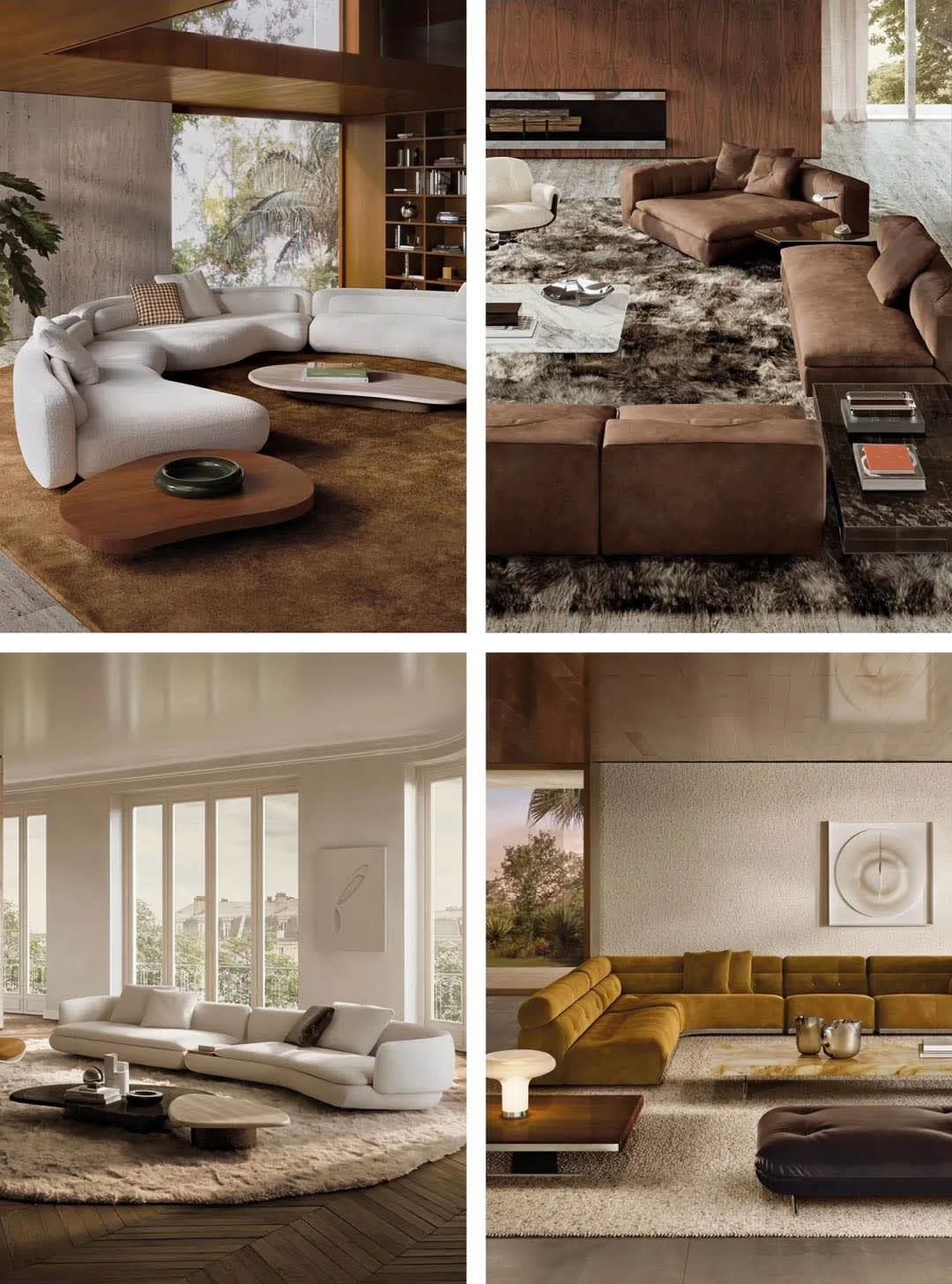
The key to Mediterranean color success is warmth. Every color should feel like it's been sun-kissed—avoid anything too cool, stark, or artificial.
Essential Materials and Textures
Texture is what separates an authentic Mediterranean room from a themed imitation. According to Architectural Digest, layering multiple natural textures creates the lived-in warmth that defines this style.
Must-Have Mediterranean Materials
| Material | Application | Budget Alternative |
|---|---|---|
| Terra cotta tile | Flooring, fireplace surrounds | Porcelain tile with terracotta finish |
| Natural stone | Accent walls, countertops | Stone-look porcelain or faux stone panels |
| Wrought iron | Light fixtures, furniture accents | Powder-coated steel with aged finish |
| Reclaimed wood | Ceiling beams, furniture | Faux wood beams, distressed pine |
| Plaster/stucco | Wall finishes | Venetian plaster paint technique |
| Handwoven textiles | Rugs, throws, cushions | Machine-made kilim-style rugs |

Texture Layering Tips
- Combine rough textures (stone, rustic wood) with smooth ones (polished leather, glazed ceramics)
- Mix matte finishes with occasional metallic accents
- Include at least three different textile textures in any seating area
- Let imperfections show—hand-plastered walls and aged finishes are features, not flaws
Furniture Selection for Mediterranean Living Rooms
Mediterranean furniture balances elegance with comfort. Look for pieces that feel substantial and well-crafted, with these characteristics:
Seating
- Sofas: Deep, comfortable designs with rolled arms; leather or linen upholstery in warm neutrals
- Armchairs: Curved silhouettes with carved wood details; consider cane or woven backs
- Ottomans: Leather poufs or upholstered footstools that double as extra seating
Tables
- Coffee tables: Heavy wood with carved details, or wrought iron with stone/tile tops
- Side tables: Mosaic tile tops, carved wood, or aged metal
- Console tables: Distressed wood with wrought iron hardware
Storage & Display
- Bookcases: Open wood shelving with arched tops
- Cabinets: Painted wood with iron hardware; distressed finishes welcome
- Display niches: Built-in alcoves for ceramics and collected objects
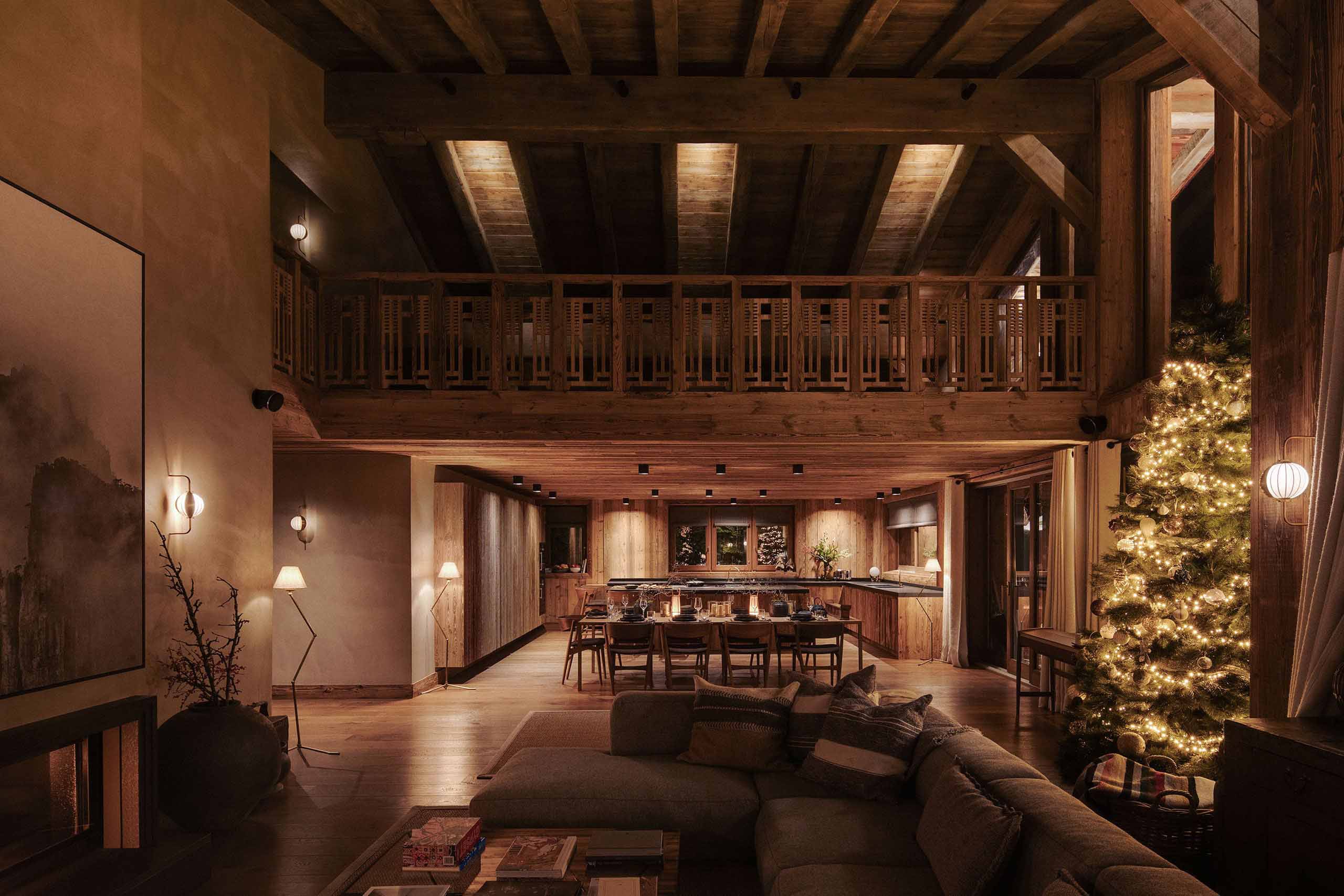
Browse Mediterranean-style furniture ideas in Feel Design's Explore gallery to find pieces that match your space and budget.
Lighting: Creating Mediterranean Ambiance
Lighting in Mediterranean design should feel warm, layered, and romantic. Avoid harsh overhead lighting in favor of multiple light sources at different levels.
Key Lighting Elements
- Chandeliers: Wrought iron with candle-style bulbs or lantern designs
- Wall sconces: Iron or bronze with warm-toned shades
- Table lamps: Ceramic bases in Mediterranean colors with linen shades
- Candle holders: Wrought iron candlesticks and lanterns for ambiance
Lighting Tips
- Use warm-toned bulbs (2700K-3000K) throughout
- Install dimmers on all overhead fixtures
- Place lamps at varying heights for visual interest
- Consider a statement chandelier as the room's focal point
- Use natural light whenever possible—keep window treatments minimal
Decorative Accessories: The Finishing Touches
Accessories bring personality to Mediterranean spaces. Focus on handcrafted, collected-over-time pieces rather than coordinated sets.
Essential Accessories
- Ceramics: Hand-painted pottery, glazed vases, decorative plates
- Textiles: Kilim rugs, embroidered pillows, woven throws
- Metalwork: Iron candle holders, decorative mirrors, wall art
- Plants: Olive trees, succulents, potted herbs, trailing vines
- Art: Landscape paintings, tile art, or antique maps
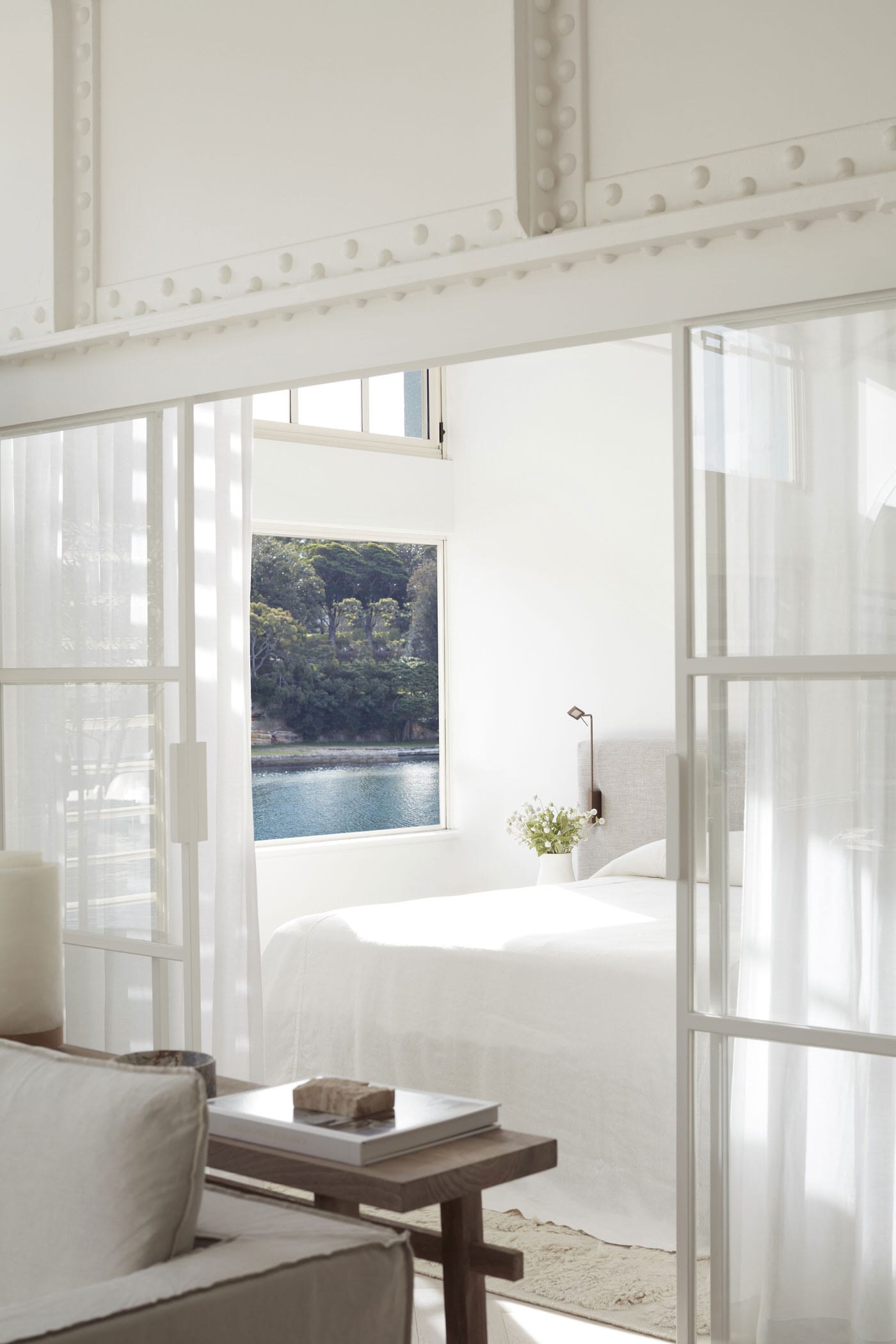
Styling Tips
- Group accessories in odd numbers (3s and 5s)
- Mix heights and shapes within each vignette
- Include at least one item with personal meaning or history
- Don't over-accessorize—Mediterranean style values breathing room
Mediterranean Design on a Budget
You don't need a villa renovation budget to achieve Mediterranean style. According to the National Association of Home Builders (NAHB), strategic updates can transform a space without major construction.
High-Impact, Low-Cost Updates
- Paint: A warm white or terracotta accent wall instantly shifts the mood ($50-150)
- Textiles: Swap existing pillows and throws for Mediterranean colors and textures ($100-300)
- Hardware: Replace cabinet and door hardware with wrought iron styles ($50-200)
- Lighting: Add one statement fixture in iron or aged bronze ($150-500)
- Accessories: Shop estate sales and thrift stores for ceramics and brass items ($50-200)
- Plants: Add an olive tree or large potted plant ($30-150)
Total budget transformation: $430-1,500
Frequently Asked Questions
What colors are used in Mediterranean interior design?
Mediterranean interiors feature warm earth tones including terracotta, ochre, warm white, olive green, and sun-bleached beige. Accent colors include Mediterranean blue, cobalt, turquoise, and deep red. All colors should feel warm and sun-kissed rather than cool or stark.
How do I make my living room look Mediterranean on a budget?
Start with paint—a warm terracotta accent wall or creamy white transforms the foundation. Add textiles in Mediterranean colors like kilim-style rugs and linen pillows. Replace hardware with wrought iron styles, add one statement light fixture, and incorporate hand-painted ceramics from thrift stores. Budget: $500-1,500.
What is the difference between Mediterranean and Tuscan style?
Tuscan style is a subset of Mediterranean design specific to the Tuscany region of Italy. It emphasizes warmer, earthier colors (more gold and brown), heavy dark wood furniture, and rustic Italian elements. Mediterranean style is broader, incorporating Spanish, Greek, and Moroccan influences with more blue accents and varied materials.
Can Mediterranean style work in a modern home?
Yes. Modern Mediterranean blends traditional warmth with contemporary clean lines. Keep architectural details minimal, choose streamlined furniture in Mediterranean materials, use the warm color palette sparingly, and focus on texture rather than ornate decoration. The result feels fresh yet inviting.
What flooring is best for Mediterranean style?
Traditional Mediterranean flooring includes terra cotta tile, natural stone (limestone, travertine), or wide-plank wood in warm tones. Budget alternatives include porcelain tiles with terracotta or stone finishes, luxury vinyl tile, or stained concrete with warm rugs layered on top.
Conclusion: Create Your Mediterranean Retreat
A Mediterranean inspired living room offers the best of both worlds: timeless elegance and genuine comfort. By focusing on warm colors, natural materials, and thoughtful layers of texture, you can transform any American living room into a sun-drenched retreat that feels like a permanent vacation.
The key is authenticity over perfection. Embrace handcrafted items, aged finishes, and collected-over-time accessories. Let your space tell a story of warmth, hospitality, and relaxed living.
Ready to visualize Mediterranean style in your home? Upload a photo to Feel Design's Explore feature to discover furniture, colors, and decor that bring coastal warmth to your space. Our AI-powered visual search helps you find pieces that capture Mediterranean magic—no passport required.
References
- American Society of Interior Designers (ASID) – 2026 Design Trends Report
- Architectural Digest – Mediterranean Style Guide
- National Association of Home Builders (NAHB) – Home Renovation Cost Survey