
Warm Minimalism Decor: How to Create Cozy, Clutter-Free Spaces
Quick Answer
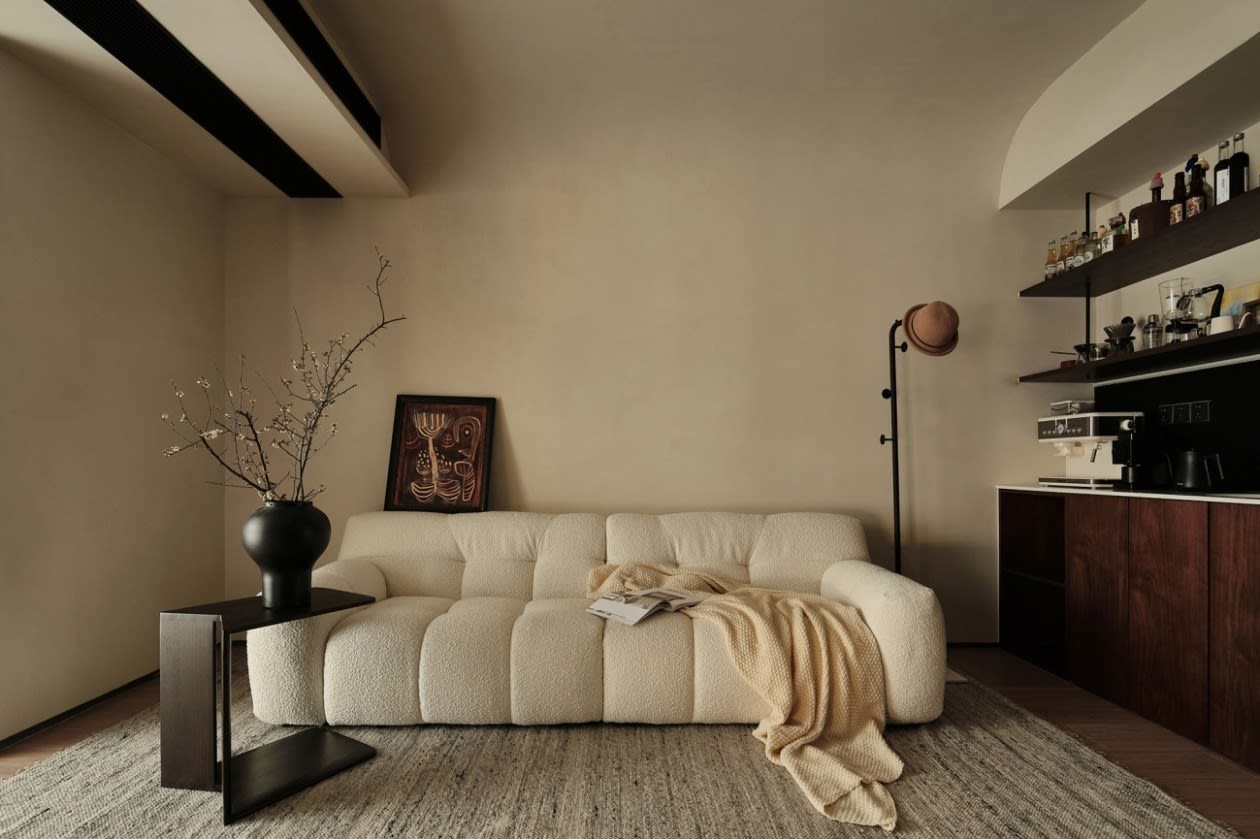
Warm minimalism combines the clean, uncluttered aesthetic of traditional minimalism with inviting natural textures, soft earth tones, and organic materials. Unlike cold minimalism's stark white spaces, warm minimalism uses beiges, taupes, terracotta, and wood tones to create rooms that feel both simplified and genuinely comfortable to live in.
Key Takeaways
- Layer natural textures like linen, wool, jute, and wood to add visual warmth without clutter
- Choose an earth-tone palette including warm whites, beige, taupe, terracotta, and olive
- Invest in quality over quantity—fewer, better-made pieces create lasting appeal
- Incorporate organic shapes through curved furniture and handcrafted accessories
- Maximize natural light with sheer window treatments and strategic mirror placement
- Add greenery thoughtfully—one statement plant beats multiple small ones
- Edit ruthlessly—if it doesn't serve a purpose or bring joy, remove it
What Is Warm Minimalism? Understanding the Design Philosophy
Warm minimalism emerged as a direct response to the cold, sterile aesthetics that dominated minimalist design in the 2010s. According to the American Society of Interior Designers (ASID), this approach represents the largest shift in residential design preferences since the farmhouse trend.
The philosophy centers on intentional living—keeping only what adds value to your daily life while ensuring those items contribute to a welcoming atmosphere. Unlike stark minimalism that can feel museum-like, warm minimalism prioritizes comfort alongside simplicity.
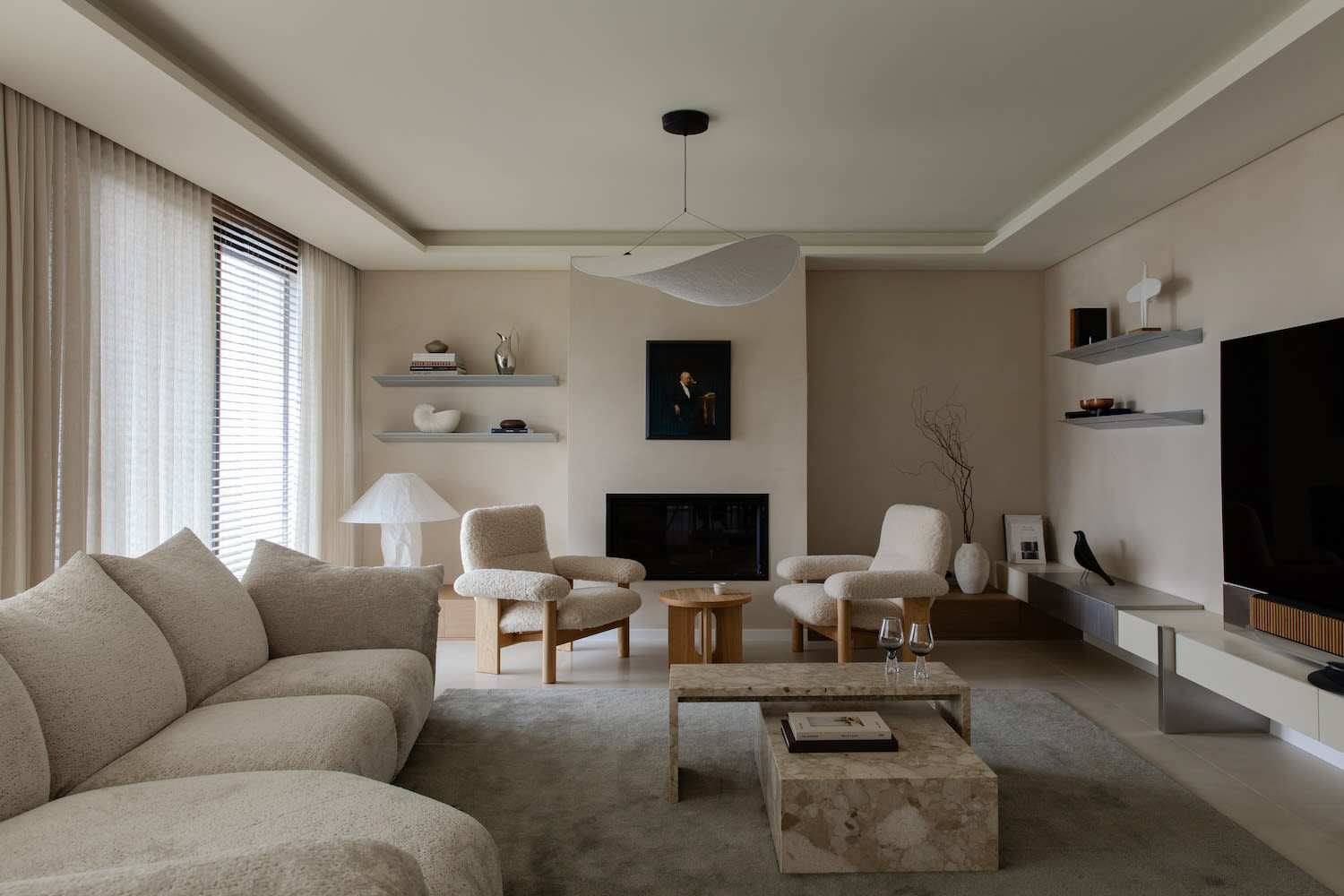
Key characteristics that distinguish warm minimalism include:
- Material focus: Natural materials like wood, stone, linen, and wool take center stage
- Color warmth: Cream replaces pure white; warm grays replace cool grays
- Texture layering: Multiple textures create visual interest without adding objects
- Organic forms: Curved silhouettes soften the linear nature of minimal design
Ready to explore warm minimalist spaces? Browse curated examples in Feel Design's Explore gallery to find inspiration that matches your vision.
The Warm Minimalism Color Palette: Beyond Beige
While beige serves as the foundation, a sophisticated warm minimalist palette extends far beyond a single neutral. Interior designers recommend building your palette in layers:
Base Colors (60% of your space)
- Warm white (with yellow or pink undertones)
- Creamy ivory
- Soft beige or greige
- Natural linen tones
Secondary Colors (30%)
- Taupe and mushroom
- Warm gray
- Soft terracotta
- Muted olive or sage
Accent Colors (10%)
- Rust or burnt sienna
- Deep chocolate brown
- Charcoal (sparingly)
- Muted mustard
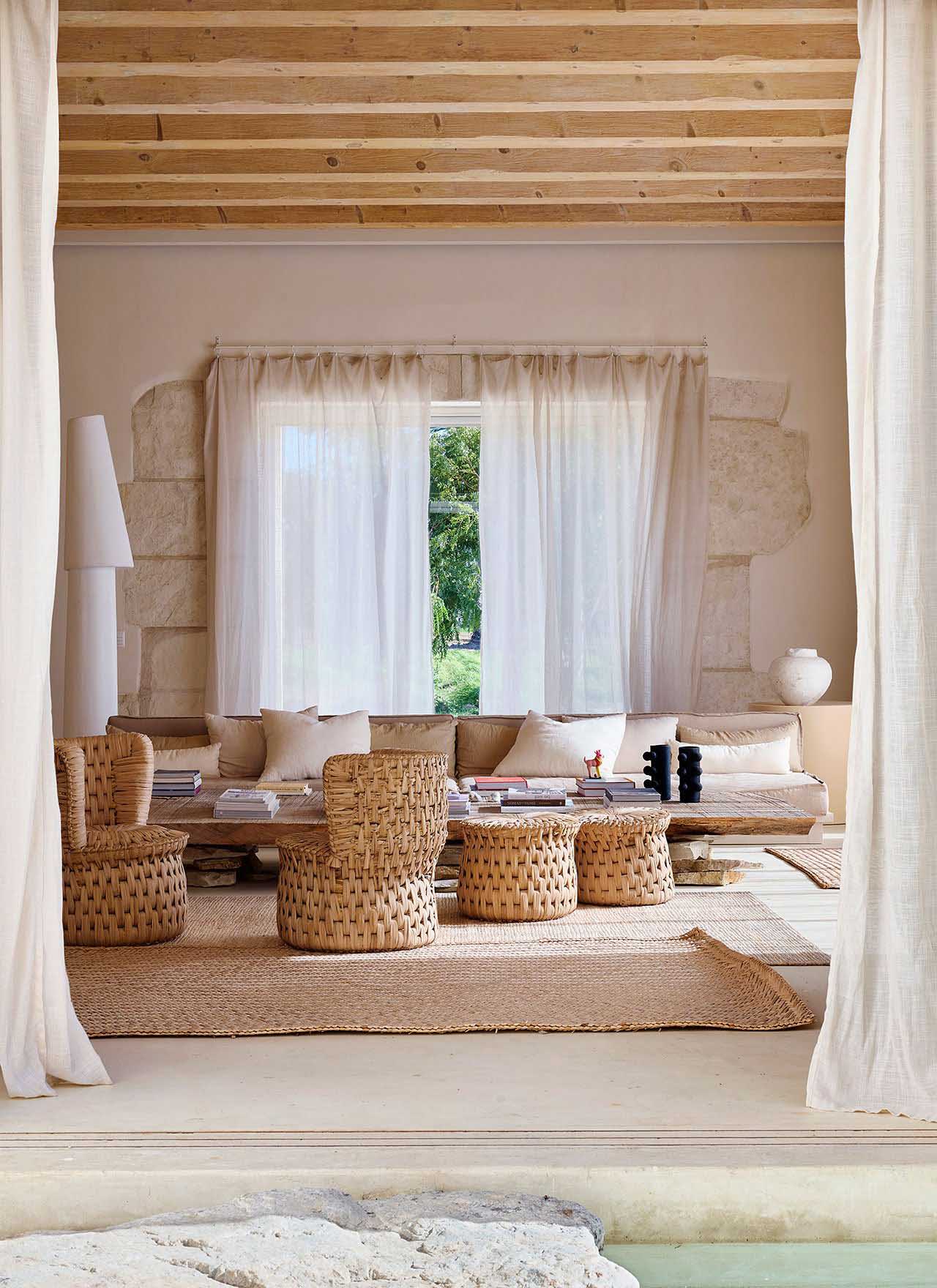
The key is maintaining tonal harmony—all colors should feel like they belong to the same family, creating a seamless flow throughout your home.
Essential Textures and Materials for Warm Minimalism
Texture does the heavy lifting in warm minimalist spaces. Since you're working with fewer objects, each material choice matters more. According to Architectural Digest, the most successful warm minimalist interiors layer at least four different textures.
Must-Have Natural Materials
| Material | Best Used For | Warmth Factor |
|---|---|---|
| White oak | Flooring, furniture | High |
| Linen | Upholstery, curtains, bedding | High |
| Wool/boucle | Throws, rugs, accent chairs | Very High |
| Jute/sisal | Area rugs, baskets | Medium-High |
| Travertine/limestone | Coffee tables, accents | Medium |
| Handmade ceramics | Vases, dishes, decor | High |
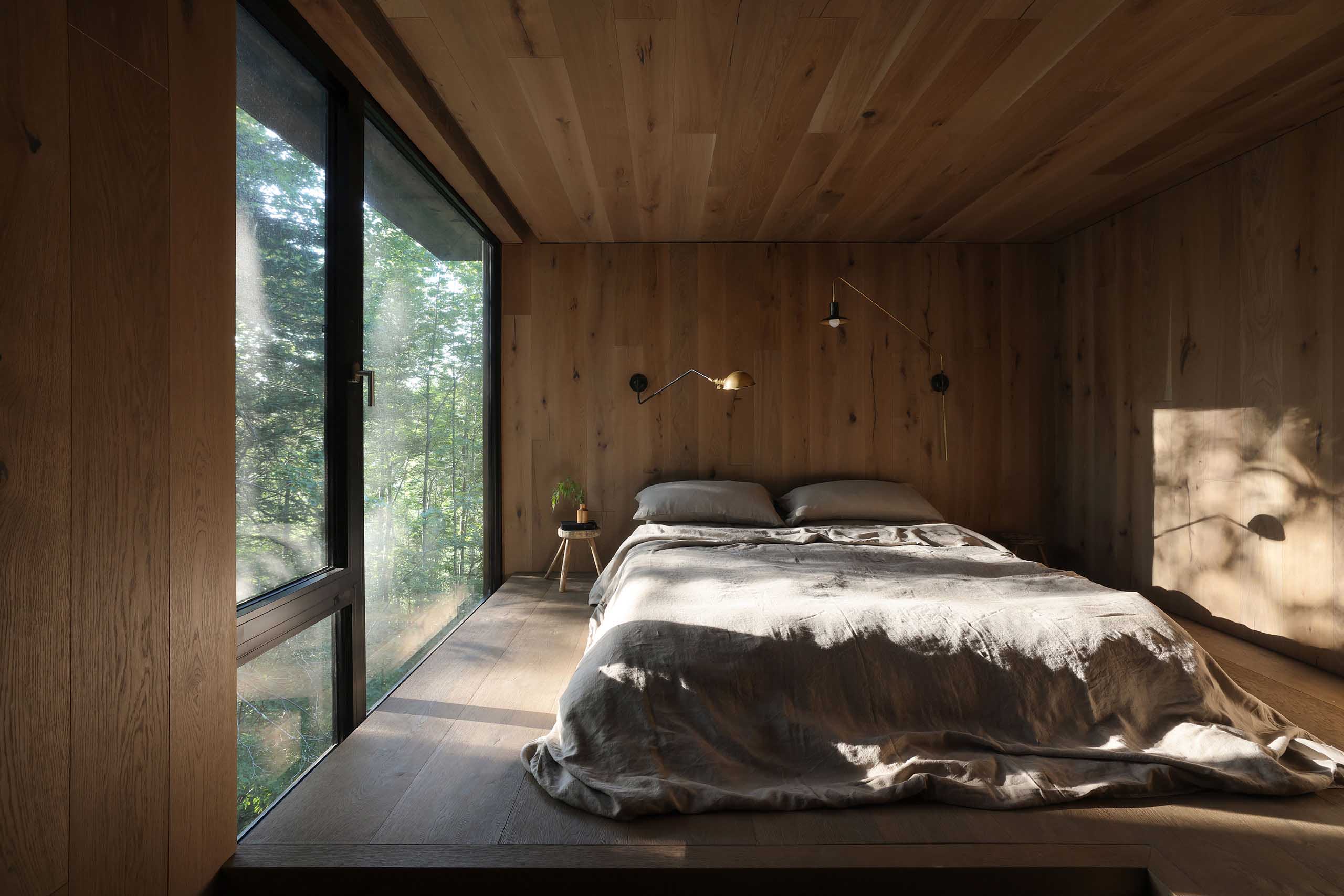
Upload a photo of your room to Feel Design's Explore feature to discover furniture and decor pieces that match the warm minimalist aesthetic.
Room-by-Room Warm Minimalism Guide
Living Room
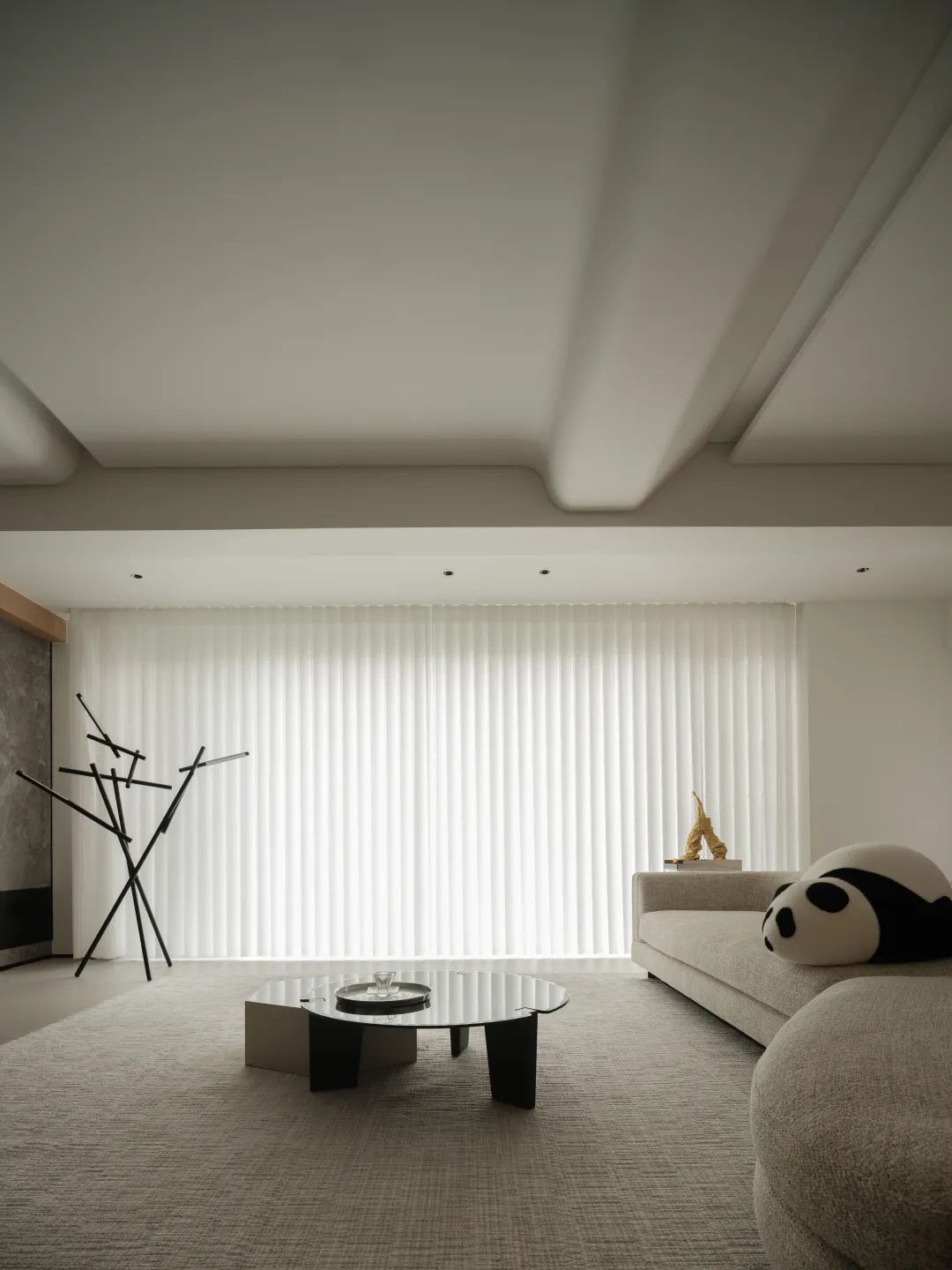
The living room is where warm minimalism shines brightest. Focus on:
- A single, high-quality sofa in a neutral linen or boucle fabric
- One statement coffee table in natural wood or stone
- Minimal but intentional artwork—one large piece over several small ones
- A natural fiber rug to anchor the seating area
- One or two substantial plants
Bedroom
Create a restful retreat with:
- Quality linen bedding in neutral tones
- A simple wood bed frame or upholstered headboard
- Minimal nightstands with essential items only
- Soft, layered lighting (no harsh overhead lights)
- Window treatments that filter light softly
Kitchen
Warm minimalist kitchens balance function with beauty:
- Wood or wood-toned cabinetry (avoid stark white)
- Open shelving for curated dishware
- Natural stone or butcher block countertops
- Concealed storage for appliances
- Pendant lighting in natural materials
Common Warm Minimalism Mistakes to Avoid
Even well-intentioned designers make these errors:
- Going too neutral: Without any contrast, rooms feel flat. Add depth with varied tones within your palette.
- Forgetting function: A beautiful room that doesn't work for your lifestyle will feel frustrating, not peaceful.
- Cheap natural look-alikes: Faux wood and synthetic materials undermine the organic quality warm minimalism depends on.
- Over-styling: The desire to achieve "that Instagram look" can lead to adding items that don't serve your actual life.
- Ignoring scale: Too many small items create visual clutter even if the count is low. Fewer, larger pieces work better.
Expert Tips: What Designers Actually Recommend in 2026
Leading interior designers share these insights for achieving warm minimalism:
"The best warm minimalist spaces feel collected over time, not decorated in a weekend. Mix vintage finds with new pieces for authenticity."
Current trends within warm minimalism include:
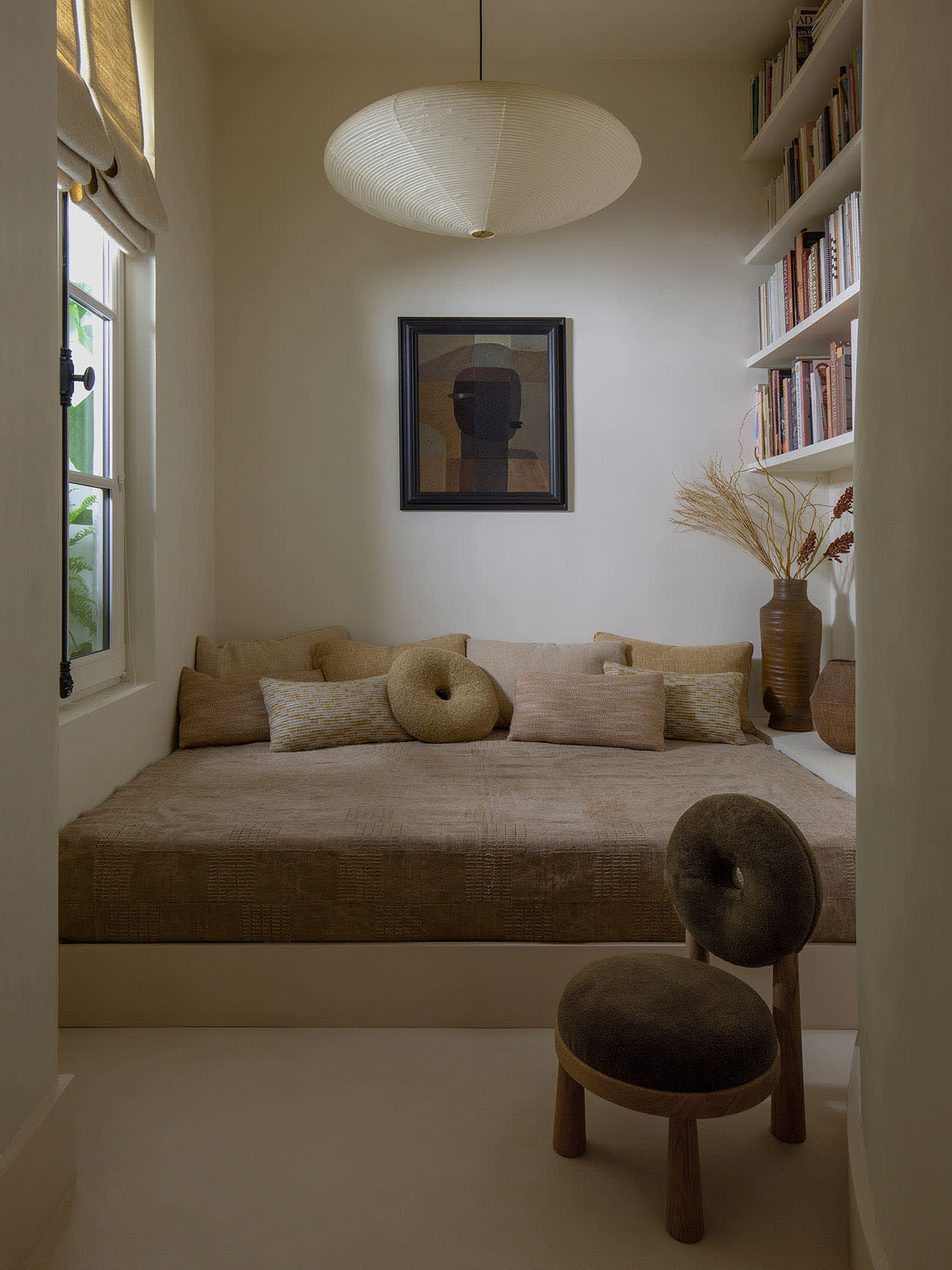
- Curved furniture: Rounded sofas and circular tables soften minimal spaces
- Artisanal touches: Handmade ceramics, woven textiles, and imperfect finishes
- Warm metals: Brass and bronze replace chrome and silver
- Statement lighting: Sculptural pendants as functional art
- Biophilic elements: Strategic greenery and natural views
Frequently Asked Questions
What is the difference between warm minimalism and cold minimalism?
Cold minimalism uses stark white, cool grays, and hard surfaces like concrete and metal, creating an austere aesthetic. Warm minimalism incorporates earth tones, natural textures like wood and linen, and organic shapes to achieve the same clutter-free look with a more inviting, livable feel.
How do I start transitioning to warm minimalism?
Begin by decluttering ruthlessly, keeping only items you love and use regularly. Then, introduce natural textures through textiles like linen throws and wool rugs. Gradually swap cool-toned items for warm neutrals, and invest in quality pieces made from natural materials.
Is warm minimalism expensive to achieve?
While warm minimalism emphasizes quality over quantity, it can be budget-friendly because you need fewer items. Prioritize spending on foundational pieces like sofas and rugs. Thrift stores and estate sales are excellent sources for vintage wood furniture and handmade ceramics.
Can warm minimalism work in small apartments?
Warm minimalism is ideal for small spaces. The reduced clutter makes rooms feel larger, while warm tones prevent small spaces from feeling cold or sterile. Focus on multi-functional furniture and vertical storage to maximize square footage.
How do I add color to warm minimalist decor?
Introduce color through muted, nature-inspired tones like terracotta, olive, rust, or dusty rose. Use the 60-30-10 rule: 60% base neutrals, 30% secondary earth tones, and 10% deeper accent colors. Artwork and textiles are low-commitment ways to experiment with color.
Conclusion: Start Your Warm Minimalism Journey
Warm minimalism offers the best of both worlds: the calm, organized feeling of minimal design with the comfort and coziness of a well-loved home. By focusing on natural materials, earth-tone palettes, and intentional curation, you can create spaces that feel both refined and genuinely inviting.
Ready to visualize warm minimalism in your own space? Upload a photo to Feel Design's Explore feature to discover furniture, colors, and layouts that bring this aesthetic to life in your home. Our AI-powered visual search helps you find pieces that match your vision—no endless scrolling required.
References
- American Society of Interior Designers (ASID) – Interior Design Trends Report 2026
- Architectural Digest – The Rise of Warm Minimalism
- National Association of Home Builders (NAHB) – Homeowner Design Preferences Survey